
respuesta rápida
October is the safest month to cross Thorong La Pass at 5,416 metres in 2027. October has stable high-pressure weather, low snowpack, light wind, and 80 percent clear-sky odds. November is the second safest. April is the third. December to March closes the pass with snow. Avoid August for monsoon fog and January for minus 20 Celsius wind chill.
Desglose detallado
Thorong La at 5,416 metres is the highest pass crossing on a commercial Nepal teahouse trek. The pass links Manang in the east to Muktinath in the Kali Gandaki valley in the west, on the Annapurna Circuit. The crossing day starts at Thorong Phedi at 4,525 metres or High Camp at 4,880 metres, climbs 600 to 900 metres to the pass, and descends 1,600 metres to Muktinath at 3,800 metres.
October has the best weather window. The monsoon ends in late September, snowpack is at its annual minimum, and high-pressure systems sit over the Tibetan plateau. Wind on the pass averages 15 to 25 kilometres per hour. Morning visibility is 80 to 100 kilometres. Daytime temperature at the pass is minus 5 to plus 5 Celsius.
November is similar but colder. Daytime temperature drops to minus 10 Celsius and snow risk rises by late November. December to March closes the pass with 1 to 3 metres of snow. April reopens the pass with fresh snow melt and afternoon clouds. May is acceptable but increasingly cloudy.
August is the worst month. Monsoon fog on the Manang side obscures the route above 4,500 metres, and 4 to 6 trekkers per year are rescued from the pass in whiteout conditions.
Desglose de costo/componente
| parte | Octubre 2027 | noviembre 2027 | abril 2027 |
|---|---|---|---|
| Pass open | sí | sí | sí |
| Clear-sky odds | 80 por ciento | 70 por ciento | 60 por ciento |
| Daytime pass temp | Minus 5 to plus 5 C | Minus 10 to 0 C | Minus 5 to plus 5 C |
| Snow risk | deficiente | Low to moderate | Moderado |
| Wind | 15 to 25 km/h | 20 to 30 km/h | 15 to 25 km/h |
| Lodge availability | Book 4 weeks ahead | Book 2 weeks ahead | gacela |
| Trekker traffic | alto | Moderado | Low to moderate |
| Total Circuit cost | $800 to $1,300 | $750 to $1,200 | $700 a $1,150 |
que afecta la respuesta
Acclimatisation is the first factor. The 5,416 metre pass requires 8 to 9 days of ascent from Besisahar. Trekkers who rush Manang in 4 days risk acute mountain sickness on the pass. Plan 2 rest days in Manang at 3,520 metres.
Snowpack is the second factor. October has the lowest snowpack after the monsoon melts. November adds fresh snow risk. April has fresh snow from winter still melting.
Lodge booking is the third factor. October fills Thorong Phedi and High Camp 4 weeks ahead. November fills them 2 weeks ahead. April is walk-in.
Consejos de reserva
Book Thorong Phedi and High Camp lodges 4 weeks ahead for October. The 4 lodges hold 80 trekkers total and turn people away nightly.
Use a Kathmandu or Pokhara operator with 5-plus years of Thorong La experience. Ask about snow closure backup plans. Operators should have an alternate day or route if the pass closes.
Check the forecast at the Manang ACAP office 2 days before the pass. ACAP posts daily weather and snow updates from October to November.
Comparación con alternativas
Compared with the Larkya La pass on Manaslu Circuit, Thorong La is 310 metres higher but more reliable. Larkya La sees more fresh snow in October. Thorong La has better infrastructure with lodges at the base on both sides.
Compared with the Kang La on Nar Phu at 5,320 metres, Thorong La is 96 metres higher but sees 5 times the traffic. Kang La has no lodges at the base and requires a long day from Phu to Ngawal.
Errores comunes a evitar
Crossing in early December. Snow closes the pass without warning in early December most years. Last safe crossing is typically November 25.
Crossing in fresh snow without a guide. The pass has no trail markers above 5,000 metres and route-finding is hard in snow. Hire a guide at Thorong Phedi for $40 if snow is forecast.
Skipping the Manang acclimatisation day. The 600 to 900 metre ascent from Thorong Phedi to the pass is dangerous without prior acclimatisation. Plan 2 nights in Manang and 1 at Thorong Phedi.
preguntasrán el
What is the safest month to cross Thorong La Pass?
October. The monsoon has ended, snowpack is low, wind is light, and clear-sky odds are 80 percent. November is the second safest.
Is November safe for Thorong La?
Yes, until about November 25. Late November adds fresh snow risk and daytime temperatures drop to minus 10 Celsius. Book lodges 2 weeks ahead.
¿Puedo cruzar Thorong LA en invierno?
No. December to March closes the pass with 1 to 3 metres of snow. Some trekkers attempt it in late March but most turn back.
What is the worst month for Thorong La?
August. Monsoon fog on the Manang side causes whiteout conditions above 4,500 metres. January is also bad with minus 20 Celsius wind chill.
How cold is the Thorong La crossing in October?
Minus 5 to plus 5 Celsius at the pass during the day. Trekkers start at 4 am and reach the pass by 9 am. Bring a down jacket, wind shell, and warm gloves.
sumario
October is the safest month to cross Thorong La Pass at 5,416 metres in 2027. November is second, April is third. December to March closes the pass with snow. Book Thorong Phedi and High Camp lodges 4 weeks ahead for October.
idea de narración
For 2027, plan the Thorong La crossing in October for the safest weather window. Plan 2 acclimatisation nights in Manang and 1 at Thorong Phedi, book base lodges 4 weeks ahead, and check the ACAP forecast 2 days before the pass. Avoid August for monsoon fog and December to March for snow closures.
Paquetes de Trek Recomendados
Lugares de trekking para explorar
Explore Trips in Nepal
Hand-picked guided trips to this destination
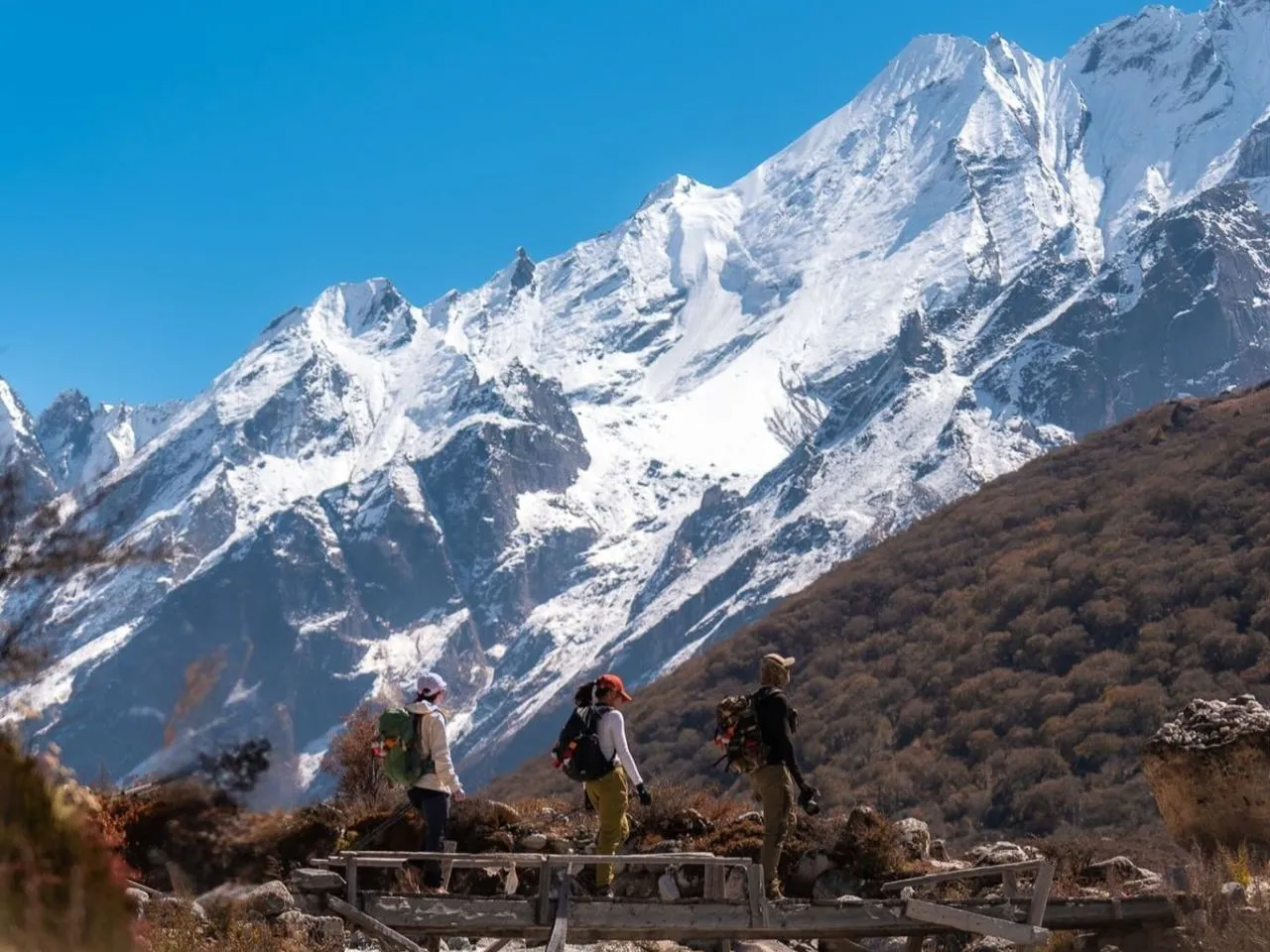
Trek de Lujo Langtang – 10 días
Trek de Lujo Langtang – 10 días
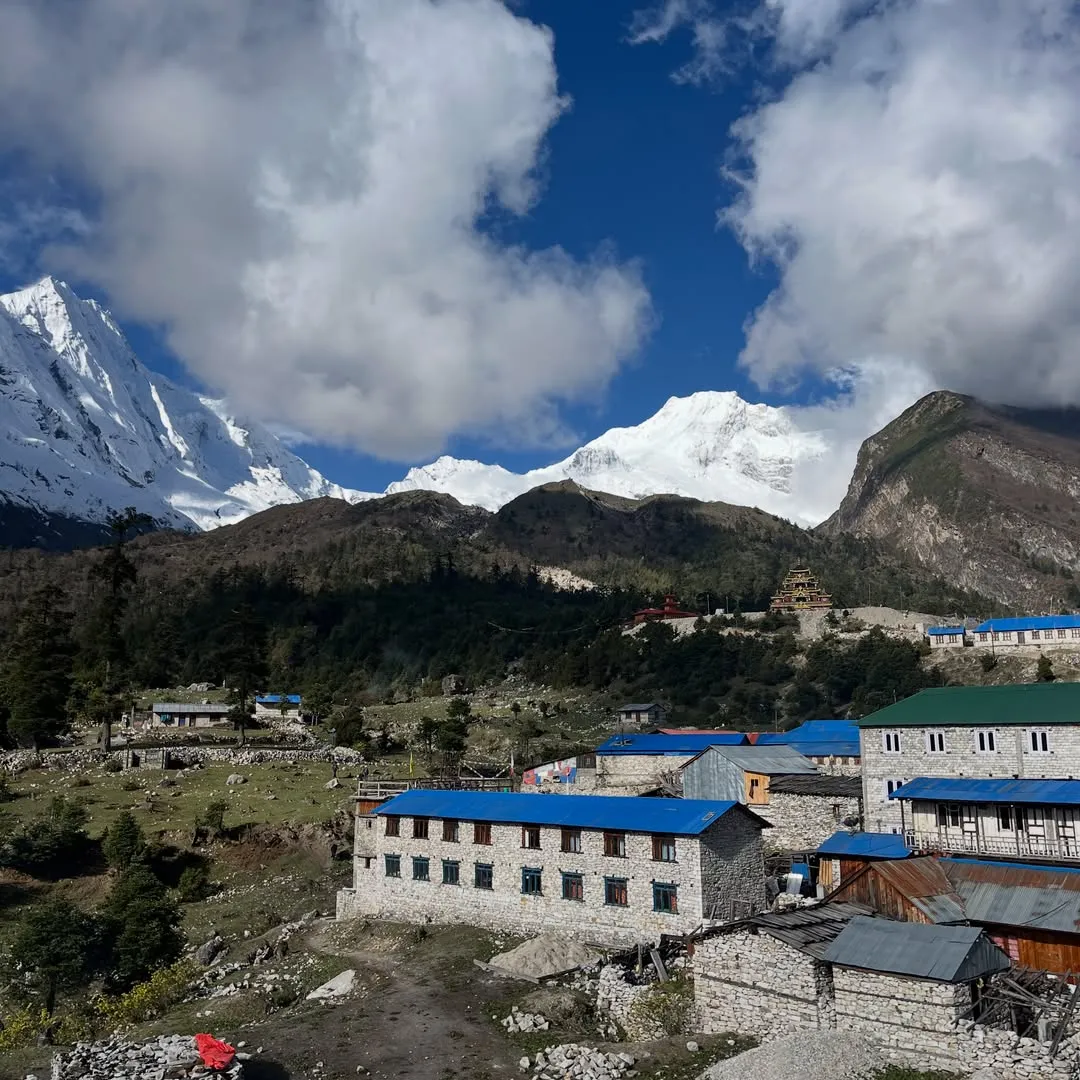
Trek Familiar Manaslu – 12 días
Trek Familiar Manaslu – 12 días
Trek de Lujo Manaslu – 14 días
Trek de Lujo Manaslu – 14 días

Trekking Manaslu - 17 días
Trekking Manaslu - 17 días
 English
 Deutsch
 Svenska
 Dansk
Dansk Русский
 Français
 Português
 Español
 Polski
 简体中文
简体中文 日本語
日本語 ไทย
ไทย العربية
 한국어
한국어