
schnelle Antwort
The Tsum Valley differs from other Nepal trekking routes through 6 cultural markers. The Tsumba people speak a Tibetan dialect and practice Tibetan Buddhism with Bon religion elements predating the 7th century. Polyandry persists in 8 to 12 percent of households. The valley has been a meat free zone since 1920 when local lamas banned animal slaughter. Mu Gompa at 3,700 m houses 80 monks and dates to 1895. The valley was a restricted area until 2008 and sees 600 to 900 trekkers per year versus 35,000 plus on the Annapurna Circuit.
Detaillierte Aufschlüsselung
The Tsum Valley sits in northern Gorkha district bordering Tibet on the north and east. The 1,500 to 2,000 Tsumba inhabitants speak Tsumke, a Tibetan dialect closer to central Tibetan than to standard Nepali. The valley opened to foreign trekkers in 2008 after decades of restricted area status. The 12 to 16 day trek starts at Soti Khola at 730 m and follows the Budhi Gandaki river north to Mu Gompa at 3,700 m. The route crosses 4 Buddhist gateways or chorten at Lokpa, Chhokangparo, Chhule, and Nile.
The Tsumba practice the Nyingma school of Tibetan Buddhism with significant Bon elements. Bon predates Buddhism in Tibet and includes sky burial, nature worship, and shamanic healing. Animal slaughter was banned in 1920 by the local lama of Mu Gompa, making the valley a meat free zone. Trekkers cannot bring meat above Lokpa at 2,240 m. Polyandry persists in 8 to 12 percent of households, with brothers sharing a single wife to keep land holdings intact. Mu Gompa at 3,700 m was founded in 1895 and houses 80 monks. Rachen Gompa at 3,240 m houses 70 nuns. The valley sees 600 to 900 trekkers per year versus 35,000 plus on the Annapurna Circuit.
Kosten-/Komponentenaufschlüsselung
| Komponente | Detail | kosten USD |
|---|---|---|
| Genehmigung für das Sperrgebiet von Manaslu | Required for 7 days | $70 |
| Tsum Valley Sperrgebietsgenehmigung | Additional permit | $35 |
| Genehmigung des Manaslu-Erhaltungsgebiets | erforderlich | $30 |
| TIMS-Karte | erforderlich | $20 |
| 14 day guided trek | Camping plus teahouse | $1,400 bis $2,200 |
| Licensed guide daily | obligatorisch | $25 bis $35 |
| Donation to Mu Gompa | optional | $5 to $20 |
Was beeinflusst die Antwort
Restricted area status is the biggest factor. Tsum was closed to foreigners from 1950 to 2008, preserving language, religion, and marriage customs that disappeared elsewhere in Nepal. The annual trekker count of 600 to 900 versus 35,000 plus on Annapurna keeps the valley culturally intact. Geography is the second factor. The valley is bordered by the 5,106 m Ganesh Himal to the south and the 7,422 m Sringi Himal to the west. Only 2 trails enter the valley, both above 2,200 m.
Religious history is the third factor. Milarepa, the 11th century Tibetan yogi, meditated in the caves of Tsum for 6 years. The Bon religion predates the 7th century Buddhist conversion and persists in 30 to 40 percent of Tsumba rituals. Meat free zone is the fourth factor. The 1920 ban covers all animal slaughter above Lokpa.
Buchungstipps
Book the 14 to 16 day Tsum Valley Trek for October 10 to November 20 for clear mornings. Submit passport copies 6 to 8 weeks ahead for the 3 restricted area permits. Hire a Tsumba speaking guide from Arughat for USD 35 to USD 50 per day because the local dialect differs from standard Nepali. Carry USD 100 to USD 200 cash for monastery donations.
Vergleich mit Alternativen
The Upper Mustang Trek offers similar Tibetan Buddhist culture but sees 2,500 to 4,000 trekkers per year and costs USD 500 for the 10 day restricted area permit. The Upper Dolpo Trek sees 600 to 900 trekkers per year and offers pre Buddhist Bon religion but requires 18 to 24 days. The Langtang Valley Trek sees 8,000 to 12,000 trekkers per year and offers Tamang culture but lacks the deep Tibetan Buddhist tradition of Tsum.
Häufige Fehler zu vermeiden
Trekkers often bring meat above Lokpa. The 1920 meat free ban is enforced at the Lokpa checkpoint and violations result in USD 50 to USD 100 fines and confiscation.
A second mistake is photographing monks and nuns without permission at Mu Gompa and Rachen Gompa. Request permission through your guide.
FAQ
What makes the Tsum Valley culturally different from other Nepal trekking routes? Six markers: Tsumba people speak a Tibetan dialect, practice Tibetan Buddhism with Bon elements, maintain polyandry in 8 to 12 percent of households, ban animal slaughter since 1920, house 80 monks at Mu Gompa, and see only 600 to 900 trekkers per year.
What religion do the Tsumba practice? The Nyingma school of Tibetan Buddhism with Bon elements. Bon predates Buddhism in Tibet and includes sky burial, nature worship, and shamanic healing.
Why is Tsum a meat free zone? Local lamas banned animal slaughter in 1920 to align with Buddhist non violence principles. The ban covers all animal slaughter above Lokpa at 2,240 m. Eggs and dairy are permitted.
How many monks and nuns live in Tsum gompas? 80 monks at Mu Gompa at 3,700 m founded in 1895. 70 nuns at Rachen Gompa at 3,240 m founded in 1936.
Zusammenfassung
The Tsum Valley differs through Tsumba Tibetan dialect, Nyingma Buddhism with Bon elements, polyandry in 8 to 12 percent of households, meat free zone since 1920, Mu Gompa with 80 monks, and 600 to 900 trekkers per year. Permits cost USD 155 per person for the 14 to 16 day trek.
Schluss
Choose the Tsum Valley Trek for the deepest Tibetan Buddhist culture in Nepal combined with the lowest trekker counts of any major route. Respect the meat free zone above Lokpa. Hire a Tsumba speaking guide. Carry USD 100 to USD 200 for monastery donations. Book October 10 to November 20 for clear weather.
Empfohlene Trek-Pakete
Trekking-Orte zum Erkunden
Explore Trips in Nepal
Hand-picked guided trips to this destination
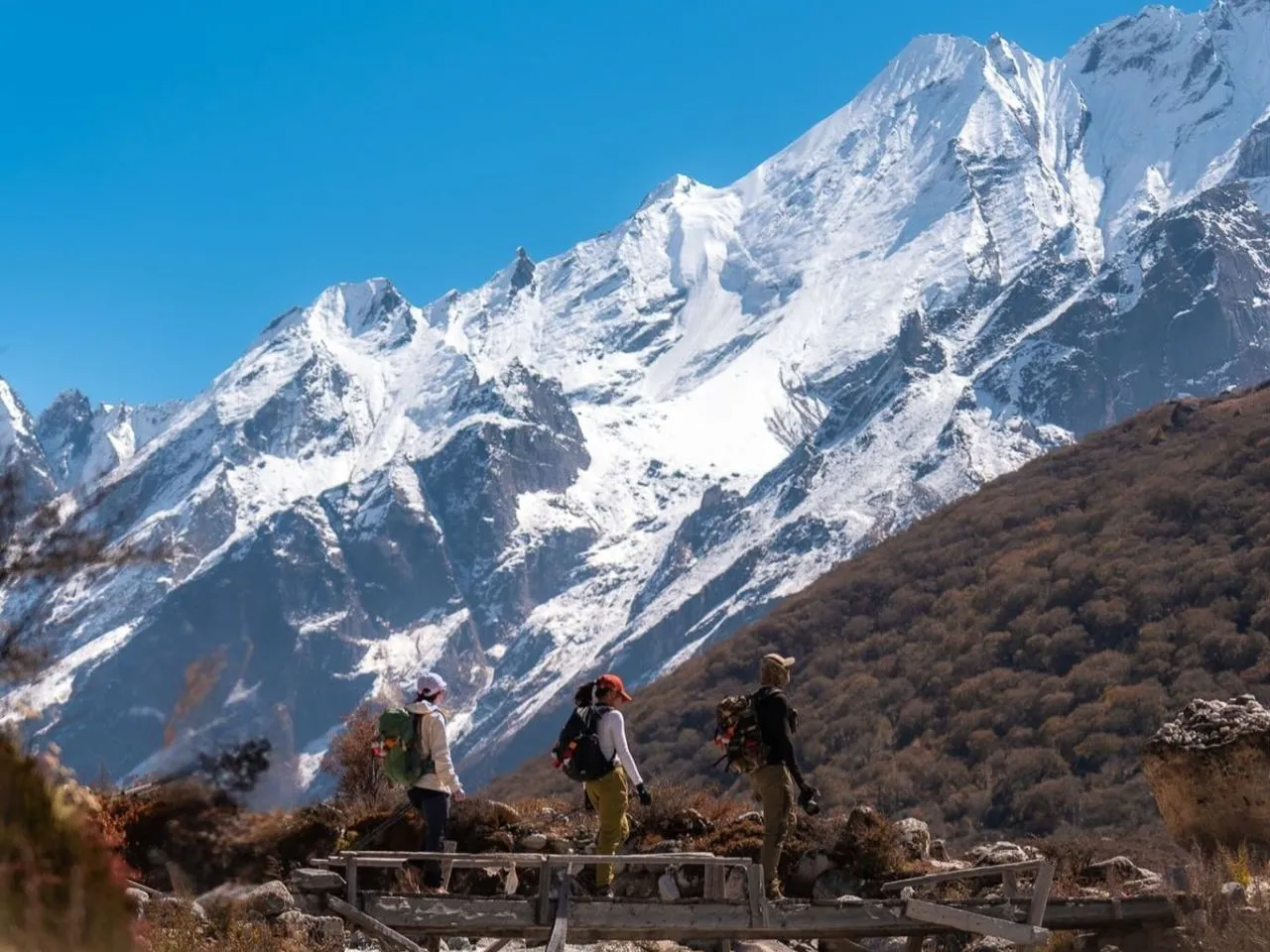
Langtang Luxus-Trek – 10 Tage
Langtang Luxus-Trek – 10 Tage
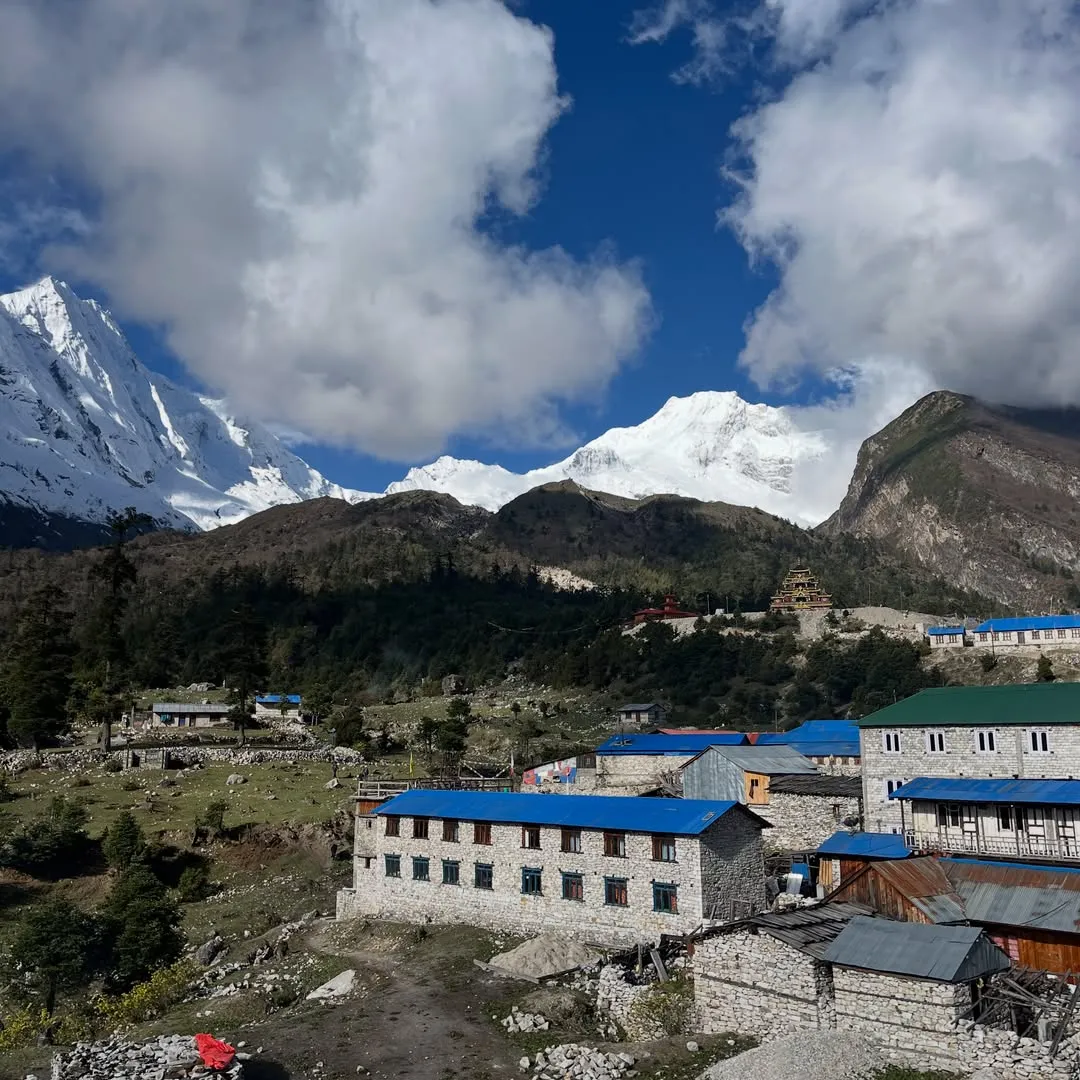
Manaslu-Familienwanderung – 12 Tage
Manaslu-Familienwanderung – 12 Tage
Manaslu-Luxus-Trek – 14 Tage
Manaslu-Luxus-Trek – 14 Tage

Manaslu-Fotografie-Trek – 17 Tage
Manaslu-Fotografie-Trek – 17 Tage
 English
 Deutsch
 Svenska
 Dansk
Dansk Русский
 Français
 Português
 Español
 Polski
 简体中文
简体中文 日本語
日本語 ไทย
ไทย العربية
 한국어
한국어