
hurtigt svar
A complete Nepal peak climbing package for 2027 to 2030 should include the NMA climbing permit, National Park or Conservation Area permit, TIMS Card, garbage deposit, qualified climbing Sherpa at a 1 to 2 ratio, fixed ropes and anchors on technical sections, base camp full board with cook and dining tent, oxygen for peaks above 6,500 m, rescue coordination, and at least three contingency days. Expect $3,200 to $9,200 USD per climber depending on the peak.
Detaljeret opdeling
Nepal peak climbing covers the 28 trekking peaks regulated by the Nepal Mountaineering Association, ranging from Mera Peak at 6,476 m to Himlung Himal at 7,126 m. The category sits between high altitude trekking and full expedition mountaineering, and most packages run 14 to 32 days including the trek in, acclimatization, summit push, and trek out. Climbing skills required range from basic ice axe and crampon use on Mera to technical alpine climbing on Ama Dablam.
Five components make the difference between a complete package and a stripped down quote. First, the climbing permit. The NMA climbing permit for trekking peaks costs $70 to $250 USD per climber depending on the peak and the season, and must be issued through a licensed Nepali operator. Second, the climbing Sherpa. A qualified climbing Sherpa at a 1 to 2 ratio is standard for technical peaks and adds $400 to $1,200 USD per Sherpa to the package.
Omkostnings-/komponentopdeling
For a typical 20 day Nepal peak climbing package for Island Peak or Lobuche East for 2027 to 2030, expect the following cost breakdown per climber.
| bestanddel | Typisk pris USD | noter |
|---|---|---|
| NMA klatretilladelse | $70 til $250 | Per peak and season |
| Sagarmatha National Park og Tims | $40 til $60 | kombinerede tilladelsesomkostninger |
| Affaldsdepositum refunderes | $0 til $50 | Refunded after clean up |
| Climbing Sherpa | $500 til $900 | 1 to 2 ratio on summit day |
| Lead guide and base camp crew | $400 til $700 | Pr. klatreandel |
| Fast reb og gear | $200 til $400 | Rope, anchors, hardware |
| Indlogering, camping og måltider | $600 til $900 | tehus og camping helpension |
| Lukla flights and ground transport | $360 til $480 | Round trip flights and approach jeep |
| I alt pr. klatrer | $3.200 til $5.200 | udelukker internationale flyvninger |
Hvad påvirker svaret
Four factors shift the package scope. First, the peak choice. Mera Peak costs $3,200 to $5,200 USD per climber for a 16 to 20 day trip. Island Peak costs $2,800 to $4,600 USD for a 16 to 20 day trip. Lobuche East costs $3,200 to $4,800 USD. Ama Dablam costs $6,500 to $9,200 USD because of the technical climbing and longer duration.
Second, the climbing Sherpa ratio. A 1 to 1 Sherpa ratio is standard for Ama Dablam and recommended for first time climbers on Island Peak. A 1 to 2 ratio is standard for Mera and Lobuche. A 1 to 4 ratio is possible on Mera for fit and experienced groups but raises risk.
Third, the season. Autumn from September to November is the main season with stable weather and the most teams. Spring from March to May is the second season with warmer temperatures but more snow on the peaks. Winter climbing is possible on lower peaks but cold increases risk.
Bookingtips
Book six to nine months ahead for autumn departures. Confirm the operator holds a valid NMA climbing license and has run the specific peak within the last two seasons. Ask for the lead climbing Sherpa name and NNMGA ID at booking time, not at base camp.
Ask for a written package inclusions list that specifies the climbing permit, Sherpa ratio, fixed rope plan, oxygen, base camp service, rescue coordination, and contingency days. Compare two or three quotes side by side and ask specifically what is excluded. Helicopter rescue and travel insurance are typically separate.
Sammenligning med alternativer
Nepal peak climbing packages compare with three alternatives. High altitude trekking to Everest Base Camp or Annapurna Circuit costs $1,200 to $2,600 USD per person but does not involve climbing. Full 7,000 to 8,000 m expedition climbing costs $9,000 to $45,000 USD per climber and requires significant prior experience. Trekking peaks sit between, offering a real summit ascent at moderate cost.
Almindelige fejl at undgå
Avoid booking a 14 day rushed itinerary to Island Peak. The acclimatization is too fast and altitude sickness rates are high. Choose an 18 to 20 day itinerary that includes the Everest Base Camp trek as acclimatization.
Avoid operators that do not specify the climbing Sherpa name and ratio in the contract. Last minute substitutions to less qualified Sherpas are the largest safety risk on Nepal climbing peaks.
FAQ
What climbing experience do I need for Nepal trekking peaks? Basic ice axe and crampon use, prior trekking to 5,000 m, and fitness for 6 to 8 hour days. Technical peaks like Ama Dablam require alpine AD grade experience.
How long is a typical Nepal peak climbing trip? 14 to 32 days including trek in, acclimatization, summit push, and trek out. Shorter itineraries cut acclimatization margins.
What is the best season for Nepal peak climbing? Autumn from September to November for stable weather. Spring from March to May for warmer temperatures but more snow.
Do I need a climbing Sherpa? For peaks above 6,000 m, yes. The Sherpa ratio depends on peak difficulty and your experience. A 1 to 2 ratio is standard.
oversigt
A complete Nepal peak climbing package for 2027 to 2030 includes the NMA climbing permit, all national park permits, climbing Sherpa at a 1 to 2 ratio, fixed ropes on technical sections, base camp full board, oxygen above 6,500 m, rescue coordination, and three contingency days.
ende
Nepal trekking peaks offer a real climbing summit experience at moderate cost.
Anbefalede Trek-pakker
Trekking steder at udforske
Explore Trips in Nepal
Hand-picked guided trips to this destination
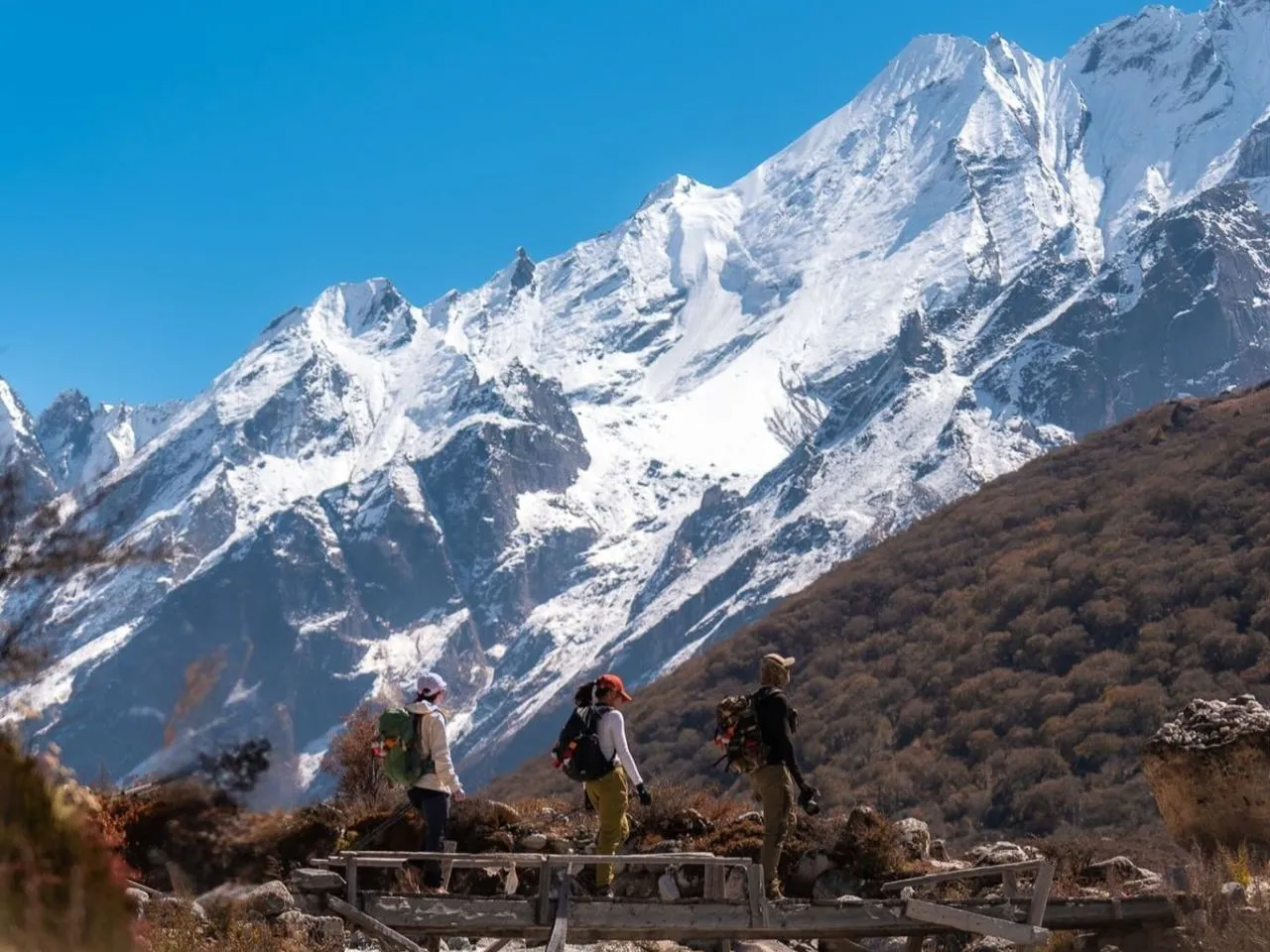
Langtang Luxury Trek – 10 dage
Langtang Luxury Trek – 10 dage
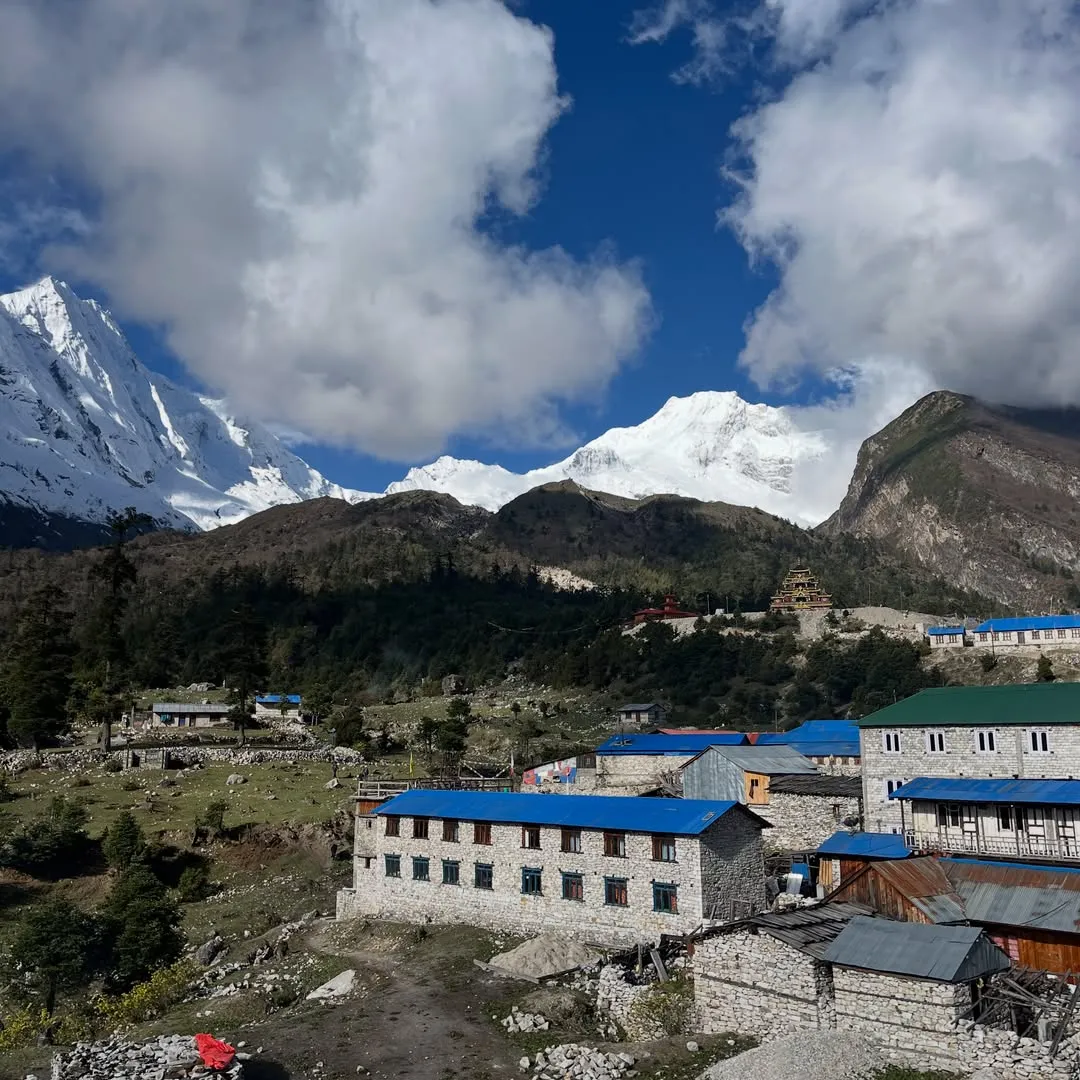
Manaslu Family Trek – 12 dage
Manaslu Family Trek – 12 dage
Manaslu Luxury Trek – 14 dage
Manaslu Luxury Trek – 14 dage

Manaslu Photography Trek – 17 dage
Manaslu Photography Trek – 17 dage
 English
 Deutsch
 Svenska
 Dansk
Dansk Русский
 Français
 Português
 Español
 Polski
 简体中文
简体中文 日本語
日本語 ไทย
ไทย العربية
 한국어
한국어