
hurtigt svar
Expect basic shared dorm rooms with squat toilets and dal bhat or noodle soup for most meals. Nepali teahouses in Simikot, Yalbang, and Hilsa charge USD 5 to USD 15 a night with meals. Chinese guesthouses on the 3 day kora around Mount Kailash charge USD 15 to USD 35 a night for dorm beds and simpler food. Carry snacks, water treatment, and a 4 season sleeping bag for 18 to 24 days in 2027.
Detaljeret opdeling
The Mount Kailash via Humla route is 18 to 24 days from Simikot in northwest Nepal to Lake Manasarovar and the 52 km kora around Mount Kailash in Tibet. The Nepal section runs 6 to 8 days from Simikot to the border at Hilsa, climbing to 4,530 m at Nara La pass. The Tibet section covers the kora over 3 days with a high point of 5,638 m at Drolma La pass.
Accommodation in the Nepal section is in small family teahouses with 4 to 8 bed dorms. Beds have thin foam mattresses. Blankets are provided but not always washed between guests. Squat toilets are basic pit or pan types. Showers are rarely available. Bring a 4 season sleeping bag rated to minus 10 degrees Celsius and a liner.
Food in Nepal is dal bhat, fried rice, noodle soup, momos, and Tibetan bread. Tea is the standard drink. Fresh vegetables are limited above 3,000 m. Meals cost USD 3 to USD 7 each. Bottled water is available in most villages but expensive above 3,500 m. Carry water purification tablets or a filter.
Once across the border at Hilsa, Chinese guesthouses take over. Rooms are larger dorms with 6 to 12 beds. Toilets are similar squat styles or basic pan types. Food shifts to Tibetan and Chinese dishes: thugpa noodle soup, fried noodles, rice with vegetables, and yak butter tea. The kora days offer limited options, so most groups carry instant noodles, energy bars, and electrolytes from Purang or Darchen.
Omkostning/komponentopdeling
| punkt | Nepal Section | Tibet sektion | Omkostninger (USD) |
|---|---|---|---|
| Dorm bed per night | $5 til $10 | $15 til $35 | $5 to $35 |
| Måltider om dagen | $10 til $20 | $15 til $30 | $10 til $30 |
| Bottled water 1 L | $1 til $2 | $2 til $4 | $1 to $4 |
| Varmt brusebad | $2 til $4 | rare | $2 til $4 |
| snacks og energibarer | $5/day | $8/day | $5 til $8 |
| Sleeping bag hire | $2/day | not available | $2/day |
Hvad påvirker svaret
Season changes availability sharply. The Kailash yatra season runs May to September when border crossings are open. May and June offer the cleanest conditions and best food supply. July and August bring monsoon rain on the Nepal side and muddy trails. September clears again but nights drop below freezing at Darchen and during the kora.
Bookingtips
Book 4 to 6 months ahead through an operator with a Chinese Tibet Travel Permit track record. The permit takes 15 to 25 days to issue and requires a passport scan and China visa application. Avoid operators who promise same week permits. Choose a package that includes a Nepali cook crew for the kora days, which improves food quality and safety above 5,000 m.
Carry USD 300 to USD 500 cash for personal expenses, showers, snacks, and tips. Chinese yuan is required for guesthouse extras in Tibet. Exchange at the border in Purang.
Sammenligning med alternativer
Lhasa to Kailash overland tours skip the Nepal Humla section, fly into Lhasa, and drive to Darchen in 5 to 7 days with better Chinese hotels. The trade off is missing the remote Humla valley and the Simikot to Hilsa trek. The Humla route is harder on food and lodging but delivers a more complete pilgrimage experience.
Almindelige fejl at undgå
Underestimating altitude is the most serious error. Simikot sits at 2,950 m and the kora reaches 5,638 m. Trekkers who fly from Kathmandu at 1,400 m to Simikot and rush the Nepal section arrive at the border exhausted. Plan 2 acclimatisation days on the Nepal side.
Not bringing a 4 season sleeping bag is the second mistake. Guesthouse blankets are thin and unwashed. Skipping water treatment is the third. Bottled water is unreliable in remote villages.
FAQ
Are there private rooms on the Kailash route? Mostly no. Nepal teahouses have a few private rooms at USD 15 to USD 25 a night. Tibet guesthouses are dorms only. Book private rooms in Simikot and Purang if available.
Is vegetarian food available? Yes. Most meals on both sides are vegetarian by default due to Buddhist and Hindu pilgrimage tradition. Eggs and dairy are available in lower villages.
Can I drink tap water? No. Use bottled water, boiled water from teahouses, or treat stream water with purification tablets or a filter. Carry a 1 L insulated bottle.
Hvor koldt bliver det om natten? Minus 5 to minus 15 degrees Celsius on the kora in May and September. Bring a 4 season sleeping bag rated to minus 10 and a thermal liner.
Is there mobile signal on the route? Limited. Nepal SIM cards work in Simikot and Hilsa. Chinese SIM cards or Wi-Fi are available in Purang and Darchen. Carry a satellite messenger for the kora.
oversigt
Accommodation on the Kailash via Humla route is basic dorm beds in Nepali teahouses and Chinese guesthouses, with shared squat toilets and limited showers. Food is dal bhat, noodles, and Tibetan dishes, supplemented by carried snacks. Plan USD 25 to USD 50 a day for bed and board, a 4 season sleeping bag, and water treatment for 18 to 24 days.
ende
The Kailash via Humla route delivers a remote pilgrimage experience with simple accommodation and food at every stage. Trekkers who bring a 4 season bag, water treatment, snacks, and patience for shared dorms will manage the 18 to 24 day journey comfortably. Choose an operator with proven Chinese Tibet permit experience and a Nepali cook crew for the kora days above 5,000 m.
Anbefalede Trek-pakker
Trekking steder at udforske
Explore Trips in Nepal
Hand-picked guided trips to this destination
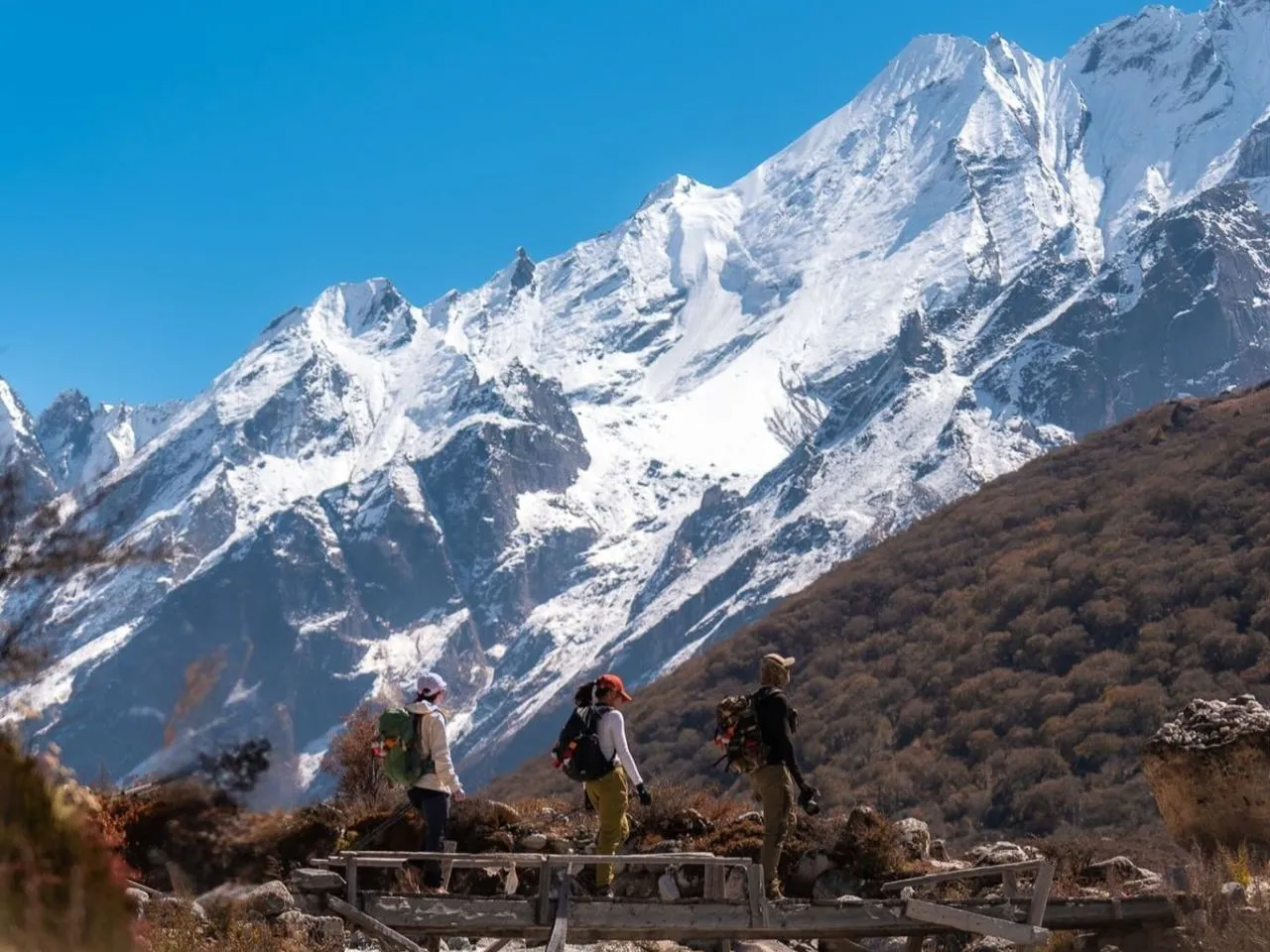
Langtang Luxury Trek – 10 dage
Langtang Luxury Trek – 10 dage
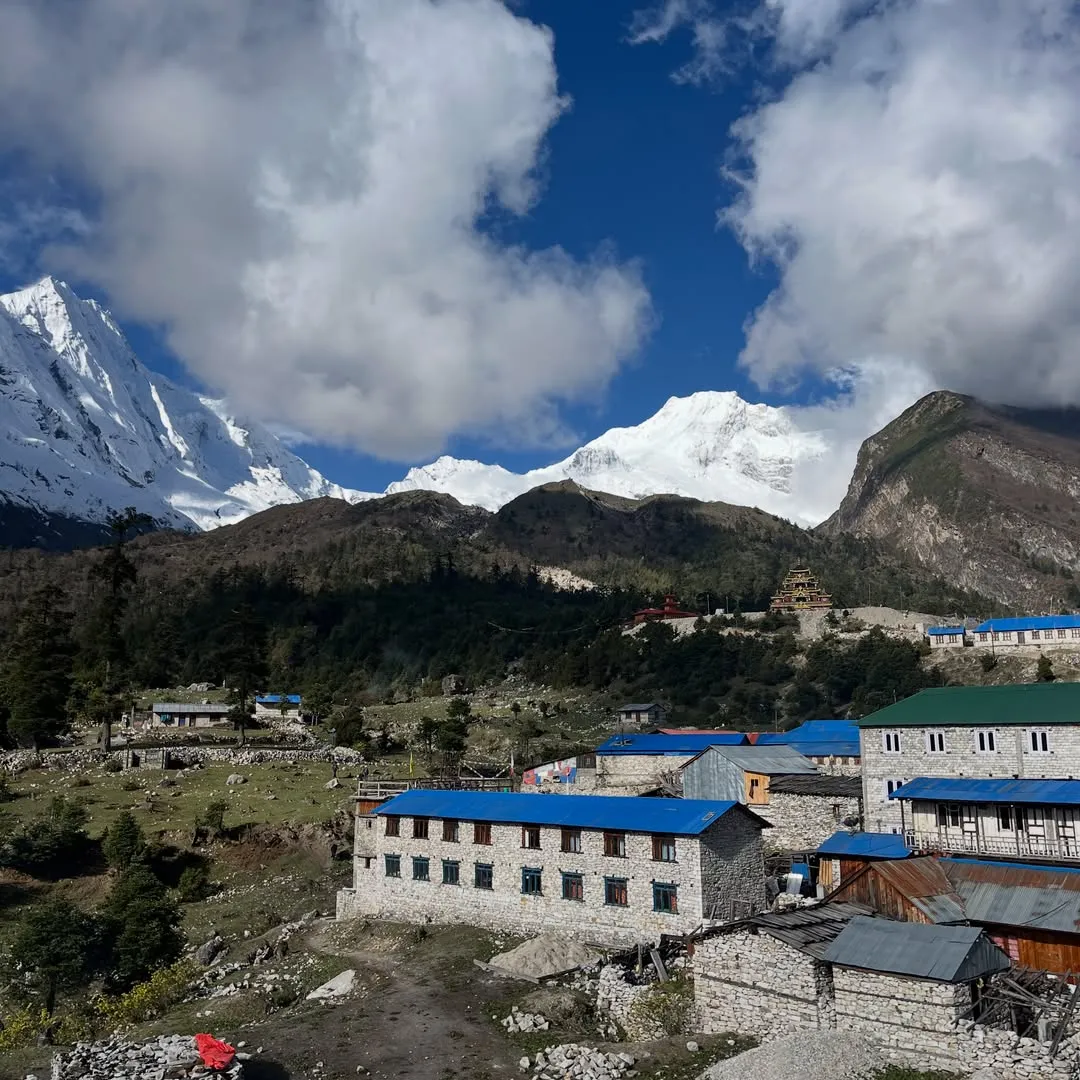
Manaslu Family Trek – 12 dage
Manaslu Family Trek – 12 dage
Manaslu Luxury Trek – 14 dage
Manaslu Luxury Trek – 14 dage

Manaslu Photography Trek – 17 dage
Manaslu Photography Trek – 17 dage
 English
 Deutsch
 Svenska
 Dansk
Dansk Русский
 Français
 Português
 Español
 Polski
 简体中文
简体中文 日本語
日本語 ไทย
ไทย العربية
 한국어
한국어