
إجابة سريعة
If you already hike regularly, train for a Nepal trekking peak such as Mera, Island, or Lobuche East with four additions. Add vertical gain under a 15 to 20 kg pack once per week. Take a two day Alpine skills course covering crampons, ice axe arrest, jumaring, and abseiling. Complete one acclimatisation trek to 5,000 m within 90 days of departure. Test altitude tolerance with a sleep at 3,500 m or a hypoxic tent session, because regular hiking does not predict altitude response.
تفصيلي مفصل
Nepal trekking peaks are the 28 peaks regulated by the Nepal Mountaineering Association, ranging from Mera Peak at 6,476 m to Lobuche East at 6,119 m. They are graded Alpine PD to PD+, which means non technical snow and ice with fixed lines on the steeper sections. Regular hikers fail on these peaks not from fitness but from three specific gaps: vertical gain under load, technical snow skills, and altitude tolerance.
Vertical gain under load is the first gap. A weekend hiker covering 15 km on rolling trail with a 5 kg daypack is not prepared for 1,000 m of climbing with a 15 kg pack at altitude. Add one session per week of 1,000 to 1,500 m of vertical gain on a steep trail, with a pack starting at 10 kg and progressing to 20 kg over 12 weeks.
Technical snow skills are the second gap. Trekking peaks require crampon technique on 30 to 50 degree snow, ice axe arrest, jumaring, and abseiling. A two day Alpine skills course at a local glacier or indoor ice wall covers these skills. Climbers who skip this course freeze on the headwall of Island Peak.
تكلفه / تقسيم المكون
| مكون | صب | التكلفة (دولار أمريكي) |
|---|---|---|
| Weekly vertical gain training | 12 weeks | $0 to $90 gym |
| Alpine skills course, two days | Local glacier or ice wall | $350 إلى $600 |
| Personal crampons and ice axe | Purchase | $400 إلى $700 |
| Acclimatisation trek to 5,000 m | Within 90 days of departure | $500 إلى $1،200 |
| Hypoxic tent rental, 4 weeks | Optional altitude test | $400 إلى $700 |
| Travel insurance with mountaineering cover | مطلوب | $150 إلى $300 |
| Trekking peak package 18 to 22 days | Mera, Island, Lobuche | $2500 إلى $4500 |
| تصريح تسلق NMA | Per peak | $70 إلى $250 |
ما يؤثر على الجواب
Existing hiking volume sets the starting point. A hiker covering 30 km per weekend with 1,000 m of gain can build vertical load tolerance in 8 weeks. A hiker covering 15 km needs 16 weeks. Local terrain matters, because flatlanders must substitute stair climbing with a 20 kg pack for 60 minutes three times per week. Choice of peak affects the technical training needed. Mera Peak is a walk up, so crampon and ice axe arrest skills suffice. Island Peak and Lobuche East have fixed line headwalls, so jumaring and abseiling are essential.
نصائح الحجز
Book the trekking peak package at least four months ahead, because NMA permits are limited and the best guides fill early. Confirm the package includes an acclimatisation trek to 5,000 m before the peak climb. Buy crampons and ice axe two months before departure so you can train in them on the Alpine skills course. Carry your own mountaineering boots, because rental boots cause blisters. Buy travel insurance that explicitly covers mountaineering above 6,000 m.
مقارنة مع البدائل
A 6 month training plan is safer for hikers stepping up from trekking to a first trekking peak, because it allows time for a second acclimatisation trek if the first goes badly. A 3 month plan works for hikers with prior 5,000 m trekking experience. Skipping the Alpine skills course is possible for Mera Peak only, because Mera is a walk up. For Island Peak and Lobuche East, the skills course is non negotiable.
الأخطاء الشائعة التي يجب تجنبها
The first mistake is assuming regular hiking is enough. Trekking peaks demand vertical gain under load and fixed line skills. The second is skipping the Alpine skills course to save USD 500. The cost of a failed expedition is USD 3,500 plus flights, so the course pays for itself. The third is choosing Island Peak over Mera Peak as a first climb. Island has a fixed line headwall that demands technical skill, while Mera is a long walk up. The fourth is ignoring altitude tolerance testing. Hikers who do well at 3,000 m can still fail at 6,000 m.
أسئلة وأجوبة
How much vertical gain should I add per week? One session of 1,000 to 1,500 m of vertical gain with a 10 to 20 kg pack, in addition to your regular hiking.
Do I need an Alpine skills course for Mera Peak? Not strictly, because Mera is a walk up. Crampon and ice axe arrest skills suffice. Island Peak and Lobuche East require the full course.
How do I test altitude tolerance without going to altitude? Rent a hypoxic tent for 4 weeks at 4,500 m simulated altitude, or sleep one night at 3,500 m altitude and check your oxygen saturation.
Which is the best first Nepal trekking peak? Mera Peak at 6,476 m. It is a walk up with no fixed lines and a gentle ascent profile that suits first time 6,000 m climbers.
خلاصة
If you already hike regularly, train for a Nepal trekking peak with weekly vertical gain under load, a two day Alpine skills course, a 5,000 m acclimatisation trek, and altitude tolerance testing. Choose Mera Peak as a first climb, and book the package with at least four months lead time.
ختام
For 2027 to 2030 hikers stepping up to a Nepal trekking peak, the right training plan adds vertical gain under load, technical snow skills, altitude acclimatisation, and tolerance testing to the existing hiking routine. Trekkers who skip the Alpine skills course or the acclimatisation trek fail at twice the rate of those who follow the full plan.
حزم الرحلات الموصى بها
أماكن للرحلات للاستكشاف
Explore Trips in Nepal
Hand-picked guided trips to this destination
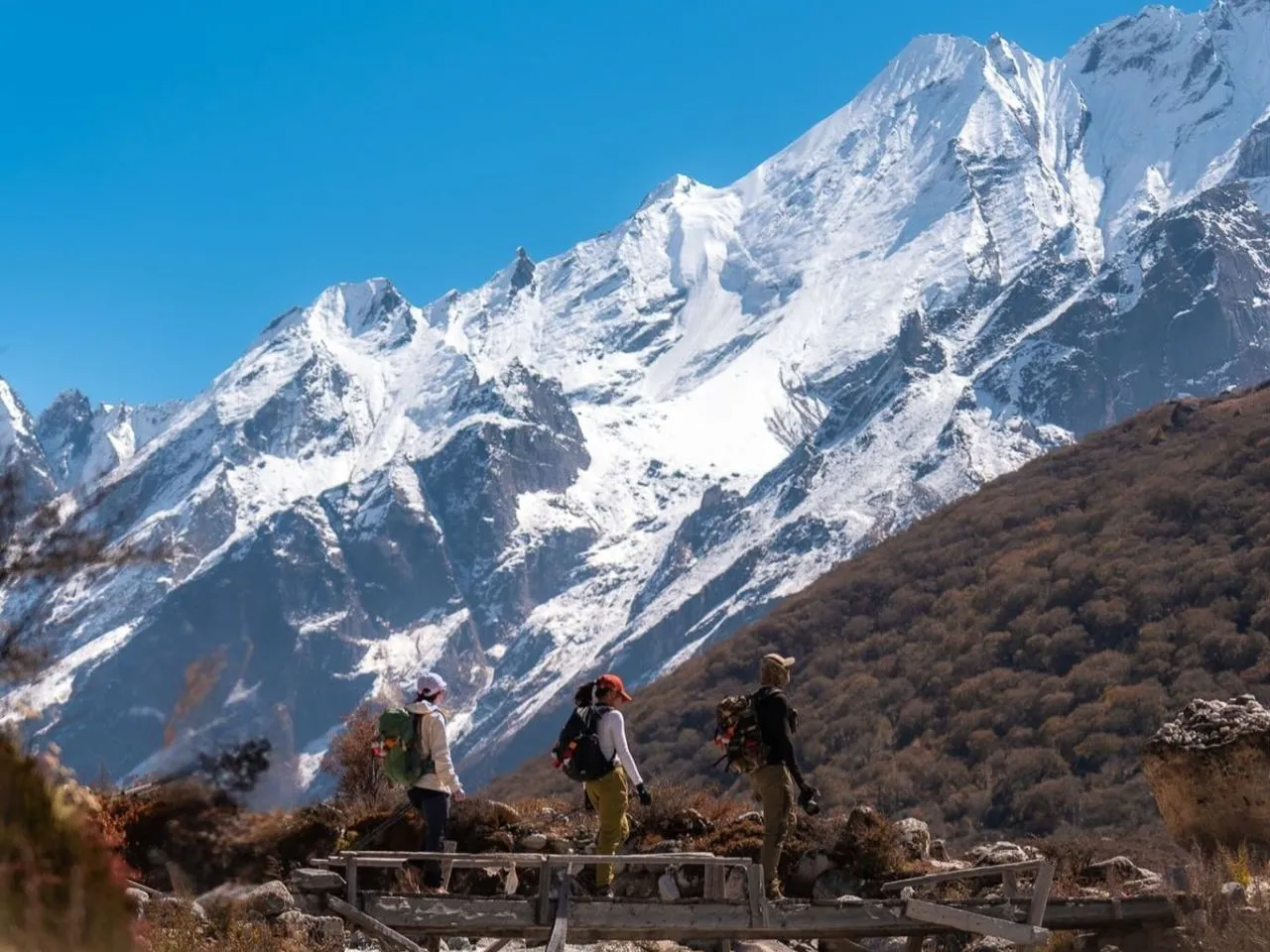
لانجتانج تيك لاكشري - 10 أيام
لانجتانج تيك لاكشري - 10 أيام
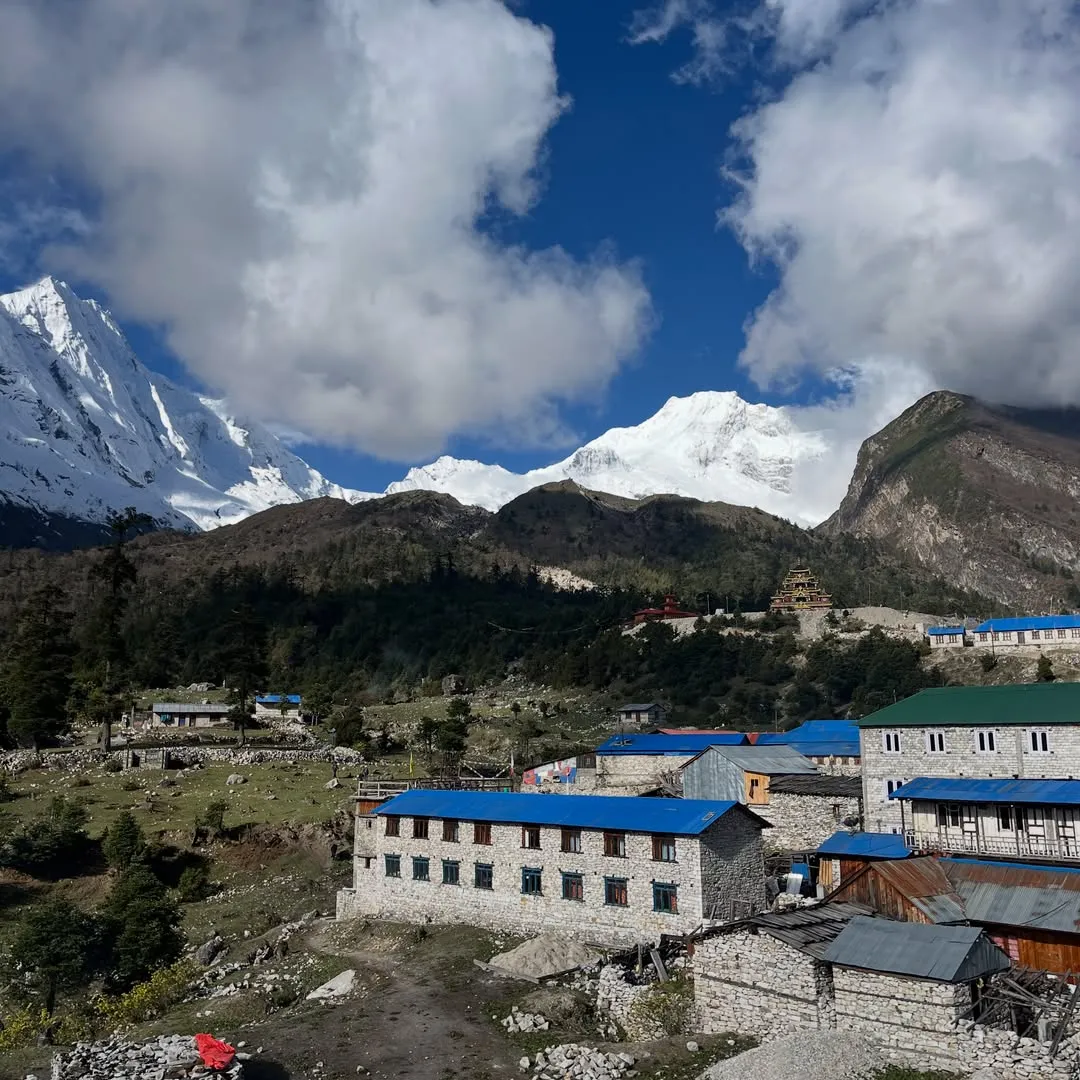
رحلة عائلة ماناسلو - 12 يومًا
رحلة عائلة ماناسلو - 12 يومًا
رحلة ماناسلو الفاخرة - 14 يومًا
رحلة ماناسلو الفاخرة - 14 يومًا

رحلة تصوير ماناسلو – 17 يومًا
رحلة تصوير ماناسلو – 17 يومًا
 English
 Deutsch
 Svenska
 Dansk
Dansk Русский
 Français
 Português
 Español
 Polski
 简体中文
简体中文 日本語
日本語 ไทย
ไทย العربية
 한국어
한국어