
إجابة سريعة
The Simikot Trek is a short 6 to 9 day warm-up through lower Humla villages at moderate altitude, while the Limi Valley Trek is a 14 to 18 day committed circuit across the 5,000 metre Nyalu La into culturally Tibetan villages. Choose Simikot for a quick Humla taste and a Mount Kailash warm-up. Choose Limi for the genuine far-west wilderness experience.
تفصيلي مفصل
The Simikot Trek starts and ends at the Simikot airstrip in upper Humla, reaching a maximum altitude of 4,500 metres on the optional climb above the town. The standard route explores Hindu Khas and Tibetan Buddhist Humli villages, with no restricted-area permit needed if you stay south of Hilsa. Most trekkers walk it as a 6 to 9 day loop and use it as a warm-up for the Mount Kailash overland journey via Hilsa.
The Limi Valley Trek also starts at Simikot but heads north across the Nyalu La pass at 5,000 metres into the culturally Tibetan Limi valley. The route passes through the traditional villages of Til, Halji, and Jang, with monasteries at Halji and Jang dating to the 11th century. The Humla Restricted Area Permit is mandatory, and the trek runs 14 to 18 days round trip.
The two routes share the Simikot access logistics but differ sharply in remoteness, cultural immersion, and physical demand.
تكلفه / تقسيم المكون
| مكون | سيموت تريك | رحلة وادي ليمي |
|---|---|---|
| تكلفة التصريح 2027 | TIMS only, $20 | Humla RAP $50 first 7 days + $7/day + TIMS |
| أيام | 6 إلى 9 | 14 إلى 18 |
| ماكس الارتفاع | 4500 م | 5,000 m on Nyalu La |
| مطلوب دليل | موصى به | إلزامي |
| Village culture | Hindu Khas and Buddhist mix | Fully Tibetan Limi |
| مجموع الحزمة 2027 | $900 إلى $1400 | $2،400 إلى $3600 |
ما يؤثر على الجواب
Time budget is the first factor. Simikot fits a one-week Nepal slot between other trips, while Limi needs a full two and a half weeks of walking plus Simikot flight buffers.
Cultural interest is the second factor. Trekkers who want a genuine Tibetan-Buddhist village experience should pick Limi without hesitation. The three Limi villages have stayed culturally Tibetan for centuries, while the Simikot loop mixes Hindu Khas and Buddhist culture in roughly equal measure.
Fitness and acclimatization are the third factor. The Simikot Trek barely crosses 4,000 metres and suits moderate walkers. Limi crosses a 5,000 metre pass and demands the same fitness as a Manaslu or Annapurna Circuit trekker.
نصائح الحجز
Book both routes between late May and late September, when the Simikot STOL flight runs most reliably and the Nyalu La is snow-free. Avoid early September when monsoon retreat can close the airstrip for days.
Reserve the Kathmandu to Nepalgunj to Simikot flights through a single agency. The Simikot flight has a roughly 30 percent cancellation rate, and a single booking point prevents gaps between the two segments.
For Limi, confirm the itinerary includes a buffer day at Simikot or Hilsa for flight cancellations, and build at least one rest day in Halji for acclimatization and monastery visits.
مقارنة مع البدائل
Compared with the Upper Dolpo Trek, the Limi Valley Trek is shorter and slightly cheaper, with comparable remoteness and Tibetan culture. Trekkers choosing between the two should pick based on which restricted-area permit and access route fits their itinerary.
Compared with the Simikot Hilsa Trek, the Simikot Trek is shorter and stays at lower altitude, while the Simikot Hilsa route is a transit corridor toward the Tibet border rather than a cultural circuit.
الأخطاء الشائعة التي يجب تجنبها
Booking a Simikot Trek in shoulder season without a flexible return ticket. STOL flight cancellations strand trekkers for two to four days each direction.
Underestimating the Nyalu La crossing on the Limi route. The pass is at 5,000 metres and is often snow-dusted even in summer.
Walking Limi without a licensed guide. The Humla Restricted Area Permit requires one, and the trail above 3,500 metres is poorly waymarked.
Skipping the Halji monastery visit on Limi. The 11th century monastery is the cultural highlight of the route and warrants a half-day visit.
أسئلة وأجوبة
Is the Simikot Trek easier than the Limi Valley Trek?
Yes. Simikot stays below 4,500 metres and runs 6 to 9 days. Limi crosses a 5,000 metre pass and runs 14 to 18 days, requiring the same fitness as a Manaslu or Annapurna Circuit trekker.
Can I combine the Simikot Trek with Limi Valley?
Yes. Most Limi Valley itineraries include Simikot as the start and end point. A Simikot warm-up loop adds two to four days before the Limi crossing.
Do I need a restricted-area permit for Simikot?
No, as long as you stay south of Hilsa. The standard Simikot loop requires only the TIMS Card. Limi Valley requires the Humla Restricted Area Permit.
Which trek has better Tibetan culture?
Limi Valley, by a clear margin. The three villages of Til, Halji, and Jang are culturally Tibetan and have monasteries dating to the 11th century.
خلاصة
The Simikot Trek is a moderate 6 to 9 day warm-up through Humla villages without a restricted-area permit. The Limi Valley Trek is a 14 to 18 day committed circuit into culturally Tibetan villages with a 5,000 metre pass crossing. Budget $900 to $1,400 for Simikot and $2,400 to $3,600 for Limi in 2027, and book both between late May and late September.
ختام
Choose the Simikot Trek for a quick Humla introduction or as a Mount Kailash warm-up. Choose the Limi Valley Trek for the genuine far-west wilderness experience with Tibetan culture, ancient monasteries, and a serious 5,000 metre pass. Both share Simikot access logistics, but they are different trips at different price points and difficulty levels.
حزم الرحلات الموصى بها
أماكن للرحلات للاستكشاف
Explore Trips in Nepal
Hand-picked guided trips to this destination
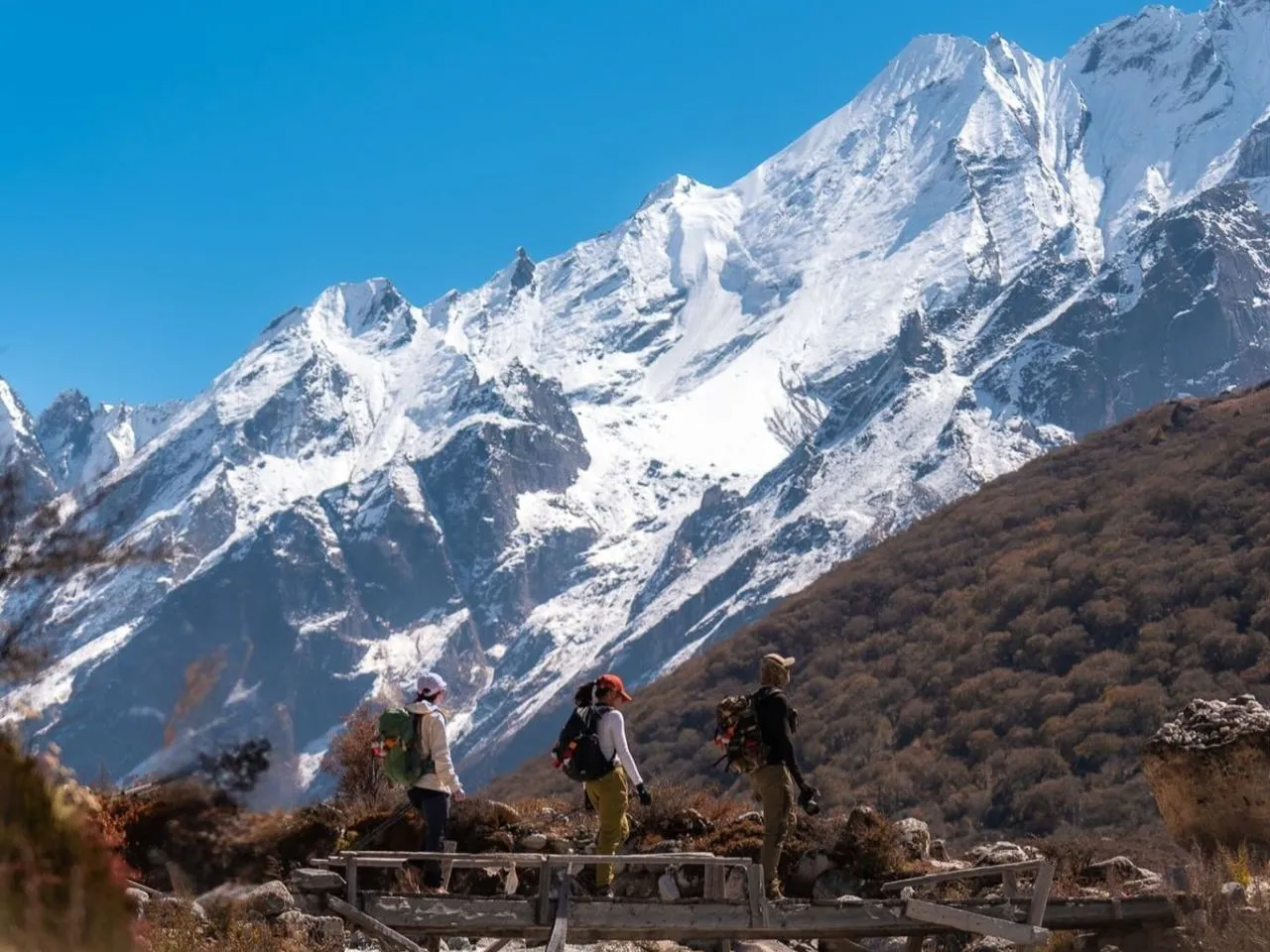
لانجتانج تيك لاكشري - 10 أيام
لانجتانج تيك لاكشري - 10 أيام
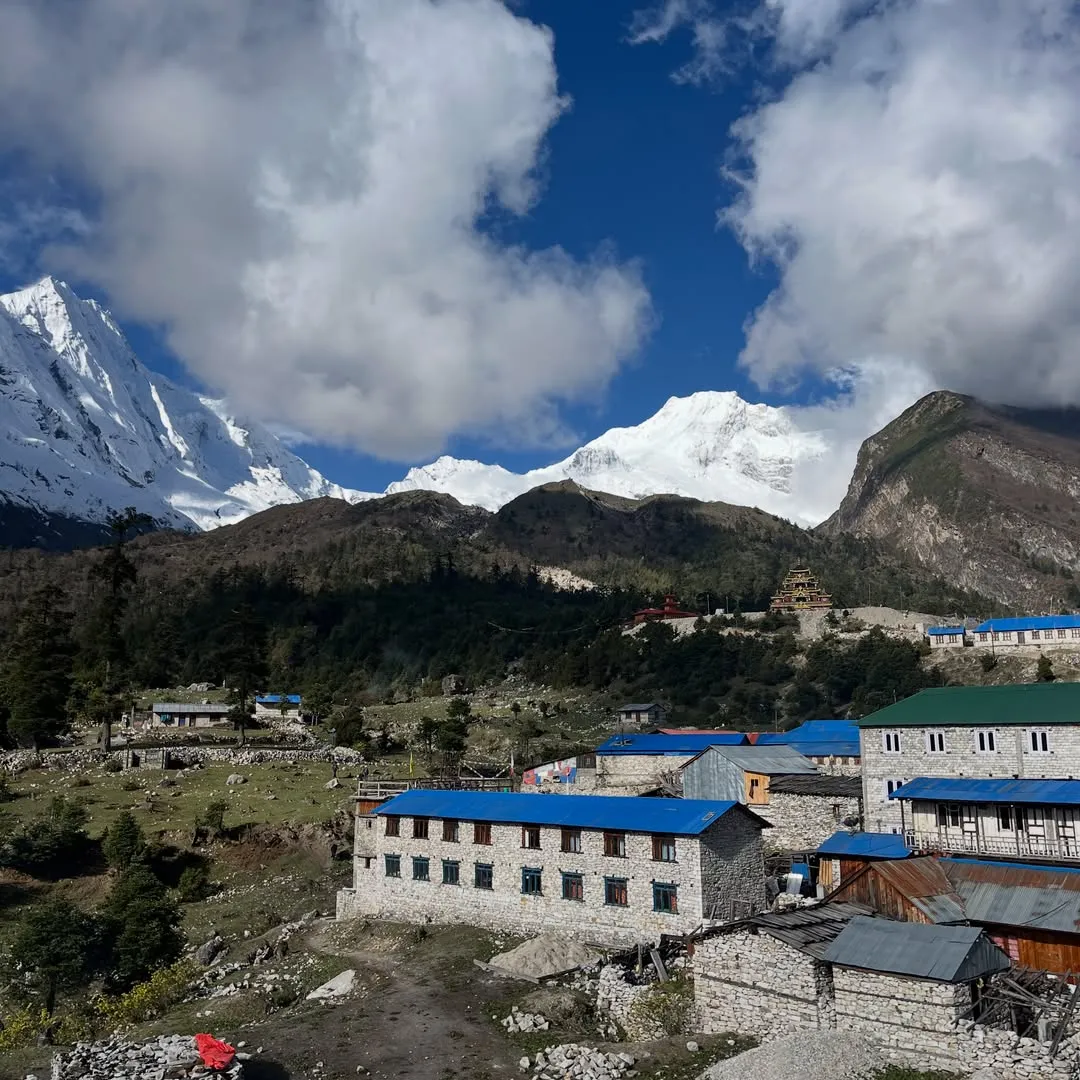
رحلة عائلة ماناسلو - 12 يومًا
رحلة عائلة ماناسلو - 12 يومًا
رحلة ماناسلو الفاخرة - 14 يومًا
رحلة ماناسلو الفاخرة - 14 يومًا

رحلة تصوير ماناسلو – 17 يومًا
رحلة تصوير ماناسلو – 17 يومًا
 English
 Deutsch
 Svenska
 Dansk
Dansk Русский
 Français
 Português
 Español
 Polski
 简体中文
简体中文 日本語
日本語 ไทย
ไทย العربية
 한국어
한국어