
-
フライト + 自家用車
-
最大8
-
6091
-
スターホテル、ティーハウス、キャンプ
-
高い
-
カトマンズ
-
カトマンズ
-
春 (3 月から 5 月) は、温暖な気候、シャクナゲの花、そして信頼できる山の視界をもたらします。 秋 (9 月から 11 月) は、最も澄んだ空、さわやかな空気、そして安定したトレッキングのコンディションを提供します。 冬(12 月から 2 月)は寒いですが、下のルートでは可能性があります。 夏のモンスーン (6 月から 8 月) は、雨と、あいまいな景色をもたらします。.
-
Live Personal Climbing Guide (Sherpa)
-
ピーククライミング
-
英語
-
Includes (BLD) + Camp Meals
-
NMA Pisang Peak Permit, Annapurna Conservation Area Permit (ACAP), TIMS Card.
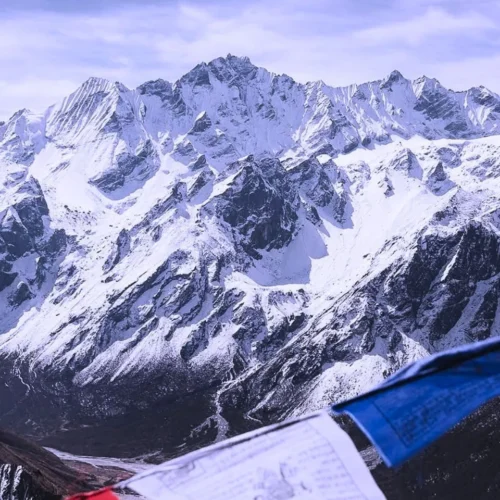
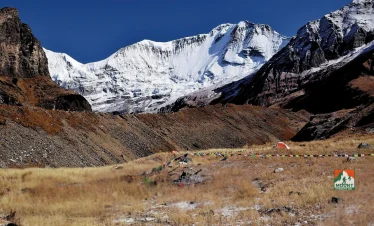
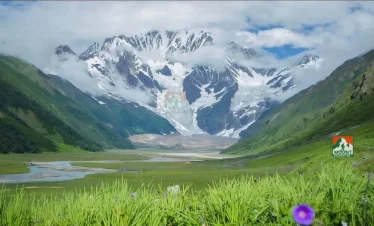
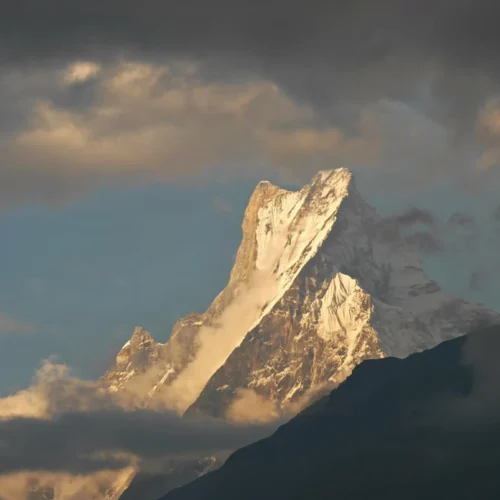
ピサン Peak (6,091m / 19,984 ft) is a trekking peak located in the まーん district of Nepal, rising directly north of the village of Pisang on the classic Annapurna Circuit trail. The peak lies in the Annapurna range of the Himalaya in north-central Nepal, approximately 28 degrees 35 minutes north latitude and 84 degrees 10 minutes east longitude. Pisang Peak was first climbed in 1955 by a German expedition led by Jurgen Wellenkamp, making it one of the earliest recorded ascents of any Nepali trekking peak. The mountain is classified as a Group A trekking peak by the Nepal Mountaineering Association (NMA), which issues the climbing permit.The standard route climbs the south-west ridge above Pisang village, with a Base Camp at approximately 4,380m and a High Camp at around 5,400m on a broad snow shoulder. The ridge features a mix of scree, snow, and short ice steps, with the final 200m to the summit involving 30-40 degree snow slopes. No technical rock climbing is required, but basic mountaineering skills including crampon use, ice-axe arrest, and rope travel are essential. The summit rewards climbers with a stunning panorama of the Annapurna massif, including Annapurna II (7,937m), Annapurna III (7,555m), Annapurna IV (7,525m), Gangapurna (7,454m), and Tilicho Peak (7,134m).Pisang Peak is a popular first climb for trekkers transitioning to mountaineering because of its moderate technical difficulty, reliable snow conditions, and easy access from the Annapurna Circuit. The climb is typically combined with a full Annapurna Circuit trek including the crossing of トロン ラ (5,416m), giving climbers an excellent acclimatization profile before the summit push. The best climbing seasons are spring (April-May) and autumn (October-November), with spring offering more stable snow conditions on the upper mountain.The local population is primarily of Tibetan Buddhist Manangi descent, with traditional villages, monasteries, and prayer walls along the approach trail. The approach through the Marsyangdi Valley crosses several climatic zones from subtropical forest at low elevation to the arid Tibetan plateau environment above Pisang. Climbers should be self-sufficient for two nights at Base Camp and one night at High Camp, with all expedition gear portered in. The summit day typically starts at 3-4 AM from High Camp, with 6-8 hours of climbing to reach the top and 3-4 hours of descent back to Base Camp.
ハイライト
- Climb a classic 6,091m Nepali trekking peak first summited by a German expedition in 1955.
- Combine the ascent with the Annapurna Circuit and the crossing of Thorong La at 5,416m.
- Summit panorama of Annapurna II, III, IV, Gangapurna, and Tilicho Peak.
- Beginner-friendly mountaineering with a 1-day skills training at Base Camp.
- Cultural immersion in traditional Manangi villages with Tibetan Buddhist heritage.









 English
 Deutsch
 Svenska
 Dansk
Dansk Русский
 Français
 Português
 Español
 Polski
 简体中文
简体中文 日本語
日本語 ไทย
ไทย العربية
 한국어
한국어