
snabbt svar
Season, wind, and dust shape every photo on the Jomsom Muktinath Trek. October and November offer the clearest mountain light but strong afternoon winds of 30 to 50 kilometres per hour from 11 AM. Spring adds dust haze from the Tibetan plateau. Winter offers crisp light but short days. Plan dawn shoots and protect camera gear with sealed bags and lens cloths.
Detaljerad uppdelning
The Jomsom Muktinath Trek runs 7 to 10 days along the Kali Gandaki valley in the Annapurna rain shadow. The route starts at Jomsom at 2,740 metres, climbs to Kagbeni at 2,810 metres, Muktinath at 3,760 metres, and back. The valley is the deepest in the world between Dhaulagiri at 8,167 metres and Annapurna I at 8,091 metres.
Wind is the defining feature. The daily thermal wind starts at 10 AM from the south and peaks at 2 PM at 30 to 50 kilometres per hour. This wind blows dust and sand up the valley.
Season sets the light. October has the clearest air. April and May have dust haze from the Tibetan plateau. Winter has the crispest light but only 9 hours of daylight. Dust affects lenses, sensors, and tripods. Photographers need sealed camera bags, multiple lens cloths, and a sensor cleaning kit.
Kostnad/komponentuppdelning
| faktor | oktober | april | december | juni |
|---|---|---|---|---|
| Mountain clarity | utmärkt | Måttlig | utmärkt | dålig |
| Wind speed | 30 to 50 km/h | 25 to 40 km/h | 20 to 30 km/h | 15 to 25 km/h |
| Dust level | Måttlig | hög | lågt | lågt |
| Daylight hours | 11 | 12 | 9 | 14 |
| Rain risk | lågt | lågt | ingen | hög |
| Best shoot window | 6 to 9 AM | 6 to 9 AM | 7 to 9 AM | Rekommenderas inte |
Vad påverkar svaret
Time of day matters most. The wind starts at 10 AM. The best light and the calmest air are 6 to 9 AM. Plan dawn shoots at Kagbeni and Muktinath.
Lens choice matters. Wide angle lenses at 16 to 35 millimetres capture the Dhaulagiri massif. Telephoto at 70 to 200 millimetres compresses the valley depth. Avoid changing lenses in the field.
Camera protection matters. A sealed camera bag with internal dividers is required. A rain cover doubles as a dust cover.
Tripod weight matters. Carbon fiber tripods survive the wind better than aluminum. Add weight to the tripod hook for stability.
Bokningstips
Book Jomsom flights 60 days ahead for October. The Pokhara to Jomsom flight is weather dependent and cancels 20 percent of the time.
Book Kagbeni and Muktinath lodges 30 days ahead for October. The Red House Lodge in Kagbeni and the Om's Home in Muktinath are photographer favorites.
Carry a sensor cleaning kit with swabs and fluid. The Kali Gandaki dust reaches the sensor within 3 days.
Pack 3 to 5 lens cloths per day. They get dirty fast and cannot be washed effectively in lodges.
Use a polarizing filter for the Dhaulagiri massif. It cuts the haze and increases contrast.
Jämförelse med alternativ
Compared with the Annapurna Base Camp Trek, Jomsom Muktinath has more wind, more dust, and drier air. ABC has moist air and greener scenery. Jomsom has desert like terrain.
Compared with the Upper Mustang Trek further north, Jomsom Muktinath has similar wind but less dust. Mustang has more dust from the Tibetan plateau.
Compared with the Tilicho Lake Trek, Jomsom Muktinath has gentler grades and easier access for heavy camera gear.
Vanliga misstag att undvika
Shooting at midday in October. The wind peaks at 2 PM and the light is flat. Shoot dawn and dusk only.
Changing lenses in the field. The Kali Gandaki dust gets on the sensor within seconds. Use 2 camera bodies or fixed zoom lenses.
Skipping the polarizing filter. Haze is constant in April and May. A polarizer restores contrast.
Not protecting the tripod head. Sand jams the ball head mechanism. Wrap the head in a cloth when not shooting.
Going in June. The monsoon clouds the mountains and the wind drops, removing the dramatic light.
fami
How do season, wind, and dust affect photography on the Jomsom Muktinath Trek?
October and November offer the clearest mountain light but strong afternoon winds of 30 to 50 kilometres per hour. Spring adds dust haze. Winter offers crisp light. Plan dawn shoots and protect gear.
When is the best time for photography on the Jomsom Muktinath Trek?
October. The post monsoon air is clear, the wind starts at 10 AM, and the morning light from 6 to 9 AM is the best of the year.
How strong is the wind on the Jomsom Muktinath Trek?
30 to 50 kilometres per hour from 11 AM to 4 PM in October. The wind blows up the Kali Gandaki valley from the south.
How do I protect my camera from dust on the Jomsom Muktinath Trek?
Use a sealed camera bag, avoid changing lenses in the field, carry a sensor cleaning kit, and pack 3 to 5 lens cloths per day.
Can I photograph the Dhaulagiri massif from Jomsom?
Yes. The dawn light from 6 to 7 AM at Jomsom and Kagbeni shows Dhaulagiri and Nilgiri in clear October air. Use a wide angle and a polarizing filter.
sammanfattning
Season, wind, and dust define photography on the Jomsom Muktinath Trek. October offers the clearest light, the wind peaks at 30 to 50 kilometres per hour from 11 AM, and dust is constant. Plan dawn shoots and protect camera gear with sealed bags and a sensor cleaning kit.
slutsats
For 2027, plan the Jomsom Muktinath Trek in October for the best photography. Shoot from 6 to 9 AM, use a sealed camera bag and a polarizing filter, and avoid changing lenses in the field. The Kali Gandaki valley rewards prepared photographers with the deepest valley light in the Himalaya.
Rekommenderade Trek-paket
Vandringsplatser att utforska
Explore Trips in Nepal
Hand-picked guided trips to this destination
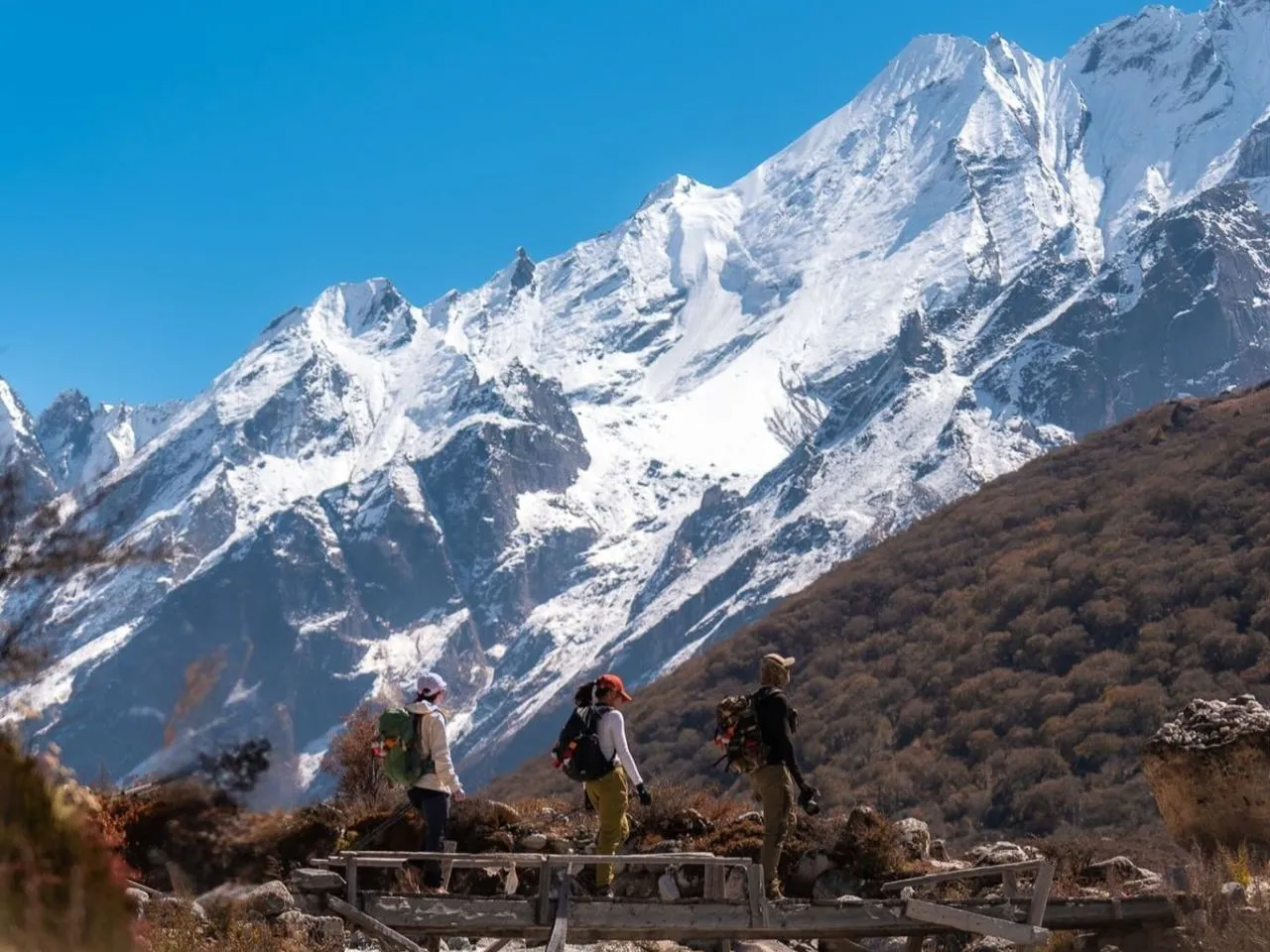
Langtang Luxury Trek – 10 dagar
Langtang Luxury Trek – 10 dagar
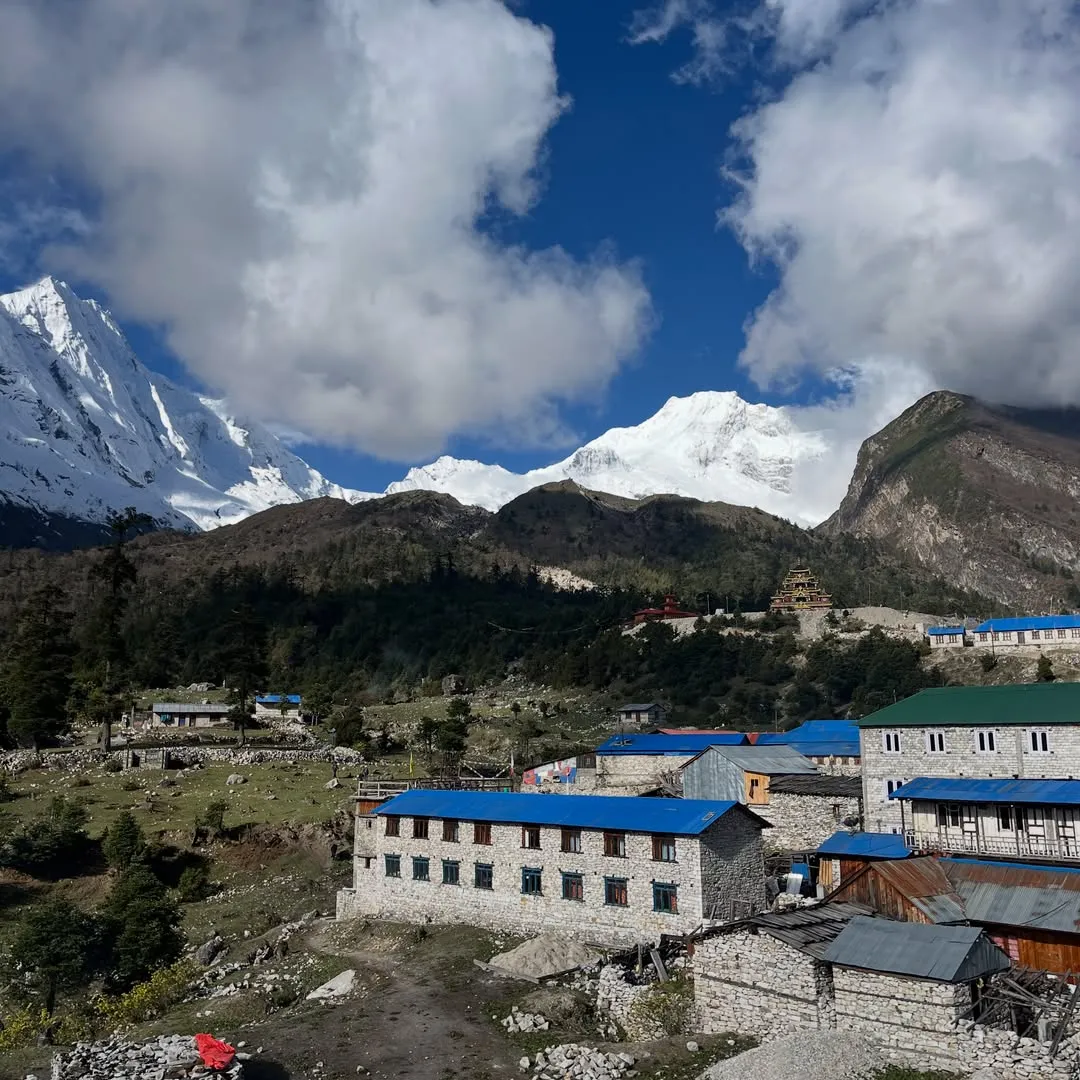
Manaslu Family Trek – 12 dagar
Manaslu Family Trek – 12 dagar
Manaslu Luxury Trek – 14 dagar
Manaslu Luxury Trek – 14 dagar

Manaslu Photography Trek – 17 dagar
Manaslu Photography Trek – 17 dagar
 English
 Deutsch
 Svenska
 Dansk
Dansk Русский
 Français
 Português
 Español
 Polski
 简体中文
简体中文 日本語
日本語 ไทย
ไทย العربية
 한국어
한국어