
szybka odpowiedź
Pack microspikes, B1 stiff trekking boots, two trekking poles, knee high gaiters, and a four layer clothing system for the Tilicho Lake Trek. The 4,919 m lake approach crosses 2 km of loose scree above Khangsar, and the Mesokanto Pass variant holds old snow through July. Lake morning temperatures drop to minus 10 degrees even in peak autumn.
Szczegółowy podział
The Tilicho Lake Trek branches off the Annapurna Circuit at Manang, climbing to the lake at 4,919 m, one of the highest lakes in the world. The standard out and back route from Manang runs 10 to 14 days total including the circuit. The tougher Mesokanto Pass variant continues over 5,099 m to Jomsom.
The scree section above Khangsar base camp runs 2 km at 4,500 to 4,800 m. Loose rock the size of fists shifts underfoot, and a single slip can send a trekkers 50 m downslope. Microspikes help on the snow patches, and trekking poles add balance on the scree itself.
The Mesokanto Pass holds hard packed snow through July in most years, with fresh snowfall possible in any month. Crossing it requires real mountaineering awareness, route finding, and a guide familiar with the line. Most trekkers skip Mesokanto and return the same way to Manang.
Podział kosztów/komponentów
| składnik | specyfikacja | Koszt w 2027 USD |
|---|---|---|
| Trekking boots | B1 stiff, waterproof, ankle support | $200 do $320 |
| Microspikes | Lightweight steel, 10 point | $60 do $120 |
| Polacy trekkingowe | Carbon or aluminium pair | $70 do $160 |
| Geocie | Knee high, waterproof | $40 do $80 |
| kurtka puchowa | 800 fill, hooded | $150 do $300 |
| śpiwór | Minus 15 C rated | $180 do $350 |
| Kurtka z twardej powłoki | Waterproof, taped seams | $150 to $280 |
| Sunglasses | Category 4, side shields | $40 do $120 |
Co wpływa na odpowiedź
Route variant matters most. The out and back Tilicho route from Manang needs standard circuit gear plus microspikes. The Mesokanto Pass variant adds ice axe skills and a guide with route finding experience.
Season shifts the gear load. Spring from March to May has more old snow on the approach, demanding full microspike use. Autumn from October to November has drier scree but colder mornings. Winter from December to February closes the route with deep snow.
Group size affects rope and team gear. Solo trekkers and pairs carry personal gear only. Groups of four or more crossing Mesokanto should add a 30 m rope and a satellite phone for safety.
Wskazówki dotyczące rezerwacji
Hire a guide who has crossed Meskanto Pass within the last two seasons. The route changes yearly with scree slides and snowfield shifts, and only fresh experience keeps you on the right line.
Reserve teahouse space at Tilicho Base Camp a day in advance from Manang. The base camp has 25 bed spaces, and in October demand runs 60 to 80 trekkers per night.
Pack microspikes even for the out and back route. The Tilicho lake day starts at 4 a.m. to beat afternoon weather, and the upper trail holds glare ice on shaded aspects through October.
Porównanie z alternatywami
Compared with Annapurna Circuit gear, Tilicho adds microspikes, warmer sleeping bag, and a four season hard shell. The Circuit's highest point at Thorong La is one pass day, while Tilicho's lake approach is two nights above 4,100 m.
Compared with Gokyo Lakes gear, Tilicho needs similar lake altitude kit but less acclimatisation gear because the approach is shorter. Gokyo's 5,357 m Gokyo Ri demands an extra acclimatisation day.
Compared with Kapuche Lake gear, Tilicho is colder and higher. Kapuche at 4,600 m has more sheltered approach and warmer mornings by 5 degrees.
Częste błędy, których należy unikać
Using trail running shoes for Tilicho. The scree section destroys soft shoes and offers no ankle support on the loose rock. Stiff B1 boots are non negotiable.
Skipping acclimatisation in Manang. Tilicho sits at 4,919 m, and going from Manang at 3,540 m to Tilicho Base Camp at 4,150 m to the lake in two days risks altitude sickness. Add a rest day in Manang.
Underestimating sun exposure. At 4,919 m UV radiation is 50 percent stronger than at sea level. Category 4 sunglasses with side shields prevent snow blindness on the lake day.
Crossing Mesokanto without a guide. The pass has no marked trail, and whiteout conditions can strand a solo trekker. Always go with a guide who knows the line.
FAQ
Czy potrzebuję raków do jeziora Tilicho?
Usually no. Microspikes handle the old snow patches on the standard route. Full crampons are only needed for the Mesokanto Pass variant in early spring or after fresh snowfall.
What boots work for Tilicho scree?
B1 rated trekking boots with stiff soles and full ankle support. Brands like La Sportiva Trek, Scarpa Zodiac, or Meindl Island offer the right flex and protection for 2 km of loose scree.
Can I cross Mesokanto Pass in October?
Yes, with a guide and microspikes. October has the most stable conditions and the lowest fresh snowfall risk. Avoid November, when early winter storms close the pass for days.
How cold is Tilicho Lake in the morning?
Minus 8 to minus 12 degrees Celsius at 6 a.m. in October. The lake approach starts in the dark and the wind chill at the lake shore drops another 5 degrees.
zbiorczy
Build the Tilicho Lake kit around stiff B1 boots, microspikes, trekking poles, gaiters, and a four layer clothing system. The 4,919 m lake and the scree above Khangsar demand more gear than the standard Annapurna Circuit.
wnioskowanie
Tilicho Lake rewards trekkers with one of the world's highest alpine lakes, but only if the gear matches the surface. Stiff boots for scree, microspikes for old snow, and a four layer kit for minus 10 degree mornings cover every condition the route throws at you.
Zalecane pakiety Trek
Miejsca trekkingowe do zwiedzania
Explore Trips in Nepal
Hand-picked guided trips to this destination
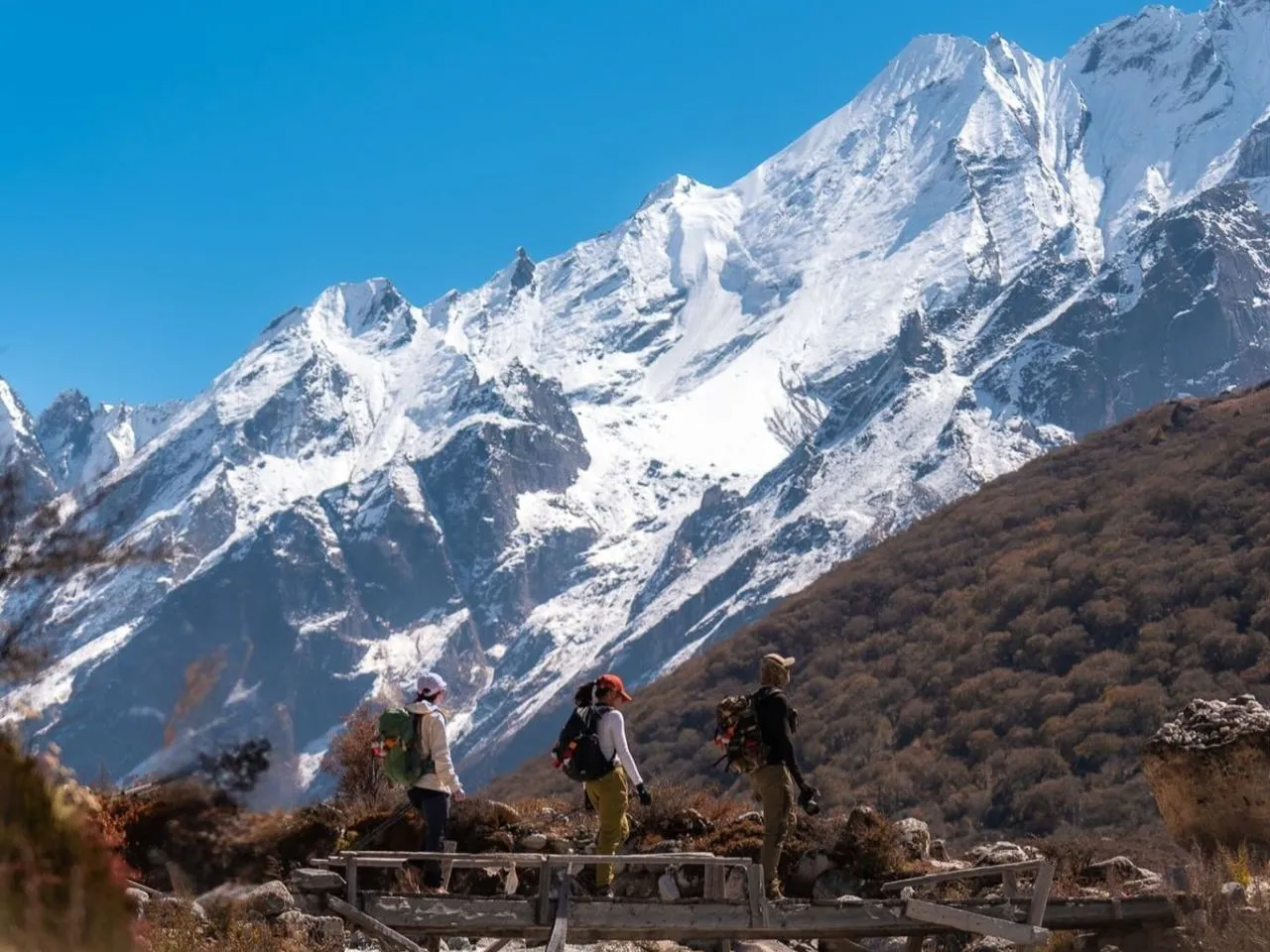
Luksusowa wędrówka Langtang – 10 dni
Luksusowa wędrówka Langtang – 10 dni
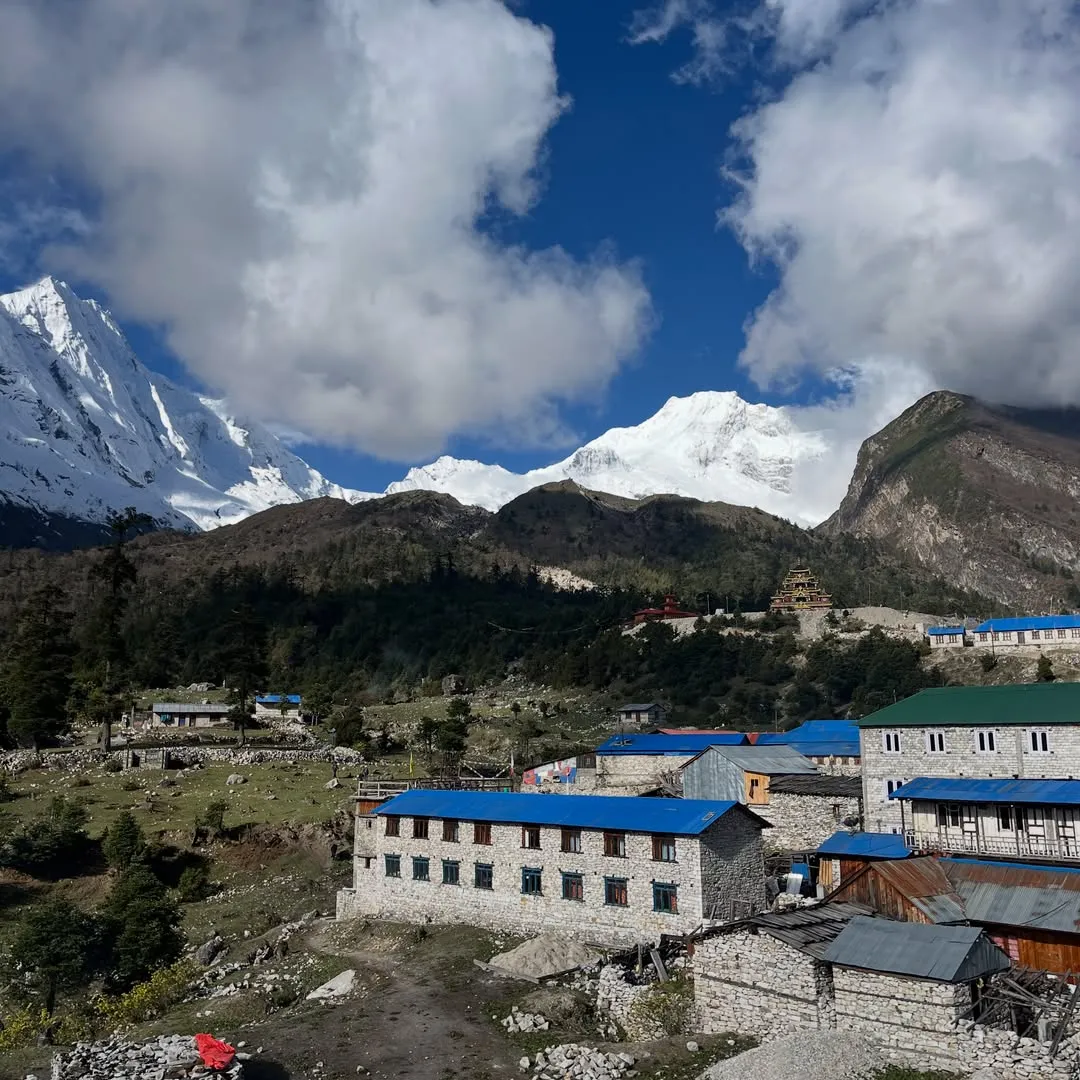
Wędrówka rodzinna Manaslu – 12 dni
Wędrówka rodzinna Manaslu – 12 dni
Luksusowa wędrówka Manaslu – 14 dni
Luksusowa wędrówka Manaslu – 14 dni

Manaslu Fotografia wędrówka – 17 dni
Manaslu Fotografia wędrówka – 17 dni
 English
 Deutsch
 Svenska
 Dansk
Dansk Русский
 Français
 Português
 Español
 Polski
 简体中文
简体中文 日本語
日本語 ไทย
ไทย العربية
 한국어
한국어