
szybka odpowiedź
Expect clear October and November skies with 75 to 80 percent morning visibility at 2,540 m Kapuche Lake, cold March mornings at minus 2 to 4 C, and heavy monsoon fog from June to August. The best photography window runs October 10 to November 20 with golden light on Annapurna II and Lamjung Himal. Daytime temperatures run 12 to 18 C at Sikles village at 2,000 m and 4 to 9 C at Kapuche Lake.
Szczegółowy podział
The Sikles trek runs 4 to 6 days in the Annapurna region and reaches Kapuche Lake at 2,540 m, the lowest glacial lake in Nepal that freezes in winter. The trail starts from Pokhara and climbs through Gurung villages to Sikles at 2,000 m, then descends to Hugu Goth at 2,460 m before reaching Kapuche Lake. Weather divides into four seasons. October and November offer clear skies with 75 to 80 percent morning visibility and stable photography light.
March and April see cool mornings at minus 2 to 4 C at Kapuche Lake and clear afternoons with 65 to 70 percent visibility. December to February has 50 to 60 percent clear mornings and Kapuche Lake freezes 80 to 90 percent of the time with ice 5 to 15 cm thick. June to August has 70 to 85 percent morning cloud cover at Kapuche Lake with 200 to 350 mm of monthly rainfall and leech activity on the lower trail.
Podział kosztów/komponentów
| okrasić | widoczność | Kapuche temp | Najlepsze dla |
|---|---|---|---|
| Od października do listopada | 75 to 80 percent | 4 to 9 C day | fotografia |
| Od marca do kwietnia | 65 to 70 percent | minus 2 to 4 C morning | Rhododendron |
| Od grudnia do lutego | 50 to 60 percent | minus 8 to 0 C | Frozen lake |
| maj | 55 percent | 10 to 15 C | obserwowanie ptaków |
| wrzesień | 50 procent | 8 to 12 C | Solitude |
| Od czerwca do sierpnia | 20 do 30 proc. | 12 to 18 C | Nie polecam |
| Teahouse cost | USD 25 to USD 35 | Per night full board | All seasons |
Co wpływa na odpowiedź
The biggest factor is the monsoon. From June 10 to September 15 the Annapurna region receives 70 to 80 percent of its annual rainfall and the south facing slopes around Sikles see morning cloud 70 to 85 percent of the time at 2,540 m. Cloud clears by early October. Elevation is the second factor. Sikles at 2,000 m sees 12 to 18 C day temperatures year round in non winter months, while Kapuche Lake at 2,540 m runs 5 to 8 C cooler because of cold air drainage off Annapurna II glacier.
Photography light is the third factor. October and November mornings offer 6:15 to 6:45 am golden light on Annapurna II and Lamjung Himal. March and April see softer light with morning mist adding depth but blocking peaks 30 to 40 percent of mornings. December and January light is harsh because of low sun angle but Kapuche Lake ice adds foreground interest.
Wskazówki dotyczące rezerwacji
Book October and November photography departures 3 months ahead because the 6 teahouses at Sikles and the 2 at Hugu Goth fill by mid August. Carry a tripod and graduated neutral density filter for the 6:15 am Kapuche Lake sunrise. Pack a minus 5 C sleeping bag for November mornings. Hire a local Gurung guide in Sikles for the unmarked section between Sikles and Hugu Goth because the trail is faint.
For March and April departures book 2 months ahead. Pack a minus 10 C sleeping bag because Kapuche Lake mornings drop to minus 2 to 4 C.
Porównanie z alternatywami
Ghorepani Poon Hill at 3,210 m offers 80 to 85 percent clear October mornings with a wider mountain panorama but with 250 to 400 daily trekkers versus 20 to 40 at Kapuche Lake.
Częste błędy, których należy unikać
Photographers often book the Sikles trek in early October expecting clear skies.
A third mistake is trying to reach Kapuche Lake as a day trip from Sikles.
FAQ
Jakiej pogody mogę się spodziewać na Sikle Trek i Kapuche Lake? Expect 75 to 80 percent clear October mornings at 2,540 m Kapuche Lake, cold March mornings at minus 2 to 4 C, and 70 to 85 percent morning cloud cover in monsoon. Daytime temperatures run 12 to 18 C at Sikles and 4 to 9 C at Kapuche Lake in autumn.
When does Kapuche Lake freeze? December to February, with ice 5 to 15 cm thick on 80 to 90 percent of mornings. The lake thaws by mid March. Photographers target mid January for the clearest ice patterns.
Is the Sikles trek good for photography? Yes in October and November. Golden light hits Annapurna II and Lamjung Himal at 6:15 to 6:45 am. Kapuche Lake at 2,540 m is the lowest glacial lake in Nepal and offers foreground interest for wide angle mountain shots.
Can I trek Sikles in the monsoon? Not recommended. June to August sees 70 to 85 percent morning cloud cover at Kapuche Lake, 200 to 350 mm of monthly rainfall, and leech activity on the lower trail. October is the first reliable clear month.
zbiorczy
Sikles and Kapuche Lake see 75 to 80 percent clear October mornings at 2,540 m, cold March mornings at minus 2 to 4 C, and 70 to 85 percent cloud cover in monsoon. Best photography window is October 10 to November 20. Daytime temperatures run 12 to 18 C at Sikles and 4 to 9 C at Kapuche Lake.
wnioskowanie
Choose October and November for clear mountain photography at Kapuche Lake. Choose December to February for the frozen lake. Avoid June to August for monsoon fog and leeches. Book 3 months ahead for autumn departures, carry a tripod for the 6:15 am sunrise, and sleep at Hugu Goth the night before visiting the lake.
Zalecane pakiety Trek
Miejsca trekkingowe do zwiedzania
Explore Trips in Nepal
Hand-picked guided trips to this destination
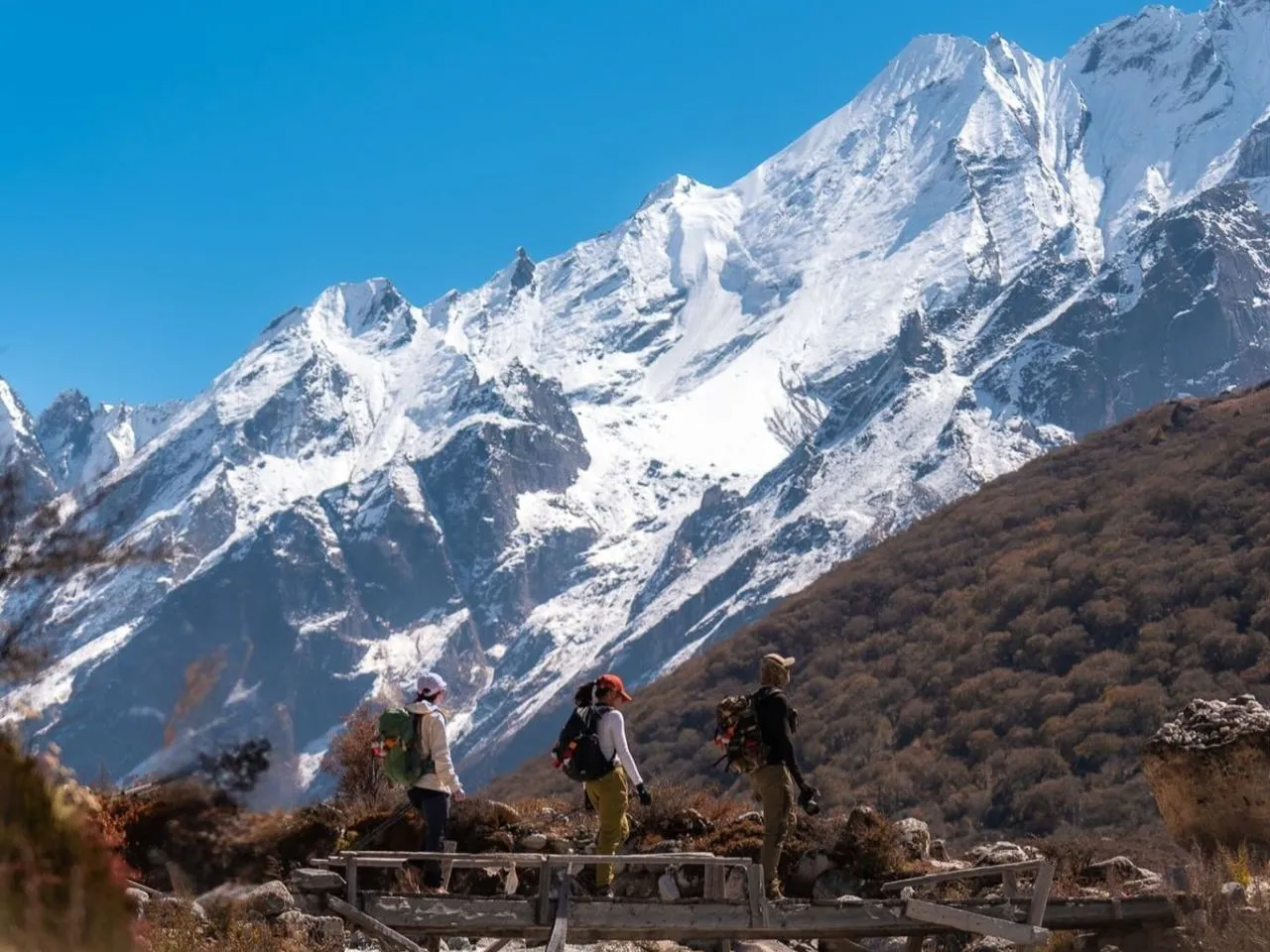
Luksusowa wędrówka Langtang – 10 dni
Luksusowa wędrówka Langtang – 10 dni
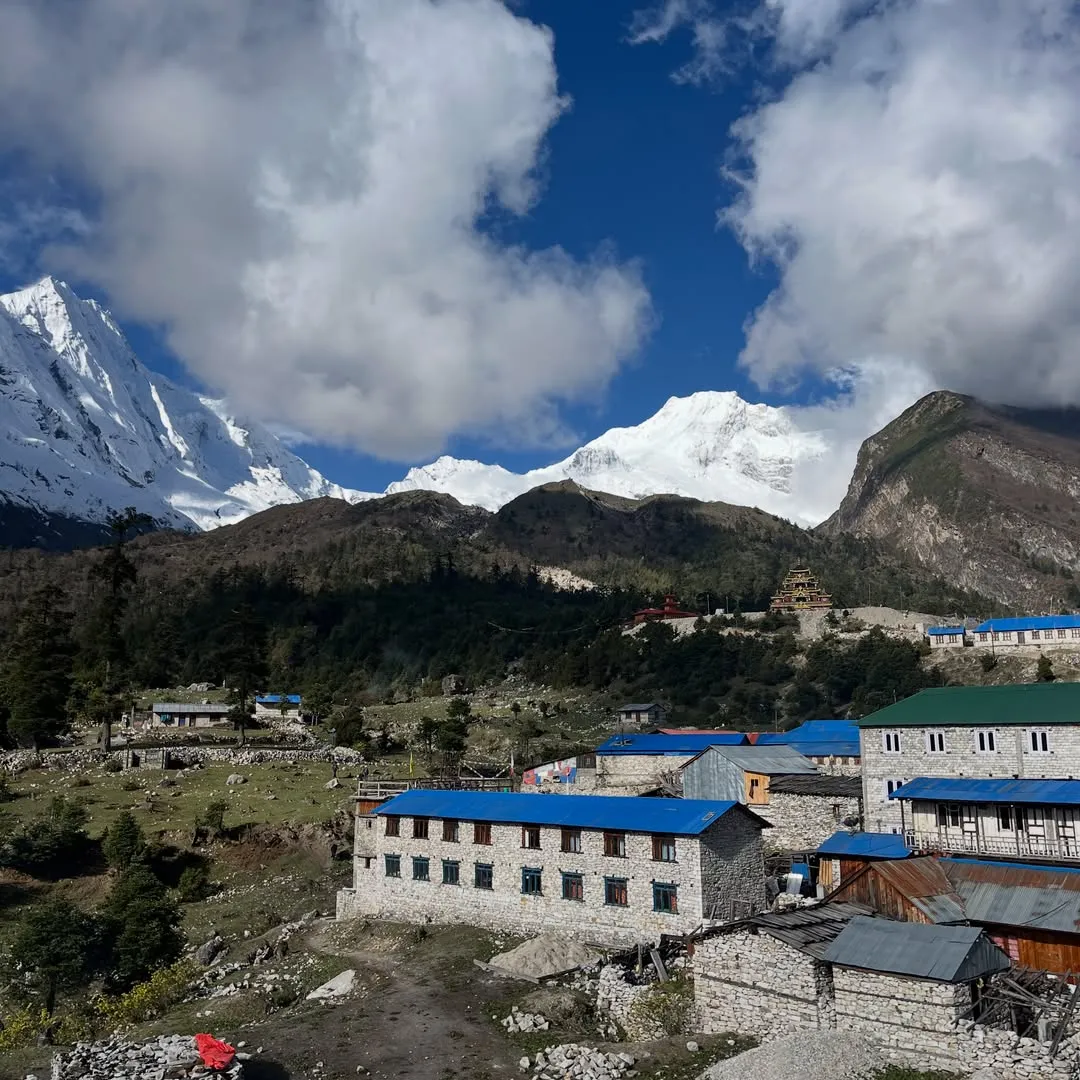
Wędrówka rodzinna Manaslu – 12 dni
Wędrówka rodzinna Manaslu – 12 dni
Luksusowa wędrówka Manaslu – 14 dni
Luksusowa wędrówka Manaslu – 14 dni

Manaslu Fotografia wędrówka – 17 dni
Manaslu Fotografia wędrówka – 17 dni
 English
 Deutsch
 Svenska
 Dansk
Dansk Русский
 Français
 Português
 Español
 Polski
 简体中文
简体中文 日本語
日本語 ไทย
ไทย العربية
 한국어
한국어