
szybka odpowiedź
For genuine cultural immersion beyond Rara Lake, choose a 16 to 18 day Mugu Cultural trek that loops from Jumla to Rara, then west to Gamgadhi, Khatyad, Pina, and back through Bichhapa. The standard 9 day Rara Lake trek touches the shoreline and returns, missing the Mugu villages where Tibetan Buddhist culture still runs deep. Budget $1,800 to $2,400 per person for the longer itinerary, plus $200 for homestay contributions.
Szczegółowy podział
Mugu District sits in the far northwest and borders Tibet across the Takhla La. The people speak a dialect of Tibetan, practice Bon and Buddhism together, and live in three valley clusters: Gamgadhi near Rara, Khatyad up the Mugu Karnali, and Pina close to the Tibetan frontier. The cultural prize is the winter migration story, the row of chortens outside each village, and the ancient salt trade route that still shows in the paved paths above Khatyad.
The 9 day Rara Lake trek flies into Jumla, walks to the lake in three days, circles the shore, and returns. Trekkers leave thinking they have seen Mugu, when in fact they have only seen the gateway. The 16 to 18 day cultural itinerary continues west from Rara to Gamgadhi, then north up the Mugu Karnali to Khatyad, and across to Pina before returning through Bichhapa to Jumla. Each village hosts a homestay night, and the pace allows for monastery visits, barley harvest participation, and conversations through translators.
Podział kosztów/komponentów
| składnik | 9 Day Rara Lake Trek | 18 Day Mugu Cultural Trek |
|---|---|---|
| Nepalgunj to Jumla flights | $280 | $280 |
| Rara National Park Permit and TIMS | $35 | $35 |
| Guide and cultural translator | $180 | $360 |
| tragarz | $120 | $240 |
| Herbaciarnia i zakwaterowanie w domu | $200 | $420 |
| Posiłki (pełne wyżywienie) | $200 | $420 |
| Homestay contributions and donations | $0 | $200 |
| Camping equipment (Khatyad and Pina) | $0 | $180 |
| Łącznie na osobę | $1,015 | $2,135 |
Co wpływa na odpowiedź
Three factors decide whether your Mugu trek delivers cultural depth. First, time in village: a single night per village is not enough. Plan two nights in Khatyad and Pina to allow monastery visits and unstructured time with families. Second, translator quality: a guide who speaks Mugu dialect is rare, and a Nepali only guide misses nuance. Ask for a translator who grew up in the district. Third, season: August and September overlap with the barley harvest, when village life is most visible. October is clearer but quieter culturally.
Wskazówki dotyczące rezerwacji
Ask the operator for a sample village schedule that shows two night stays in Khatyad and Pina. Confirm the homestay rotation plan, because four to five families per village should host rather than one wealthy household. Carry small gifts like reading glasses, needles, and thread rather than sweets. Bring a printed phrasebook in Nepali and Tibetan script. Pay the homestay contribution through the operator at $10 per night per family, and tip the translator separately at the end.
Porównanie z alternatywami
The standard 9 day Rara Lake trek costs $1,000 and is the right choice for trekkers with limited time. Limi Valley trek in 18 to 22 days costs $3,000 to $3,600 and offers deeper Tibetan culture across the border watershed. Upper Dolpo in 22 days costs $3,500 to $4,500 and matches Mugu for cultural isolation but at higher cost and permit complexity.
Częste błędy, których należy unikać
Booking the 9 day version and expecting cultural immersion. Rara Lake is a nature trek, not a culture trek. Skipping the Khatyad extension. That is where the deepest Mugu culture sits. Bringing sweets for children. Locals prefer useful items and sweets create dental problems in remote villages. Photographing inside monasteries without asking. Always request permission and respect no photography signs. Treating the guide as a porter. A cultural guide is your translator and cultural broker, not your gear carrier.
FAQ
How long is the Mugu Cultural trek?
16 to 18 days from Jumla, including two night stays in Khatyad and Pina villages. Shorter versions skip the cultural core.
What is the best season for Mugu cultural immersion?
Late August to early October. The barley harvest in August and September brings the most village activity.
Do I need a special permit for Mugu?
No restricted area permit for the standard loop, but Rara National Park entry at $25 and TIMS at $10 are required. Treks toward the Tibetan frontier may need additional approval.
Are homestays comfortable in Mugu?
Basic. Expect a shared room, squat toilet, and dal bhat meals. Bring a sleeping bag rated to minus 5 C and a sleeping liner.
Is the Mugu Cultural trek safe?
Yes, but only with a guide and translator. Trails are remote, phone signal is sparse, and altitude reaches 4,200 m at the Pina approach.
zbiorczy
A 16 to 18 day Mugu Cultural trek itinerary past Rara Lake delivers the genuine immersion that the 9 day Rara loop cannot. Plan two nights in Khatyad and Pina, hire a translator who knows the Mugu dialect, and budget $2,100 to $2,400 per person including homestay contributions. The reward is access to a Tibetan Buddhist culture that few foreign trekkers ever see.
wnioskowanie
Choose the longer Mugu Cultural itinerary even if your dates feel tight. The whole point of going to Mugu is to step past Rara Lake into villages where salt trade stories still live. A compressed 9 day trip leaves you with the lake and nothing else. Slow down, pay the homestay contribution, and bring a translator who can open doors that a regular guide cannot.
Zalecane pakiety Trek
Miejsca trekkingowe do zwiedzania
Explore Trips in Nepal
Hand-picked guided trips to this destination
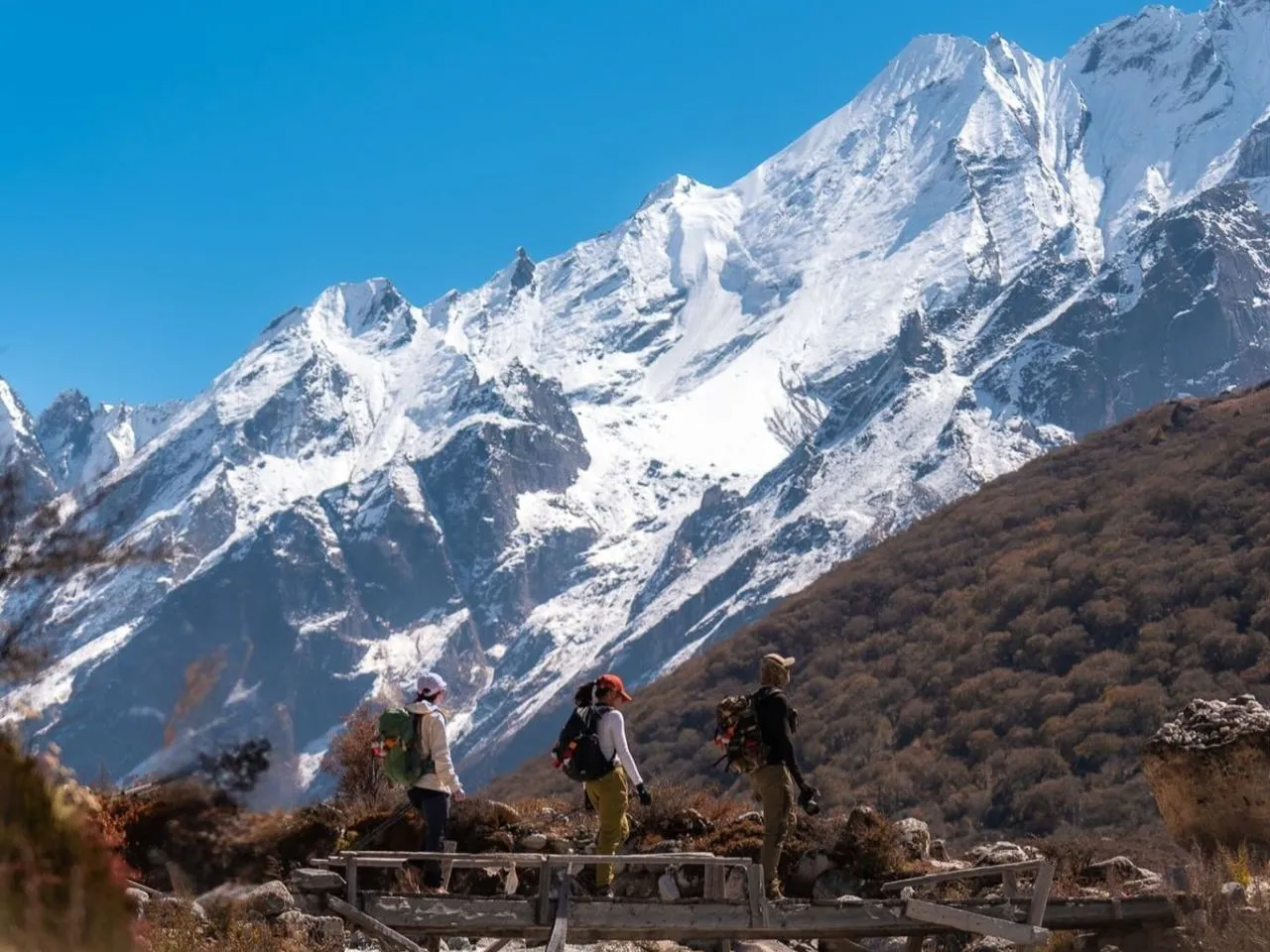
Luksusowa wędrówka Langtang – 10 dni
Luksusowa wędrówka Langtang – 10 dni
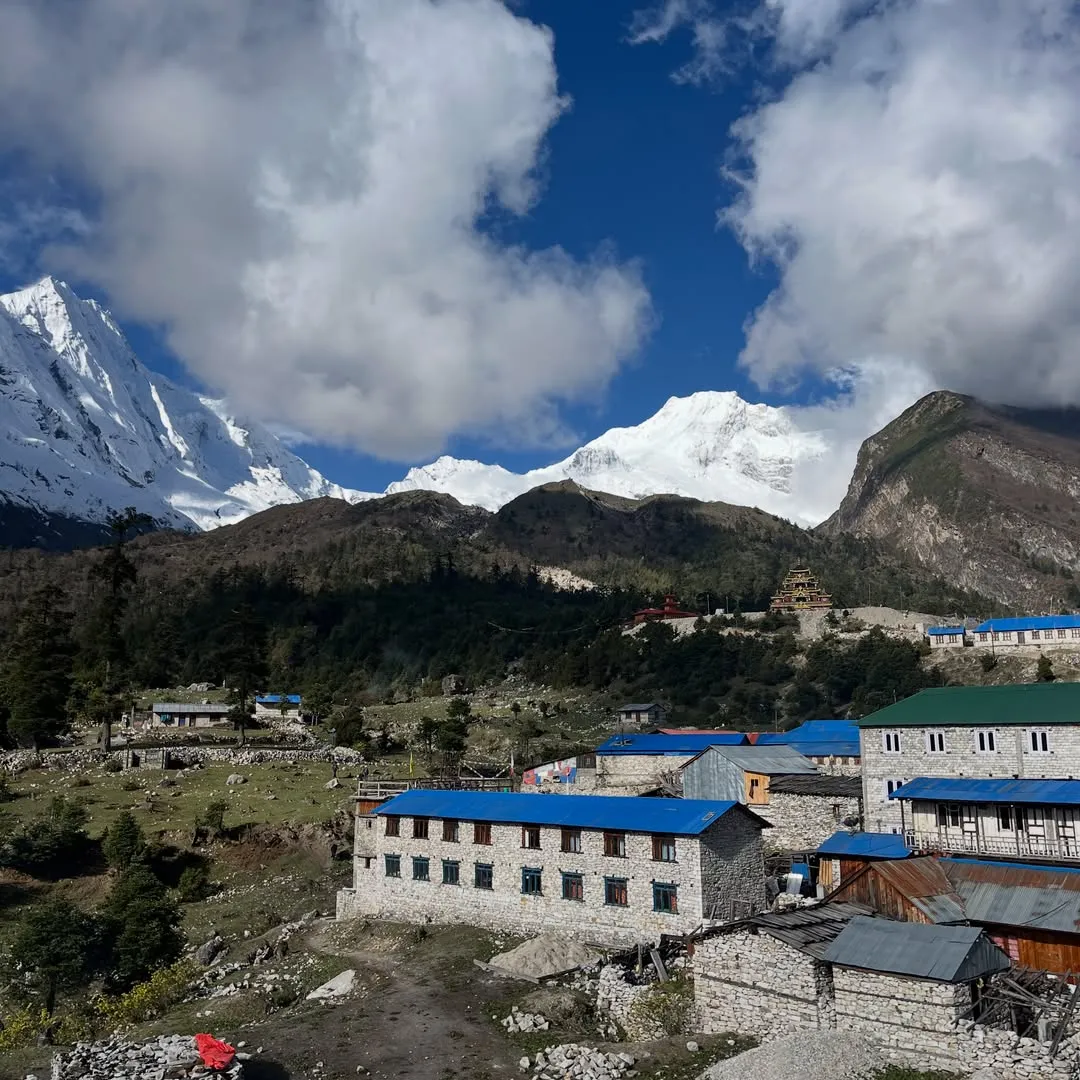
Wędrówka rodzinna Manaslu – 12 dni
Wędrówka rodzinna Manaslu – 12 dni
Luksusowa wędrówka Manaslu – 14 dni
Luksusowa wędrówka Manaslu – 14 dni

Manaslu Fotografia wędrówka – 17 dni
Manaslu Fotografia wędrówka – 17 dni
 English
 Deutsch
 Svenska
 Dansk
Dansk Русский
 Français
 Português
 Español
 Polski
 简体中文
简体中文 日本語
日本語 ไทย
ไทย العربية
 한국어
한국어