
szybka odpowiedź
Altitude sickness is a major risk on the Manaslu Tsum Valley Trek. The 16 to 21 day itinerary spends 6 nights above 4,000 m and crosses the 5,106 m Larkya La pass. Mild AMS rates run 12 to 18 percent on fast itineraries versus 3 to 6 percent on standard itineraries with 2 acclimatization days at Samagaon at 3,520 m and Samdo at 3,860 m. Carry Diamox at 125 mg twice daily above 3,500 m and a pulse oximeter for twice daily checks.
Szczegółowy podział
The route starts at Soti Khola at 730 m and climbs the Budhi Gandaki valley for 8 days to Samagaon at 3,520 m on the Manaslu Circuit section. The Tsum Valley branch splits at Lokpa at 2,040 m and climbs to Mu Gompa at 3,700 m over 4 days. Combined Manaslu Tsum itineraries spend 5 to 7 days in the Tsum Valley before returning to the main Manaslu route at Deng or Namrung.
The altitude profile shows 5,700 m of total ascent from Soti Khola to Larkya La at 5,106 m, well above the recommended 300 to 500 m per night sleeping gain above 3,000 m. The 3 standard acclimatization days are at Namrung at 2,630 m, Samagaon at 3,520 m, and Samdo at 3,860 m. Day 14 crosses Larkya La at 5,106 m with a 1,400 m descent to Bimthang at 3,720 m in a single day, the most demanding altitude exposure of the trek.
Podział kosztów/komponentów
| składnik | szczegół | Koszt USD |
|---|---|---|
| Zezwolenie na ograniczone Manaslu | Wrzesień do listopada | $100 for 7 days, $15 per extra day |
| Tsum Valley Restricted Permit | Same season | $40 for 7 days, $10 per extra day |
| Pozwolenie MCAP | odpowiedni | $30 |
| pozwolenie na acap | For Dharapani exit | $30 |
| Karta Timsa | odpowiedni | $20 |
| 18 day teahouse trek | Full board with guide | $1,800 do $2 800 |
Co wpływa na odpowiedź
Itinerary speed is the biggest factor. The 16 day fast itinerary skips the Samagaon acclimatization day and triggers mild AMS in 12 to 18 percent of trekkers. The 21 day standard itinerary with 3 acclimatization days keeps AMS rates at 3 to 6 percent. Crossing Larkya La at 5,106 m after a 3,860 m Samdo sleep is the second factor because the 1,246 m ascent exceeds the 500 m daily gain rule.
Individual susceptibility is the third factor. Trekkers with prior altitude sickness have a 60 to 70 percent recurrence rate. Hydration is the fourth factor. Above 4,000 m the body loses 1.5 to 2 L of water per day, and trekkers drinking 3 to 4 L per day see 20 to 30 percent lower AMS rates.
Wskazówki dotyczące rezerwacji
Book the 18 to 21 day itinerary with 3 acclimatization days at Namrung, Samagaon, and Samdo. Carry Diamox at 125 mg twice daily from Namrung onwards. Carry a pulse oximeter and check blood oxygen saturation twice daily. Readings below 82 percent at Samdo mean you should descend or add a rest day. Sleep with the head end of the bed raised 10 to 15 cm to reduce nighttime headache.
Porównanie z alternatywami
The Manaslu Circuit at 5,106 m needs 2 acclimatization days on a 14 to 18 day itinerary with mild AMS rates of 4 to 8 percent. The Annapurna Circuit at 5,416 m Thorong La needs 2 acclimatization days on a 14 to 18 day itinerary with 6 to 10 percent mild AMS. The Three Passes Trek at 5,535 m Kongma La needs 3 acclimatization days on an 18 to 21 day itinerary with 5 to 9 percent mild AMS.
Częste błędy, których należy unikać
Trekkers often skip the Samagaon acclimatization day to save USD 100 to USD 150 and walk straight to Samdo at 3,860 m. The 1,700 m ascent from 2,630 m at Namrung to 3,860 m at Samdo in 2 days triggers moderate AMS in 12 to 18 percent of cases.
A second mistake is crossing Larkya La in poor weather. Snowfall above 4,500 m reduces visibility to 5 to 10 m and 4 to 6 trekkers per year require helicopter evacuation. Wait 1 day at Samdo for clear weather.
FAQ
Is altitude sickness a major risk on the Manaslu Tsum Valley Trek? Yes. The 16 to 21 day itinerary spends 6 nights above 4,000 m and crosses the 5,106 m Larkya La. Mild AMS rates run 12 to 18 percent on fast itineraries versus 3 to 6 percent on standard itineraries with acclimatization.
How many acclimatization days are needed? Three on the standard 18 to 21 day itinerary, at Namrung at 2,630 m, Samagaon at 3,520 m, and Samdo at 3,860 m. Add a fourth at Mu Gompa at 3,700 m on the Tsum Valley branch.
Do I need Diamox for Manaslu Tsum? Recommended above 3,500 m at 125 mg twice daily from Namrung onwards. Side effects include tingling in fingers and increased urination.
Jaka jest najwyższa wysokość spania? Samdo at 3,860 m on night 13. Day 14 crosses Larkya La at 5,106 m with a 1,400 m descent to Bimthang at 3,720 m.
zbiorczy
Altitude sickness is a major risk on the Manaslu Tsum Valley Trek because the route spends 6 nights above 4,000 m and crosses the 5,106 m Larkya La. Carry Diamox, plan 3 acclimatization days at Namrung, Samagaon, and Samdo, and book the 18 to 21 day itinerary for AMS rates of 3 to 6 percent.
wnioskowanie
Altitude sickness is a real risk on the Manaslu Tsum Valley Trek. Plan 3 acclimatization days, carry Diamox and a pulse oximeter, and avoid the 16 day fast itinerary. Wait 1 day at Samdo for clear Larkya La weather and book evacuation insurance covering USD 5,000 to USD 8,000 in helicopter costs.
Zalecane pakiety Trek
Miejsca trekkingowe do zwiedzania
Explore Trips in Nepal
Hand-picked guided trips to this destination
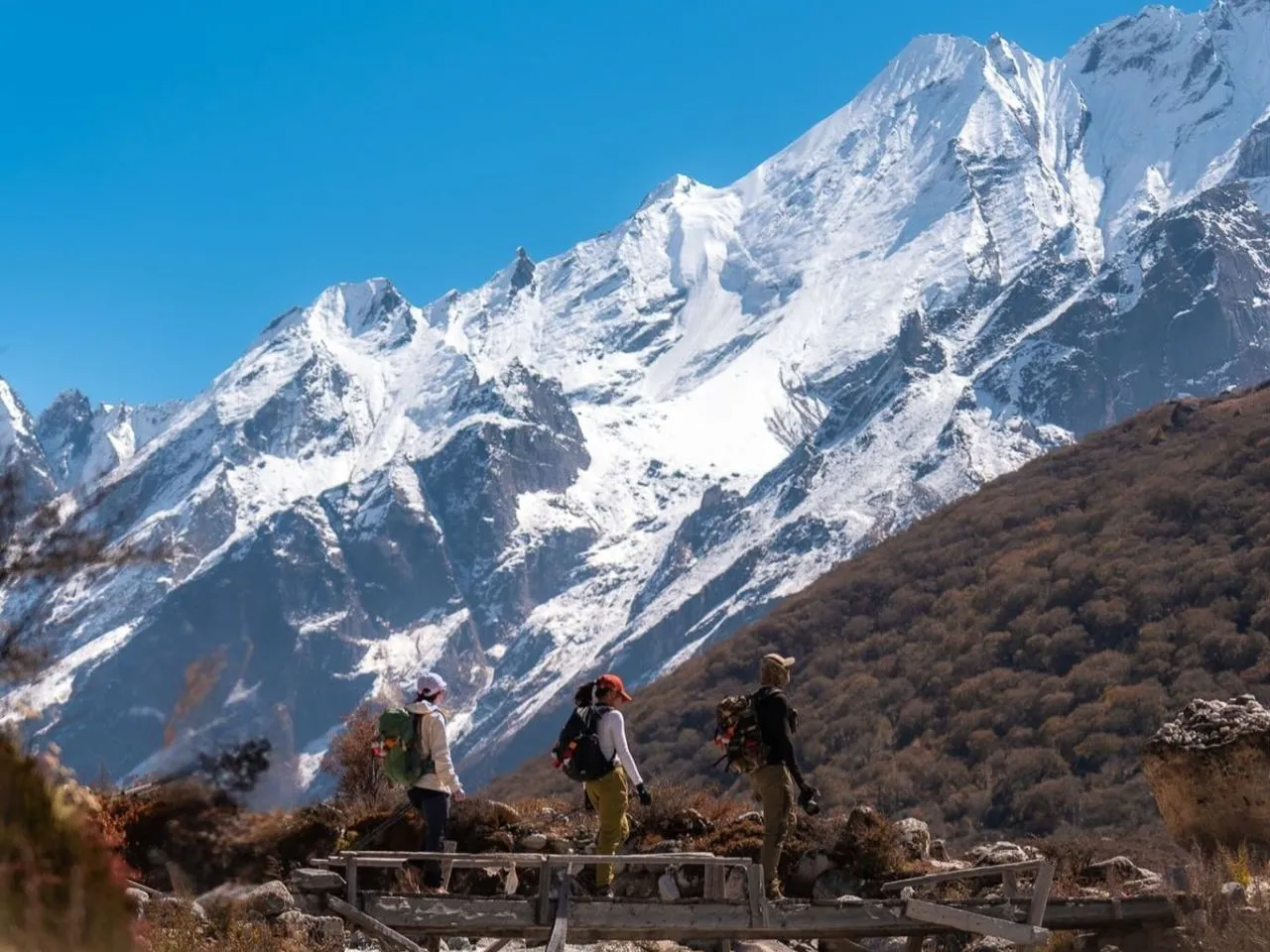
Luksusowa wędrówka Langtang – 10 dni
Luksusowa wędrówka Langtang – 10 dni
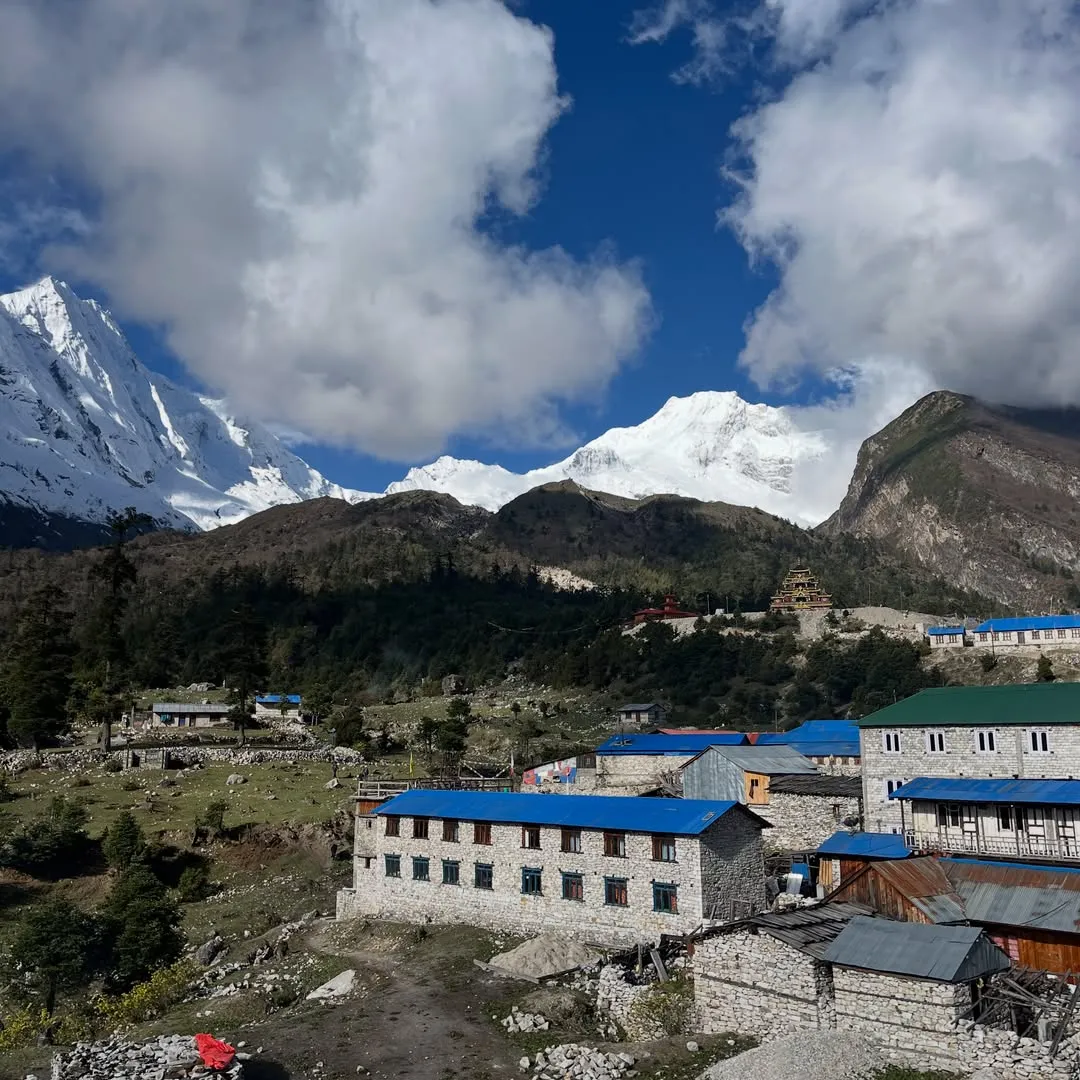
Wędrówka rodzinna Manaslu – 12 dni
Wędrówka rodzinna Manaslu – 12 dni
Luksusowa wędrówka Manaslu – 14 dni
Luksusowa wędrówka Manaslu – 14 dni

Manaslu Fotografia wędrówka – 17 dni
Manaslu Fotografia wędrówka – 17 dni
 English
 Deutsch
 Svenska
 Dansk
Dansk Русский
 Français
 Português
 Español
 Polski
 简体中文
简体中文 日本語
日本語 ไทย
ไทย العربية
 한국어
한국어