
szybka odpowiedź
The Mount Kailash via Humla route from Simikot at 2,950 m offers better acclimatization in 2027 and 2028, with 8 gradual days from Simikot to Lake Manasarovar at 4,575 m and the 5,638 m Drolma La pass crossing. AMS risk runs 15 percent on the Humla route versus 35 percent on the Lhasa to Kailash route, which starts at Lhasa at 3,650 m with only 4 to 5 days of adaptation before the pass. Pick the Humla route for acclimatization safety, the Lhasa route for cultural depth.
Szczegółowy podział
The Mount Kailash via Humla trek starts at Simikot at 2,950 m in Humla District, Far West Nepal, accessible via a 50 minute flight from Nepalgunj at 150 m. The route crosses into Tibet at Hilsa at 3,650 m via the Limi Valley or via the Karnali high route, then follows the Kailash Mansarovar pilgrimage trail to Lake Manasarovar at 4,575 m and the Kailash kora starting at Darchen at 4,575 m.
Podział kosztów/komponentów
| składnik | Humla Route (18 to 24 days) | Lhasa to Kailash (12 to 14 days) | Helicopter Humla (12 to 14 days) |
|---|---|---|---|
| Nepalgunj to Simikot flight round trip | $300 do $360 | Nieużywane | $300 do $360 |
| Kathmandu to Lhasa flight round trip | Nieużywane | $700 do $850 | Nieużywane |
| Pozwolenie na podróż do Tybetu w Chinach | $120 do $150 | $120 do $150 | $120 do $150 |
| Kailash entry fee | $200 do $250 | $200 do $250 | $200 do $250 |
| Karta Timsa | $17 | Niewymagane | $17 |
| Przewodnik i załoga | $1,200 do $1,800 | $800 do $1,200 | $1,000 do $1,500 |
| Yaks and porters for kora | $200 do $300 | $200 do $300 | $200 do $300 |
| Zakwaterowanie i posiłki | $600 do $900 | $500 do $750 | $400 do $600 |
| Transport in Tibet | $400 do $600 | $600 do $900 | $400 do $600 |
| Helicopter Kathmandu to Hilsa | Nieużywane | Nieużywane | $1,500 to $2,200 shared |
| Ubezpieczenie ewakuacji helikopterem | $120 do $180 | $120 do $180 | $120 do $180 |
| Łącznie na osobę | $3,200 do $4,800 | $3,200 do $4,500 | $4,000 to $6,000 |
Co wpływa na odpowiedź
Three factors drive the acclimatization choice. First, starting altitude. The Humla route starts at Simikot at 2,950 m with a flight from Nepalgunj at 150 m, allowing gradual ascent. The Lhasa route starts at Lhasa at 3,650 m with a flight from Kathmandu at 1,400 m, depositing trekkers at altitude with no gradual adaptation.
Wskazówki dotyczące rezerwacji
Book Kailash packages 12 weeks ahead for Saga Dawa festival departures in May or June, since the Chinese Tibet Travel Permit takes 4 to 6 weeks and the 300 daily foreign pilgrim quota fills 8 weeks ahead. Ask for an operator with documented Kailash experience and Tibetan Chinese speaking guides.
Porównanie z alternatywami
The helicopter Humla route at $4,000 to $6,000 skips the Simikot to Hilsa trekking section, flying directly to Hilsa at 3,650 m. This option saves 4 to 6 days but raises AMS risk to 25 percent due to the abrupt altitude gain. The Lhasa plus EBC extension at $4,500 to $6,500 adds the Everest Base Camp North side trip at 5,200 m, requiring 18 to 22 days.
Częste błędy, których należy unikać
Do not book the Lhasa to Kailash route without prior 4,500 m sleep in the last 6 months. The 3,650 m starting altitude with limited adaptation window triggers AMS in 35 to 50 percent of trekkers without prior exposure.
FAQ
Which Kailash route has better acclimatization?The Mount Kailash via Humla route from Simikot at 2,950 m, with 8 gradual days to Manasarovar at 4,575 m before the 5,638 m Drolma La crossing. AMS risk runs 15 percent versus 35 percent on the Lhasa route.
How long does the Humla Kailash route take?18 to 24 days, including Nepalgunj to Simikot flight, 7 to 8 days trekking and driving to Darchen, the 3-day Kailash kora, and 2 to 3 return days. Trekkers with limited time can shorten to 12 to 14 days with helicopter return.
How high is the Drolma La pass?5,638 m on day 2 of the Kailash kora, the highest point on the standard route. The crossing requires a 1,063 m climb from Dirapuk at 4,750 m and a 1,400 m descent to Zuthulpuk at 4,750 m. Start at 4 am to avoid afternoon cloud.
What permits does the Kailash trek require?Chinese Tibet Travel Permit at $120 to $150, Kailash entry fee at $200 to $250, and TIMS at $17. The Humla route also requires a Humla restricted area consideration. Allow 4 to 6 weeks for permit processing.
What is the AMS risk on the Kailash trek?15 percent on the Humla route with 8 gradual days to Manasarovar. 35 percent on the Lhasa route with limited adaptation. Risk drops to 8 percent with prior 5,000 m sleep and Diamox prophylaxis. Carry a Gamow bag for groups of 4 or more.
zbiorczy
The Mount Kailash via Humla route from Simikot at 2,950 m offers better acclimatization, with 8 gradual days to Manasarovar at 4,575 m and the 5,638 m Drolma La crossing. AMS risk runs 15 percent versus 35 percent on the Lhasa route. Cost runs $3,200 to $4,800 per person for 18 to 24 days.
wnioskowanie
Pick the Humla route at $3,200 to $4,800 for the best acclimatization profile, with 8 gradual days from Simikot to Manasarovar before the 5,638 m Drolma La. Avoid the Lhasa route unless you have prior 5,000 m sleep and accept 35 percent AMS risk. Book 12 weeks ahead through a Kathmandu based operator with Kailash experience, carry 30,000 rupees plus $500 USD cash, Diamox tablets, and a minus 20 Celsius sleeping bag. The Humla route delivers the safest Kailash pilgrimage for trekkers without prior extreme altitude exposure.
Zalecane pakiety Trek
Miejsca trekkingowe do zwiedzania
Explore Trips in Nepal
Hand-picked guided trips to this destination
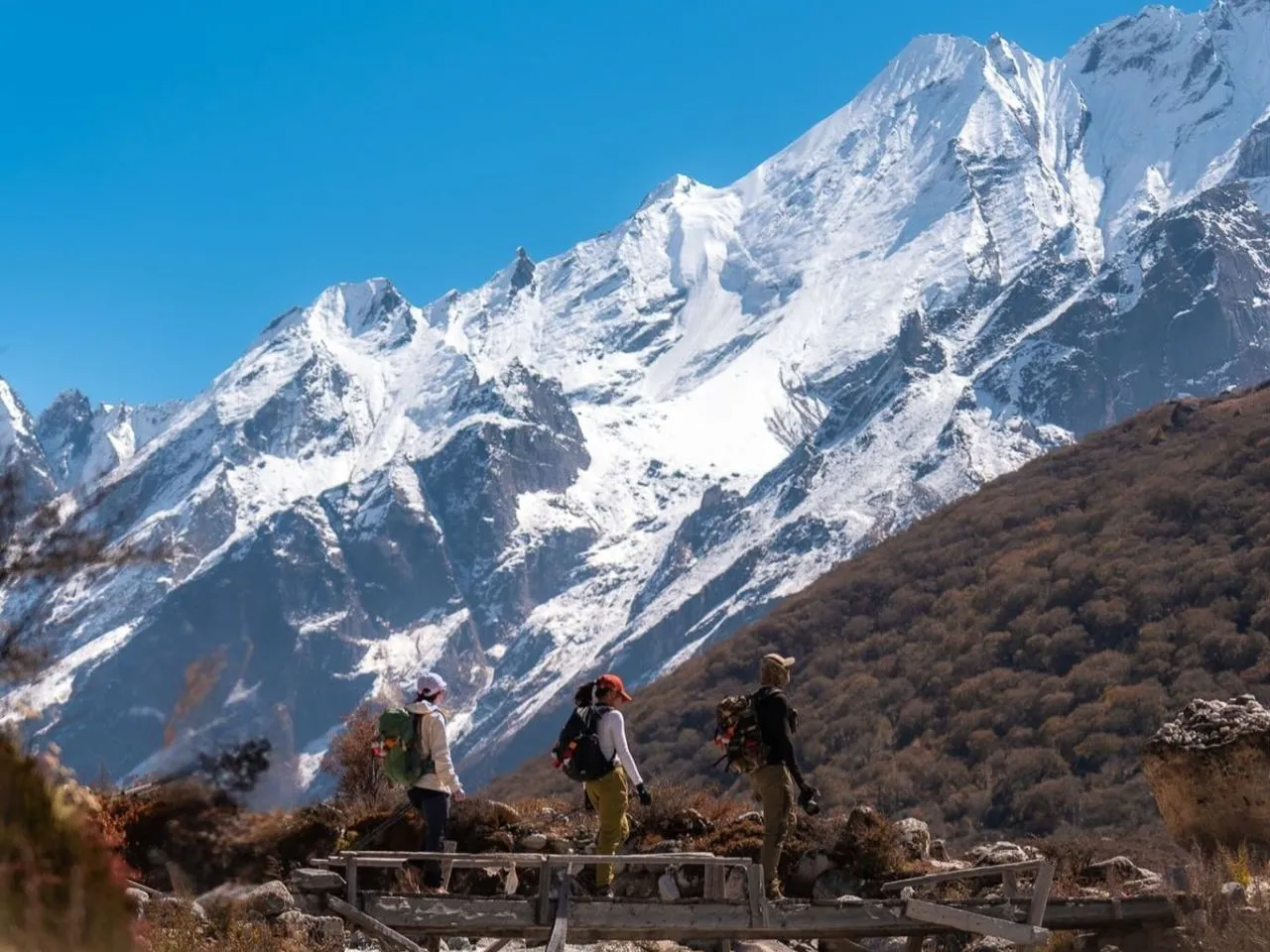
Luksusowa wędrówka Langtang – 10 dni
Luksusowa wędrówka Langtang – 10 dni
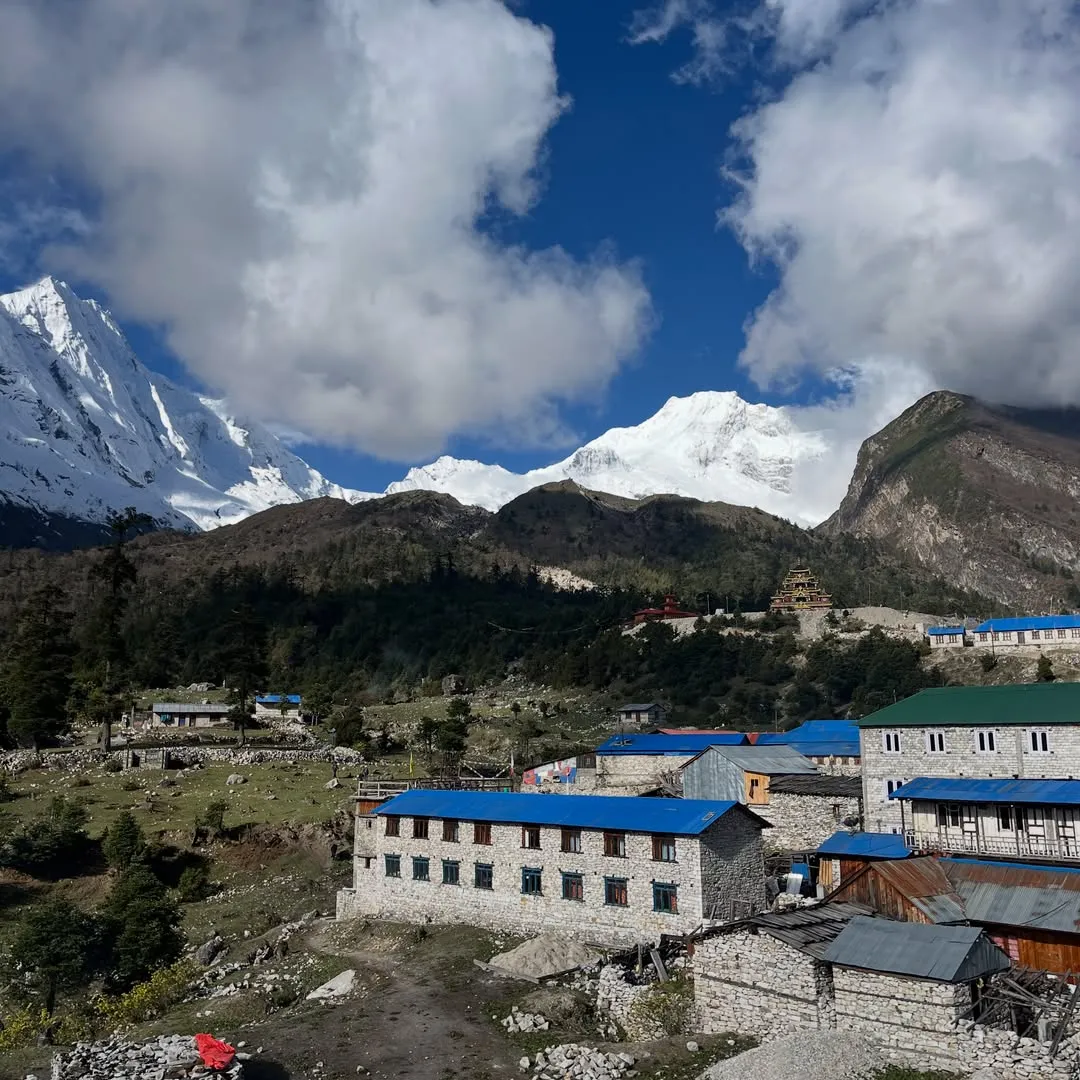
Wędrówka rodzinna Manaslu – 12 dni
Wędrówka rodzinna Manaslu – 12 dni
Luksusowa wędrówka Manaslu – 14 dni
Luksusowa wędrówka Manaslu – 14 dni

Manaslu Fotografia wędrówka – 17 dni
Manaslu Fotografia wędrówka – 17 dni
 English
 Deutsch
 Svenska
 Dansk
Dansk Русский
 Français
 Português
 Español
 Polski
 简体中文
简体中文 日本語
日本語 ไทย
ไทย العربية
 한국어
한국어