
szybka odpowiedź
Trekkers with high altitude experience but limited climbing skills need 12 weeks of focused training for Island Peak at 6,189 m. Add fixed line travel, crampon use, ice axe arrest, and abseil practice to your trekking base. Summit day covers 1,100 m of ascent on 40 to 50 degree snow slopes. Climbing success rates run 85 to 90 percent with proper training.
Szczegółowy podział
Island Peak, or Imja Tse, rises to 6,189 m in the Khumbu region east of Everest. The standard route from Island Peak Base Camp at 5,100 m follows a rocky trail to High Camp at 5,600 m, then crosses a glacier to a 100 m headwall of 40 to 50 degree snow and ice. The headwall is fixed with ropes each season, and climbers use jumars to ascend and abseil devices to descend. The summit day covers 1,100 m of ascent over 8 to 12 hours round trip.
Trekkers already have the aerobic base. What they lack is technical climbing skill. The 12 week training plan adds 4 modules to the trekking base. Module one is fixed line travel, practised at an indoor climbing wall or a sport crag with a top rope. Module two is crampon use on hard snow, practised on a glacier course in the Alps or Rockies. Module three is ice axe arrest, practised on a 30 degree snow slope. Module four is abseil practice with a friction device, practised at a sport crag.
Podział kosztów/komponentów
| składnik | szczegół | Koszt USD |
|---|---|---|
| 12 week training plan | Online coach | $200 do $400 |
| Indoor climbing pass | 3 months | $120 do $240 |
| Glacier skills course | 2 days, Alps or Rockies | $300 do $600 |
| Personal climbing gear | Boots, harness, axe, crampons | $700 do $1,400 |
| Pozwolenie na Park Narodowy Sagarmatha | na osobę | $30 |
| Island Peak Climbing Permit | NMA fee | $70 |
| Climbing guide and crew | 16 days, full package | $2,200 do $3,200 |
| Łącznie na osobę | 16 days ex Kathmandu | $3,500 do $5,200 |
Co wpływa na odpowiedź
Prior altitude experience is the biggest factor. Trekkers who have already crossed a 5,500 m pass on a Three Passes or EBC trek are well prepared for the 6,189 m summit. Trekkers whose highest prior altitude is 4,500 m need to add a pre climb acclimatisation trek in Khumbu. Age matters less than fitness, but climbers over 55 should plan one extra rest day at base camp.
Climbing route conditions matter too. In spring from March to May, the headwall is firm snow, ideal for cramponing. In autumn from October to November, the headwall can be bare ice in places, which is harder. Wind is the third factor. Summit day wind above 30 km per hour usually means turning back, so build in a 2 day weather window.
Wskazówki dotyczące rezerwacji
Book through a Kathmandu based agency with a Nepal Mountaineering Association certified climbing guide. Confirm the guide has summited Island Peak at least 5 times. Ask the agency to provide fixed ropes on the headwall and to carry a 50 m rescue rope, ice screws, and supplemental oxygen. Book a 16 to 18 day itinerary that includes an EBC acclimatisation trek before the climb. Avoid 12 day express itineraries, which cut acclimatisation and halve summit success.
Porównanie z alternatywami
Compared with Mera Peak at 6,476 m, Island Peak is technically harder because of the 100 m headwall, but the summit day is shorter. Compared with Lobuche East at 6,119 m, Island Peak has a similar headwall but a longer summit day. Compared with Kyajo Ri at 6,186 m, Island Peak is more popular and better supported. Compared with a trekking peak like Yala Peak at 5,520 m, Island Peak needs real climbing skills, not just walking.
Częste błędy, których należy unikać
Trekkers often skip the glacier skills course, then struggle with crampons on the headwall. A second is booking a 12 day express itinerary, which doubles AMS risk on summit day. A third is using borrowed boots that do not fit, which causes blisters and frostbite. A fourth is underestimating the cold on summit day, when temperatures hit minus 15 to minus 25 Celsius even in May.
FAQ
How should I train for Island Peak with trekking but limited climbing experience? Train 12 weeks. Add fixed line travel, crampon use, ice axe arrest, and abseil practice. Take a 2 day glacier skills course in the Alps or Rockies.
What climbing skills do I need for Island Peak? Fixed line travel with a jumar, crampon use on 40 to 50 degree snow, ice axe arrest, and abseil with a friction device. A climbing guide fixes the headwall ropes each season.
What is the summit day like on Island Peak? 8 to 12 hours round trip from High Camp at 5,600 m, with 600 m of ascent to the headwall, a 100 m rope climb, and a final ridge walk to the summit at 6,189 m. Temperatures hit minus 15 to minus 25 Celsius.
What is the success rate for Island Peak? 85 to 90 percent with proper training and a 16 to 18 day itinerary. Trekkers on 12 day express itineraries drop to 60 percent because of inadequate acclimatisation.
zbiorczy
Trekkers with high altitude experience but limited climbing skills need 12 weeks of focused training for Island Peak at 6,189 m. Add fixed line travel, crampon use, ice axe arrest, and abseil practice. Summit day covers 1,100 m on 40 to 50 degree snow. Success rates run 85 to 90 percent with proper training and a 16 to 18 day itinerary.
wnioskowanie
For trekkers heading to Island Peak in 2027 to 2030, train 12 weeks, take a glacier skills course, and book a 16 to 18 day itinerary with an NMA certified guide. The technical climbing is manageable with focused practice, but the altitude and cold are unforgiving. Proper training is the difference between a successful summit and a costly retreat.
Zalecane pakiety Trek
Miejsca trekkingowe do zwiedzania
Explore Trips in Nepal
Hand-picked guided trips to this destination
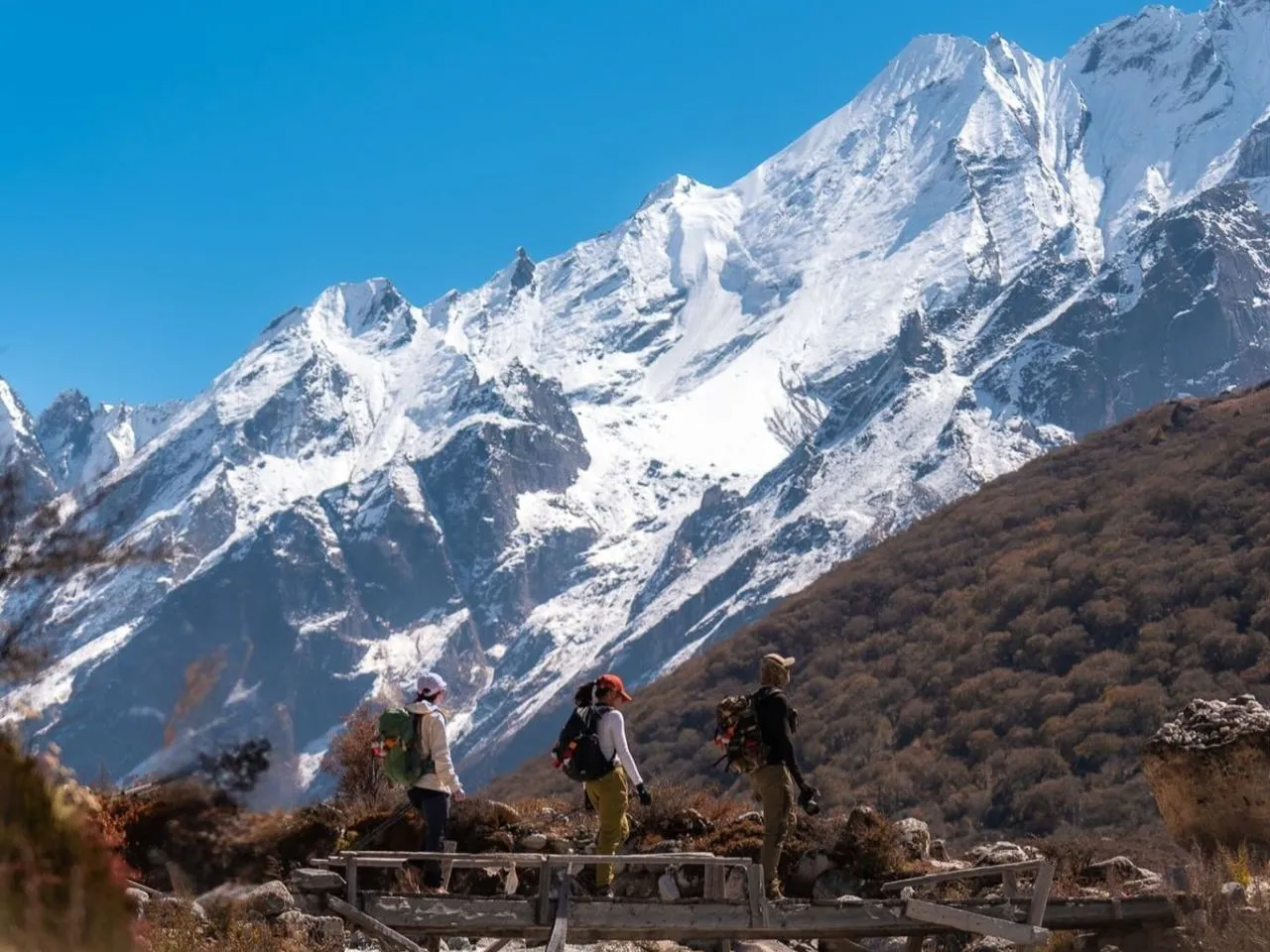
Luksusowa wędrówka Langtang – 10 dni
Luksusowa wędrówka Langtang – 10 dni
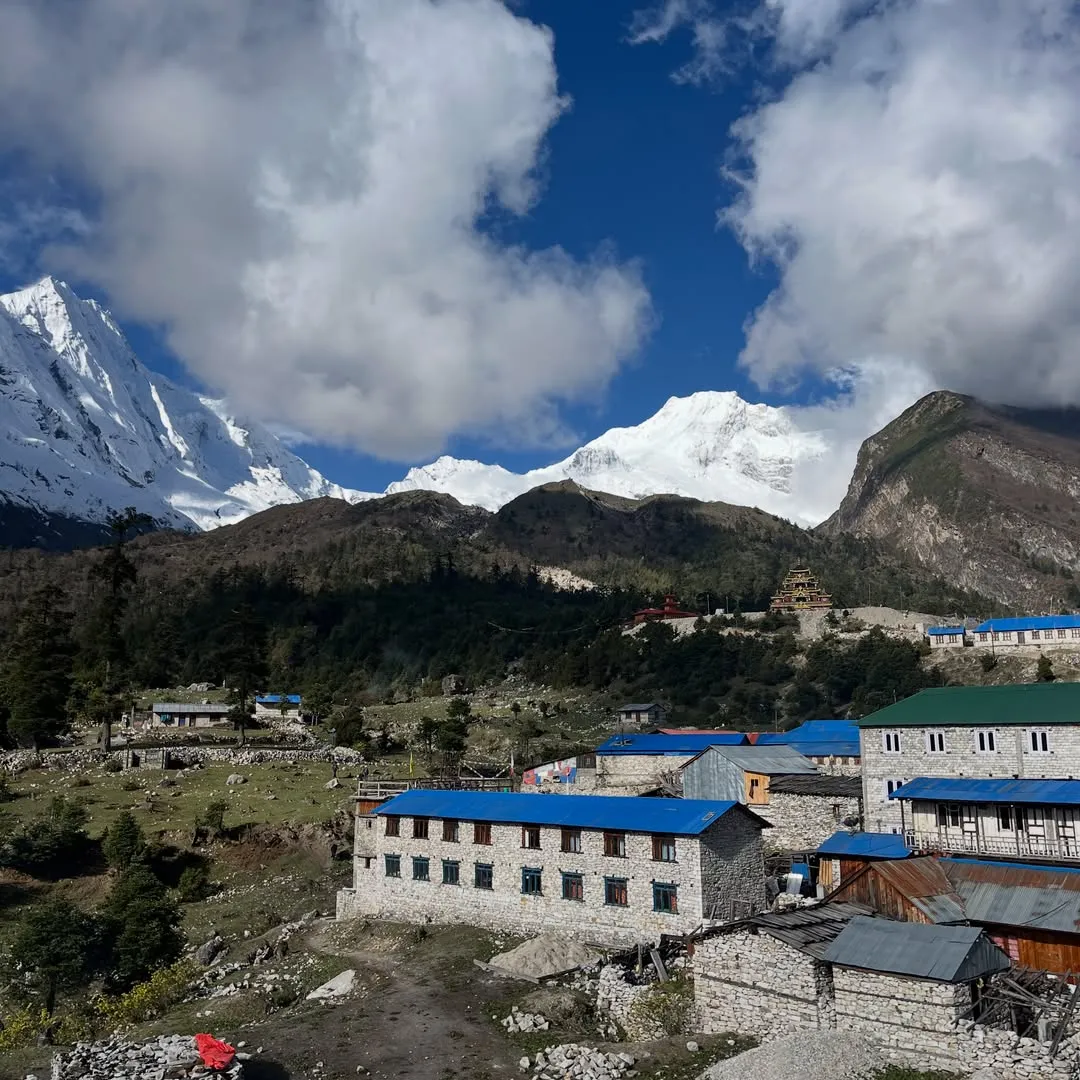
Wędrówka rodzinna Manaslu – 12 dni
Wędrówka rodzinna Manaslu – 12 dni
Luksusowa wędrówka Manaslu – 14 dni
Luksusowa wędrówka Manaslu – 14 dni

Manaslu Fotografia wędrówka – 17 dni
Manaslu Fotografia wędrówka – 17 dni
 English
 Deutsch
 Svenska
 Dansk
Dansk Русский
 Français
 Português
 Español
 Polski
 简体中文
简体中文 日本語
日本語 ไทย
ไทย العربية
 한국어
한국어