
Quick Answer
A guided Rara Lake trek should handle emergencies with five elements: a first aid kit including emergency oxygen and a pulse oximeter, satellite phone or radio contact for the group, a named helicopter evacuation plan via Talcha airstrip at 2,700m, travel insurance verification covering altitude to 4,000m, and a 24 hour Kathmandu hotline at the operator's office. For 2027 departures of 8 to 12 days, expect $900 to $1,400 per person with all emergency support included. Any quote that skips satellite contact or evacuation coverage is unsafe for this remote region.
Detailed Breakdown
The Rara Lake trek is an 8 to 12 day moderate route in far west Nepal, reaching 3,850m at the maximum altitude and centered on Rara Lake at 2,990m, Nepal's largest lake. The route starts from Jumla, reached by flight from Nepalgunj, and climbs through pine forest to the lake inside Rara National Park. The region is remote, with mobile signal absent on most of the route and the nearest proper medical facility 2 to 3 days away in Jumla. Emergency evacuation relies on the Talcha airstrip near the lake, which handles small helicopters and charter planes, weather permitting.
Because of the remoteness, emergency support is not optional. A first aid kit with oxygen, a satellite phone, and a written evacuation plan are the minimum safety standard.
Cost / Component Breakdown
| Emergency item | Cost (USD) | Must be included |
|---|---|---|
| First aid kit with oxygen and oximeter | $30 to $60 flat | Yes |
| Satellite phone rental | $30 to $60 | Yes |
| Helicopter evacuation coverage | $25 to $40 | Yes |
| Named Talcha airstrip rescue plan | No extra | Written in contract |
| 24 hour Kathmandu hotline | No extra | Operator provides |
| Rara National Park Permit + TIMS | $25 to $35 | Yes |
| Total emergency support cost | $80 to $160 per group | All included |
What Affects the Answer
The season affects rescue availability, with spring and autumn having better Talcha airstrip weather than winter or monsoon. Your group size changes the first aid kit contents, since a group of 6 needs more supplies than a couple. The route choice also matters, since a longer route via Gorosinghe or Bulbule needs more buffer days for evacuation delays. Whether you have pre-existing health conditions affects the insurance requirement, since some conditions need a specialist policy. Your age also matters, with over 60 trekkers needing more careful emergency planning.
The altitude you reach also affects the risk, since the 3,850m maximum is mild but not trivial for sea-level arrivals.
Booking Tips / Practical Advice
Ask the operator to confirm the first aid kit includes emergency oxygen, a pulse oximeter, and altitude medication. Verify the satellite phone is included and ask who carries it, the guide or a separate safety officer. Request a written evacuation plan that names Talcha airstrip as the primary rescue point and lists the guide's satellite phone number. Confirm the operator has a 24 hour Kathmandu hotline that the guide can call for evacuation, since some budget operators leave guides without backup. Buy travel insurance that covers altitude to 4,000m and helicopter rescue from Rara, since standard policies cap at 3,000m.
Carry a printed copy of the insurance policy, the 24 hour rescue hotline, and the policy number on the trek, and give a copy to your guide.
Comparison With Alternatives
Compared with Annapurna or Khumbu routes, Rara Lake needs stronger emergency support because of the remoteness and thin medical infrastructure. Compared with Khaptad, Rara has the Talcha airstrip advantage, making evacuation faster. Compared with Api Nampa, Rara is lower and shorter, but still needs satellite contact since mobile signal is absent.
Common Mistakes to Avoid
The biggest mistake is assuming mobile signal works on the Rara route. It does not, and a guide without satellite contact cannot arrange evacuation. Another error is buying travel insurance that caps altitude at 3,000m, which excludes the 3,850m maximum. Trekkers also forget to verify the Talcha airstrip rescue plan, since some operators say "we will arrange evacuation" without naming the airstrip or the hotline. Finally, do not accept a package that lists "first aid kit" without specifying oxygen and oximeter, since these are the altitude emergency essentials.
Frequently Asked Questions
Does the Rara Lake route have mobile signal?
No, on most of the route. A satellite phone is essential for emergency contact.
Where is the nearest evacuation point for Rara?
Talcha airstrip at 2,700m, near the lake. Helicopter rescue is possible from there, weather permitting.
What altitude should my insurance cover for Rara?
Minimum 4,000m, since the trek reaches 3,850m. Standard policies cap at 3,000m and will not cover you.
What should be in the Rara first aid kit?
Emergency oxygen, pulse oximeter, Diamox, bandages, and standard trail medications. Confirm with the operator.
Summary
A guided Rara Lake trek must handle emergencies with a first aid kit including oxygen, satellite phone contact, a named Talcha airstrip evacuation plan, insurance to 4,000m, and a 24 hour Kathmandu hotline. Confirm each in writing. Expect $900 to $1,400 per person for 8 to 12 days.
Conclusion
Rara Lake is remote and beautiful, but the remoteness means emergency support is non-negotiable. Demand oxygen in the first aid kit, satellite contact, a written Talcha evacuation plan, and insurance to 4,000m. The right preparation turns a medical event into a manageable situation, not a crisis.
Recommended Trek Packages
Trekking Places to Explore
Explore Trips in Nepal
Hand-picked guided trips to this destination
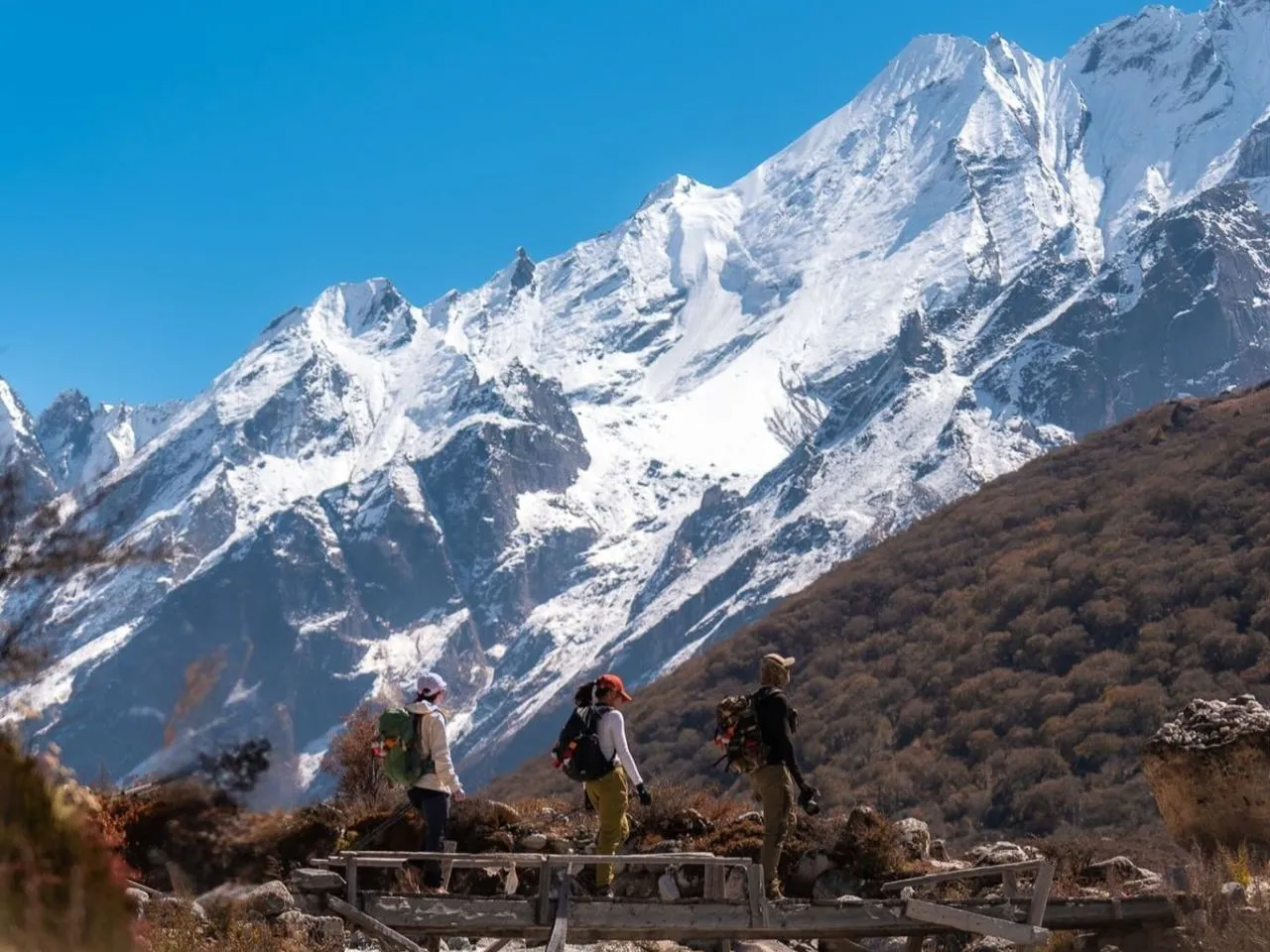
Langtang Luxury Trek – 10 Days
Langtang Luxury Trek – 10 Days
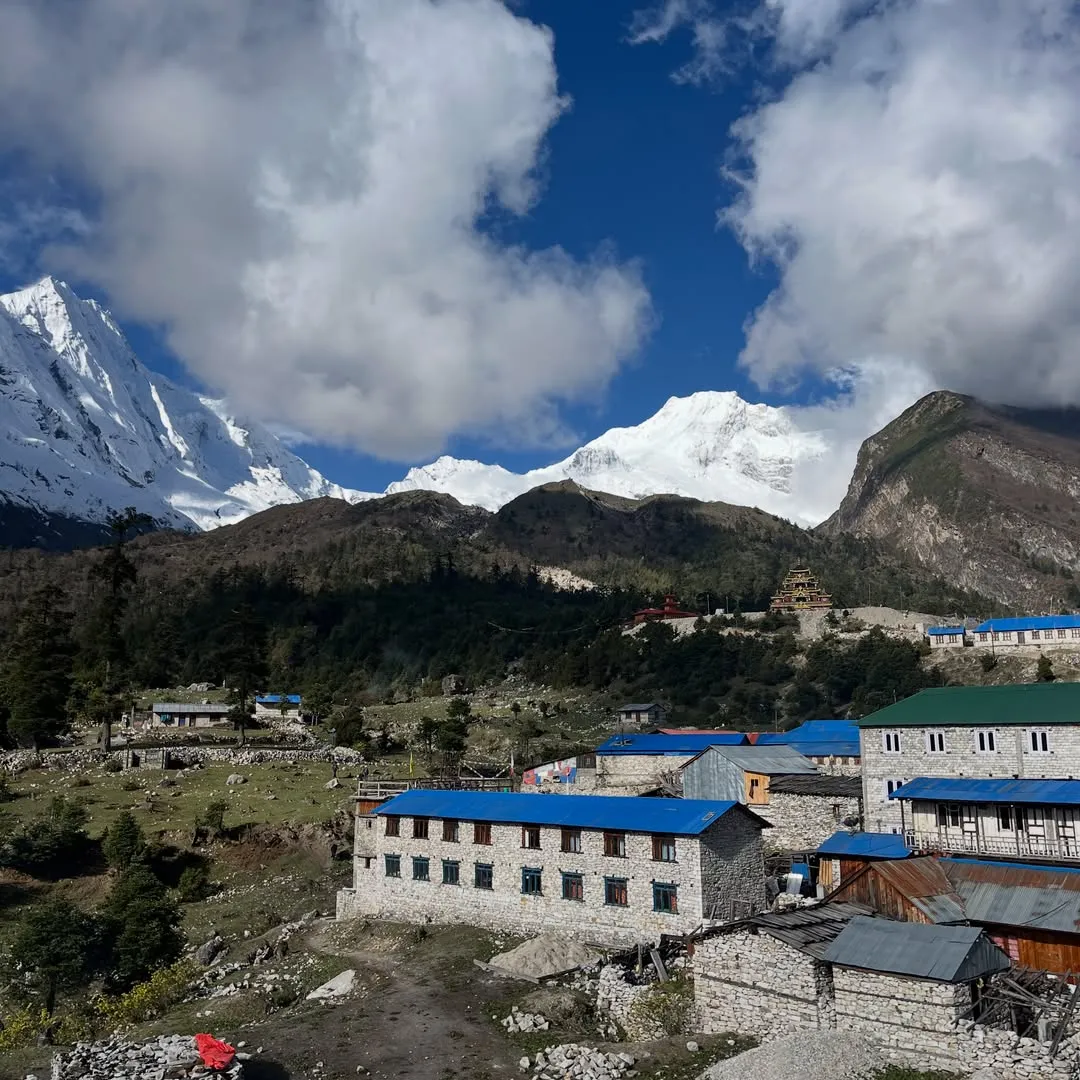
Manaslu Family Trek – 12 Days
Manaslu Family Trek – 12 Days
Manaslu Luxury Trek – 14 Days
Manaslu Luxury Trek – 14 Days

Manaslu Photography Trek – 17 Days
Manaslu Photography Trek – 17 Days
 English
 Deutsch
 Svenska
 Dansk
Dansk Русский
 Français
 Português
 Español
 Polski
 简体中文
简体中文 日本語
日本語 ไทย
ไทย العربية
 한국어
한국어