
Quick Answer
To compare quotes for a private Mount Kailash via Humla trek, list eight line items side by side: Simikot flight reroute policy, China Tibet Travel Bureau permit inclusion, Nepal side guide and porter, Tibet side guide and driver, Kailash kora (3-day parikrama) support, Yak or horse porter for kora, rescue coordination on both sides, and full-board meals in Tibet. A fair private quote for a 17-day trip in 2027 is $3,800 to $5,500 per person for a group of two, with anything under $3,200 cutting corners and anything over $6,500 marked up.
Mount Kailash via Humla is a two-country expedition, and quote comparison requires reading both sides of the border.
Detailed Breakdown
Mount Kailash via Humla is the overland route to Mount Kailash in Tibet, starting with a flight from Nepalgunj to Simikot in far-west Nepal, then trekking 6 days through Humla district to the border crossing at Hilsa, then driving across the Tibetan plateau to Lake Manasarovar and Mount Kailash for the 3-day kora (parikrama) at 4,700m to 5,630m at the Drolma La pass. The full trip is 16 to 20 days, with about 7 days in Nepal and 9 to 12 days in Tibet.
Two permits make this trek complex: the Humla restricted-area permit ($50 per person per week) for the Nepal side, and the China Tibet Travel Bureau permit ($150 to $200 per person) for the Tibet side. The Tibet permit must be arranged in advance through a Lhasa-based agency, and the entire Tibet portion must be guided by a Tibetan guide and driver. Quotes that handle only the Nepal side and leave Tibet arrangement to the trekker are incomplete.
Cost / Component Breakdown
Here is a realistic 2027 cost table for a 17-day Mount Kailash via Humla trek for two trekkers.
| Component | Budget Quote | Standard Quote | Premium Quote |
|---|---|---|---|
| Kathmandu to Nepalgunj flights return | $250 | $280 | $350 |
| Nepalgunj to Simikot flights return | $400 | $440 | $500 |
| Humla restricted permit ($50 per week) | $50 | $50 | $50 |
| China Tibet Travel Bureau permit | $150 | $180 | $220 |
| Nepal guide, cook, porters 7 days | $400 | $550 | $700 |
| Tibet guide, driver, vehicle 10 days | $900 | $1,100 | $1,400 |
| Yak or horse for Kailash kora | Not included | $120 | $200 plus rider |
| Lodging and meals full board | $500 (basic) | $700 (standard) | $1,000 (best available) |
| Rescue coordination both sides | Nepal side only | Both sides | Both sides plus helicopter |
| Agency service fee | $200 | $400 | $700 |
| Total per person | $3,000 to $3,500 | $3,800 to $5,500 | $5,800 to $6,800 |
Standard quote is the sweet spot for most trekkers.
What Affects the Answer
Tibet permit reliability is the biggest variable. The Chinese government occasionally closes the border to foreign travelers, especially in February, March, and during political anniversaries, with no notice. A good operator monitors permit status and offers refunds or reroutes if the border closes. Simikot flight risk is the second factor, with cancellation rates of 30 to 40 percent in shoulder seasons. Group size affects Tibet-side costs dramatically, because the vehicle and guide are fixed costs split across the group.
- Tibet permit: Border closures happen with no notice; ask about refund policy.
- Simikot flight: 30 to 40 percent cancellation in shoulder seasons.
- Group size: Solo Kailash trips cost $5,000-plus; groups of 4 drop to $3,500.
- Yak for kora: $120 to $200 per person; without it, you carry your pack over 5,630m pass.
- Rescue: Helicopter rescue from Manasarovar is possible but expensive.
Booking Tips / Practical Advice
Ask each operator whether they have a Lhasa-based Tibetan partner agency, because the Tibet permit cannot be issued without one. Confirm in writing that the operator monitors Tibet border status and offers a full refund or alternative trip if the border closes within 30 days of departure. Verify that the package includes a yak or horse for the 3-day Kailash kora, because walking at 5,000m-plus with a heavy pack is dangerous for most trekkers.
Carry a satellite phone or inReach, because mobile signal is poor on both the Humla and Tibet portions. Buy evacuation insurance that covers both Nepal and Tibet, because some policies cover one country but not the other. Carry $500 in cash for emergencies, because ATMs are not available in Simikot, Hilsa, or in much of western Tibet.
Comparison With Alternatives
Compared with the Lhasa to Kailash overland route, the Humla route is shorter, more adventurous, and avoids the long drive across Tibet, but has higher Simikot flight risk. Compared with the Kodari border crossing route (currently closed since 2015 earthquake), Humla is the only viable overland route from Nepal to Kailash. If you want the most reliable Kailash trip, fly Kathmandu to Lhasa and drive to Kailash through a Lhasa operator, accepting the higher Tibet-side cost but lower flight risk.
Common Mistakes to Avoid
Do not book with an operator that only handles the Nepal side and leaves Tibet arrangement to you, because the Tibet permit is impossible for individual trekkers to obtain. Avoid quotes under $3,200 per person, because they usually cut the yak porter for the kora or the Tibet-side guide. Never travel without evacuation insurance covering both Nepal and Tibet, because rescue from Manasarovar costs $5,000 to $10,000. Do not book a tight schedule without buffer days in Nepalgunj and Simikot, because flight cancellations are common.
Frequently Asked Questions
Here are the questions trekkers ask us most about comparing Mount Kailash via Humla quotes.
Summary
Compare Mount Kailash via Humla quotes on eight line items: Simikot flight reroute, Tibet permit inclusion, Nepal guide team, Tibet guide and driver, Kailash kora support, yak porter, rescue coordination, and full-board meals. A fair 17-day private quote in 2027 is $3,800 to $5,500 per person for a group of two. Book with an operator that has a Lhasa partner, monitor Tibet border status, and carry satellite communication. Anything under $3,200 cuts corners.
Conclusion
Mount Kailash via Humla is one of the most spiritual and logistically complex treks in Asia, and the right operator makes the difference between a transformational journey and a costly failure. Compare quotes line by line, verify the Tibet permit partner, insist on a yak for the kora, and carry both satellite communication and dual-country insurance. The mountain rewards those who plan with rigor, not those who book on price alone.
Recommended Trek Packages
Trekking Places to Explore
Explore Trips in Nepal
Hand-picked guided trips to this destination
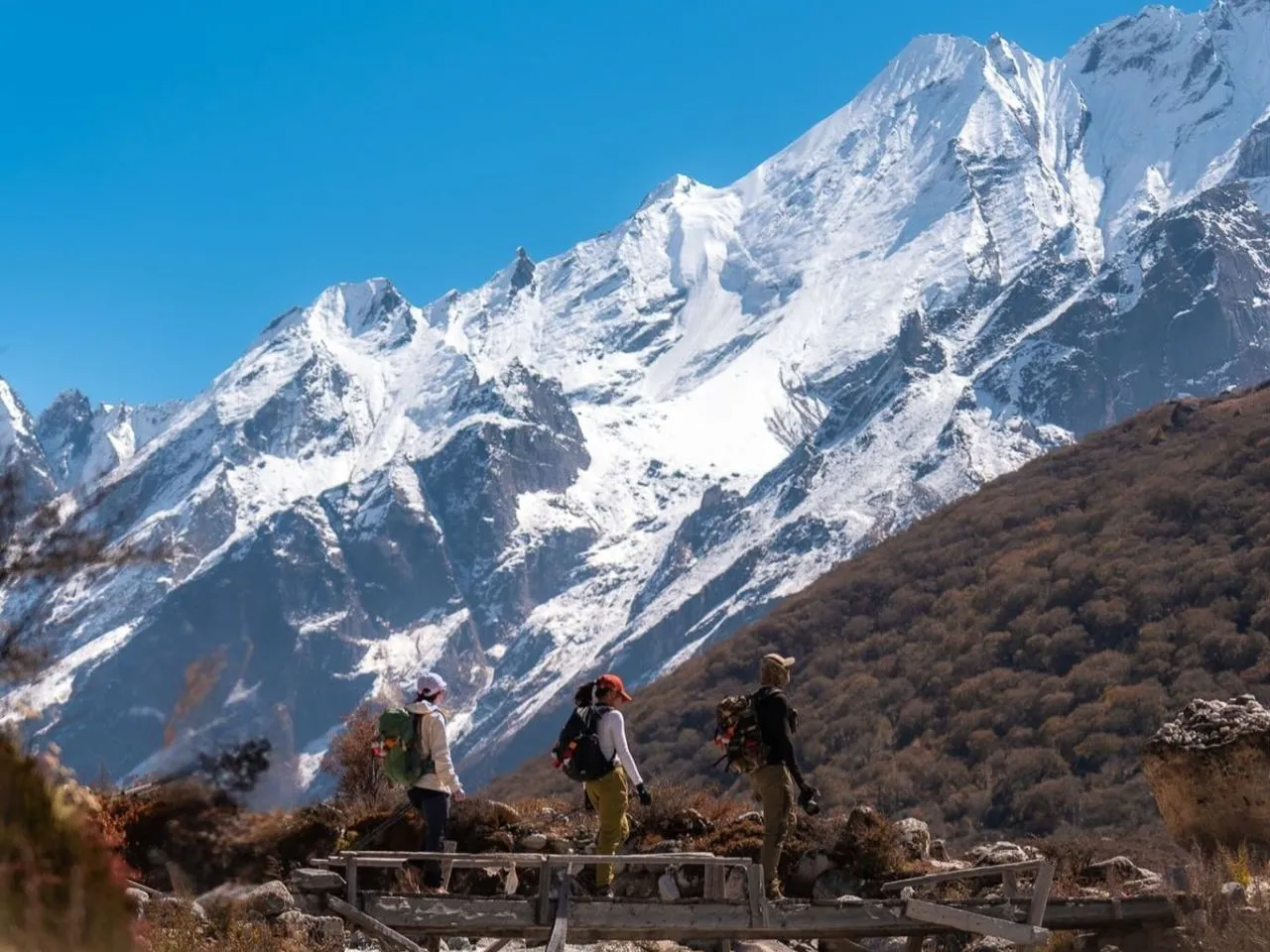
Langtang Luxury Trek – 10 Days
Langtang Luxury Trek – 10 Days
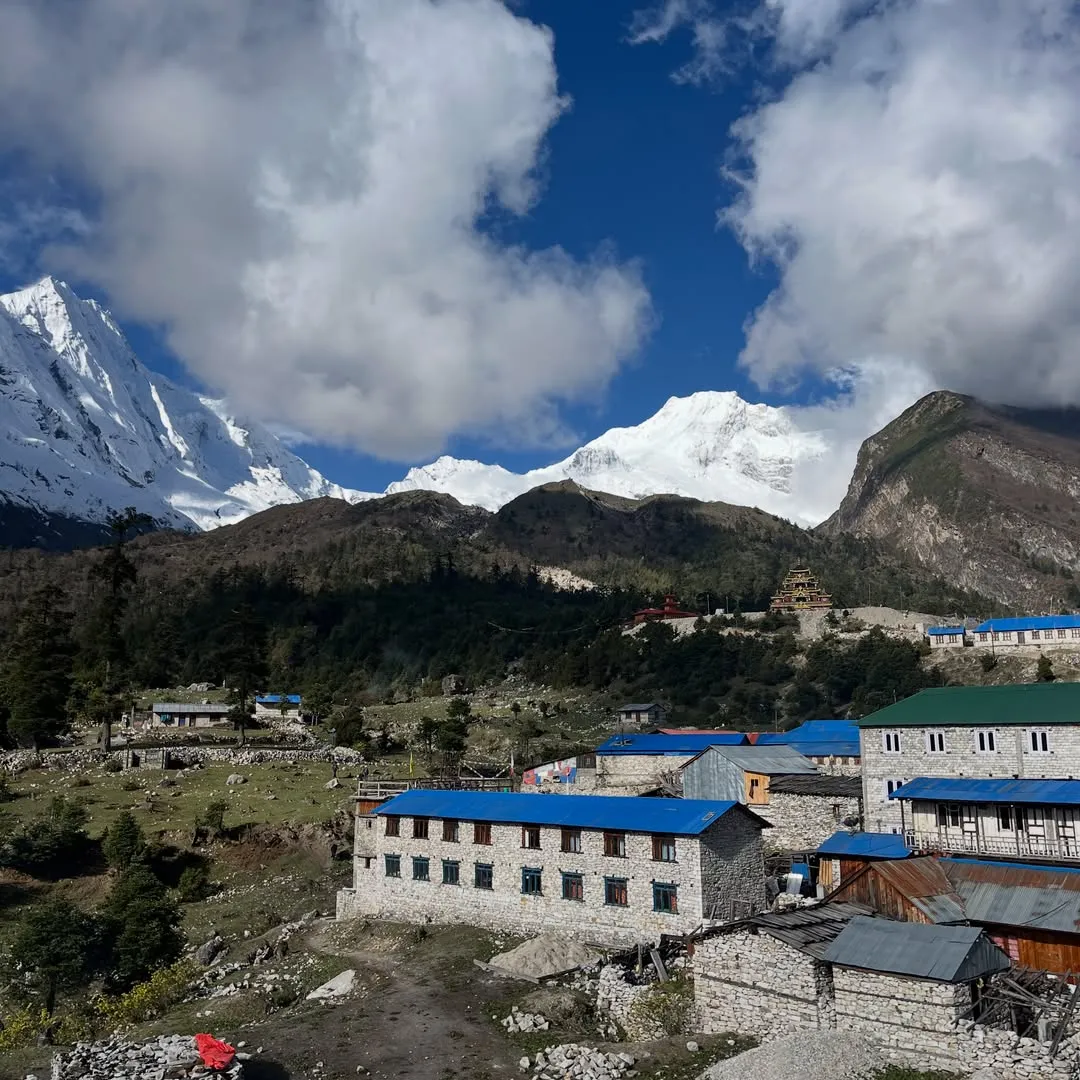
Manaslu Family Trek – 12 Days
Manaslu Family Trek – 12 Days
Manaslu Luxury Trek – 14 Days
Manaslu Luxury Trek – 14 Days

Manaslu Photography Trek – 17 Days
Manaslu Photography Trek – 17 Days
 English
 Deutsch
 Svenska
 Dansk
Dansk Русский
 Français
 Português
 Español
 Polski
 简体中文
简体中文 日本語
日本語 ไทย
ไทย العربية
 한국어
한국어