
Quick Answer
For sunrise photography on a 2027 Milke Danda trek, confirm in writing that your itinerary includes an overnight at the Milke Danda ridge camp (3,600m) and a 4:30 AM wake-up on shoot day, with arrival at the eastern sunrise viewpoint by 5:45 AM for first light on Kanchenjunga and Makalu. Add an acclimatisation day at Chainpur or Gupha Pokhari before the ridge overnight, and request a guide who knows the photography viewpoints rather than just the trail. The ridge faces east, so sunrise is the unmissable moment.
Milke Danda is a 25-kilometre ridge running east to west at 3,000m to 3,700m in eastern Nepal, with sunrise views of Kanchenjunga, Makalu, and Everest on clear days. Route pacing is everything, because missing the ridge overnight means missing the sunrise.
Detailed Breakdown
Four pacing decisions shape your sunrise photography. The first is the ridge overnight, with a camp at Milke Danda ridge (3,600m) being non-negotiable because the sunrise is at 5:45 AM and there is no time to walk up from lower camps. The second is the approach day, with a 5 to 6 hour walk from Gupha Pokhari or Chainpur to reach the ridge by late afternoon.
The third is the wake-up time, with 4:30 AM being standard to allow time for tea, dressing warm, and walking 15 to 20 minutes to the eastern viewpoint. The fourth is the acclimatisation day, with one rest day at Chainpur (1,200m) or Gupha Pokhari (2,900m) before the ridge overnight being essential because the ridge sits at 3,600m and altitude illness ruins sunrise shoots. The ridge faces east, so sunrise hits the Kanchenjunga range first, then sweeps south to Makalu and Everest.
Cost / Component Breakdown
Here is the 2027 pacing and cost framework for a 9-day Milke Danda sunrise photography trek for two trekkers.
| Day | Stop | Altitude | Pacing Note |
|---|---|---|---|
| 1 | Kathmandu to Hile | 1,900m | Drive day, prepare camera gear |
| 2 | Hile to Chainpur | 1,200m | Easy walk, acclimatisation day |
| 3 | Chainpur to Gupha Pokhari | 2,900m | 6 hour climb, scout sunset |
| 4 | Gupha Pokhari to Milke Danda ridge | 3,600m | 5 hour ridge walk, late arrival |
| 5 | Milke Danda ridge sunrise | 3,600m | 4:30 AM wake, 5:45 AM shoot |
| 6 | Milke Danda to Gupha Pokhari | 2,900m | Return walk, second sunrise optional |
| 7 to 9 | Return to Hile and Kathmandu | 1,900m to 1,400m | Drive and rest |
Total cost: $1,000 to $1,500 per person for 9 days, with a photography-experienced guide adding $50 to $100.
What Affects the Answer
Several factors shift your route pacing. Season matters, with October and November offering the clearest sunrise, while March and April add rhododendron bloom foreground. Your photography style matters, with landscape photographers needing the ridge overnight while portrait photographers may prefer village stops. Group fitness matters, with slower groups needing more acclimatisation days.
- Season: October and November are clearest, March and April add bloom.
- Photography style: Landscape needs ridge overnight, portrait prefers villages.
- Fitness: Slower groups need more acclimatisation days.
- Weather: Cloud cover can ruin sunrise, so build a buffer day.
Booking Tips / Practical Advice
Ask the operator for a day-by-day itinerary that explicitly names the ridge overnight on day 4 or 5, with sunrise on day 5 or 6. Request a guide who has done photography-focused Milke Danda treks, not just standard walking treks, because the photo viewpoints are 15 to 20 minutes off the main trail. Build a buffer day at the ridge in case of cloud cover on the first sunrise.
Carry a tripod, headlamp, and extra batteries, because cold at 3,600m drains camera batteries fast. Pack warm layers for the 4:30 AM wake-up, because temperatures at the ridge can drop to -5 to 0 degrees Celsius even in autumn. Confirm the camp crew can boil water for tea at 4:30 AM, because hot tea is essential before the shoot.
Comparison With Alternatives
Compared with Pikey Peak sunrise, Milke Danda offers a wider panorama including Kanchenjunga and Makalu, while Pikey Peak focuses on Everest. Compared with Poon Hill sunrise, Milke Danda is more remote and less crowded, with similar light quality. Compared with Kala Patthar sunrise, Milke Danda is lower altitude and easier, with a wider east-to-west panorama.
Common Mistakes to Avoid
Do not accept an itinerary that skips the ridge overnight, because day-hiking to the ridge for sunrise is impossible from lower camps. Avoid operators who plan a 6 AM wake-up, because sunrise at 5:45 AM means you miss first light. Never skip the acclimatisation day at Gupha Pokhari, because altitude illness at 3,600m ruins the shoot. Do not forget extra camera batteries, because cold drains them fast. Finally, do not book without confirming the guide knows the photo viewpoints.
Frequently Asked Questions
Here are the questions we hear most about Milke Danda sunrise pacing.
Summary
Confirm a ridge overnight at Milke Danda (3,600m) and a 4:30 AM wake-up for sunrise at 5:45 AM. Add an acclimatisation day at Gupha Pokhari, request a photography-experienced guide, and build a buffer day for cloud cover. Budget $1,000 to $1,500 per person for 9 days in 2027. The ridge faces east, so sunrise is the unmissable moment.
Conclusion
Milke Danda is one of the best sunrise photography treks in eastern Nepal, and route pacing is the difference between a great shoot and a missed one. Spend 30 minutes confirming the ridge overnight with your operator, request a photography guide, and pack for cold mornings. The right pacing gives you first light on Kanchenjunga, Makalu, and Everest, and the wrong one leaves you watching the sun rise from a lower camp with no view.
Recommended Trek Packages
Trekking Places to Explore
Explore Trips in Nepal
Hand-picked guided trips to this destination
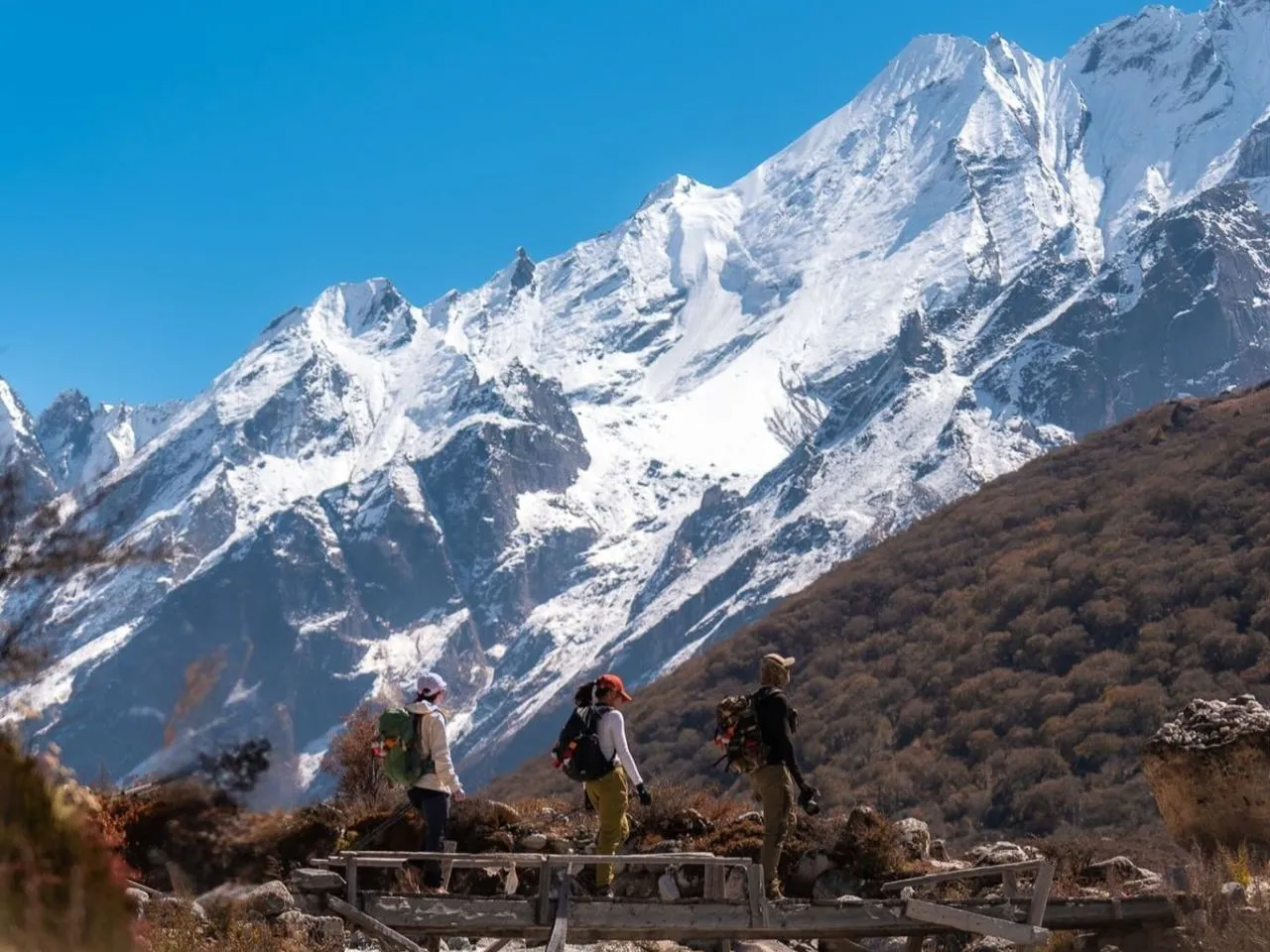
Langtang Luxury Trek – 10 Days
Langtang Luxury Trek – 10 Days
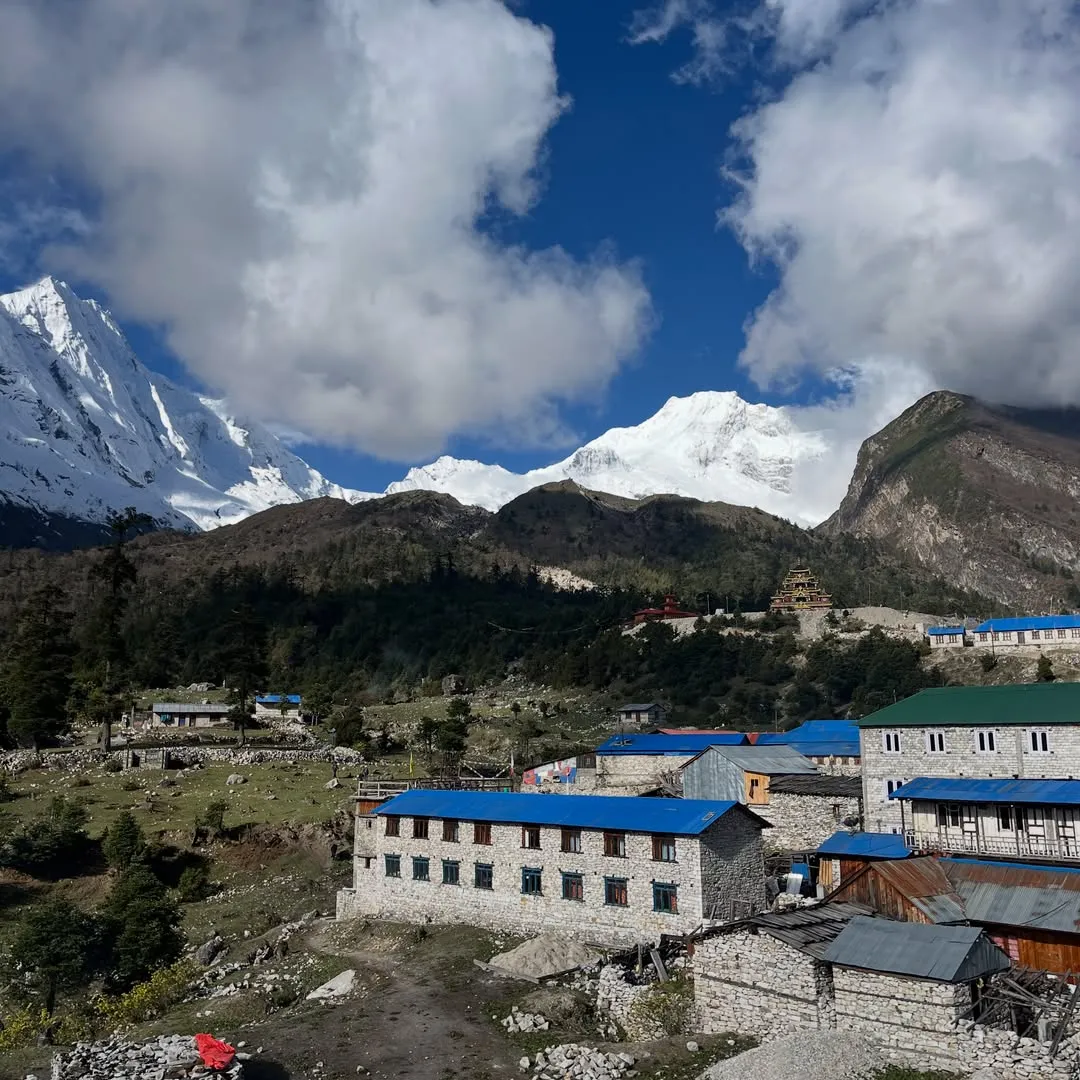
Manaslu Family Trek – 12 Days
Manaslu Family Trek – 12 Days
Manaslu Luxury Trek – 14 Days
Manaslu Luxury Trek – 14 Days

Manaslu Photography Trek – 17 Days
Manaslu Photography Trek – 17 Days
 English
 Deutsch
 Svenska
 Dansk
Dansk Русский
 Français
 Português
 Español
 Polski
 简体中文
简体中文 日本語
日本語 ไทย
ไทย العربية
 한국어
한국어