
Quick Answer
Yes, a licensed guide is mandatory for the Manaslu Circuit in 2027. The trek passes through the Manaslu Restricted Area, where Nepali law requires trekkers to travel in a group of at least two with a registered guide and to obtain a Restricted Area Permit. There is no legal way to do the Manaslu Circuit independently, and checkpoints at Jagat and Deng strictly enforce the rule.
The restricted area status has been in place for decades and is not changing in 2027. Solo trekkers caught without a guide are turned back at the checkpoint and lose their permit fee. Hiring a guide is not a bureaucratic hoop but a safety necessity on a remote trail with limited infrastructure.
Detailed Breakdown
The Manaslu Circuit lies in a border-sensitive zone near Tibet, which is why Nepal designates it a restricted area. The restriction comes with three hard rules: a minimum group size of two trekkers, a licensed guide accompanying the group at all times, and a Restricted Area Permit issued through a registered trekking agency. You cannot buy the permit as an individual at the checkpoint.
Your guide handles the permit paperwork, registers your group at every police and conservation checkpoint, and manages emergencies. On a 14 to 16 day circuit with a high pass at 5,106m, having a professional who knows the weather windows, altitude symptoms and lodge owners is genuinely valuable. The Larkya La pass crossing alone justifies the requirement, since sudden storms there can be life-threatening.
Cost / Component Breakdown
Here is what the mandatory guide and permit setup costs per person on a 14 day Manaslu Circuit in 2027, assuming a group of two sharing one guide.
| Component | Cost (USD) | Notes |
|---|---|---|
| Manaslu Restricted Area Permit (Sep to Nov) | $100 for first 7 days + $15/day after | Peak season rate |
| Manaslu RAP (Dec to Aug) | $75 for first 7 days + $10/day after | Off season rate |
| Manaslu Conservation Area Permit | $30 | One time |
| Guide (14 days) | $350 | $25 per day, shared |
| Porter (14 days, optional) | $252 | $18 per day, shared |
| Agency processing fee | $30 to $60 | For permit paperwork |
For a 14 day trek in peak season, the permit alone comes to $175 per person ($100 plus 7 extra days at $15). Add the guide share and the conservation fee and you are at roughly $555 per person before food, lodging and transport.
What Affects the Answer
The mandatory guide rule is fixed, but a few variables change the cost and experience. Group size matters because the guide fee splits, so a group of four pays half per head what a pair pays. Season shifts the permit rate, with peak autumn weeks costing $25 more per person than off season. Whether you want a guide only or a guide plus porter also changes the budget and how much weight you carry.
- Group size: Two trekkers is the legal minimum; four is the cost sweet spot.
- Season: September through November permit is $25 more per person than December through August.
- Guide vs guide plus porter: A porter adds $252 shared but saves your knees on the long descents.
- Agency vs freelance: Agencies handle permits cleanly; freelance guides must still be attached to an agency for the RAP.
- Tsum Valley extension: Adds days and an extra RAP fee if you divert into Tsum.
Booking Tips / Practical Advice
Book your guide and permit through a government-registered trekking agency at least three weeks before your start date, because the RAP requires your original passport and photos and is issued in Kathmandu. Ask for a guide with a valid license card and Manaslu experience, not just a generic porter-guide. Confirm in writing whether the quoted price includes the guide's food, lodging, insurance and equipment, because some operators pass these costs to you on the trail.
If you are a solo trekker, ask the agency to pair you with another solo to form a legal group. Many agencies maintain a pairing list and can match you for a small surcharge. Never accept an offer to trek without a permit or with an unlicensed guide, because both can end your trek at Jagat and waste your trip to Nepal.
Comparison With Alternatives
Compared to the Annapurna Circuit, where a guide is strongly recommended but not legally required, Manaslu is stricter and pricier because of the restricted status. The Everest Base Camp trek also does not require a guide, though the TIMS system strongly encourages one. If you specifically want to trek independently in 2027, consider the Annapurna Circuit, Langtang Valley, or the Helambu trek, where solo trekking is still allowed with a TIMS card.
Common Mistakes to Avoid
Do not try to dodge the guide rule by starting from a different trailhead, because every entry into the Manaslu Conservation Area is checked. Do not assume a TIMS card replaces the RAP, because they are separate permits with separate fees. Avoid booking through an unregistered agency or a freelance guide who promises to arrange the permit, since only registered agencies can legally obtain the RAP. Finally, do not underestimate the Larkya La pass crossing, where weather and altitude make a guide's judgment genuinely life-saving.
Frequently Asked Questions
Here are the questions solo and paired trekkers ask us most about the Manaslu guide rule.
Summary
A licensed guide is mandatory for the Manaslu Circuit in 2027 because the route crosses a restricted area. The rule is fixed, but cost varies with group size, season and whether you add a porter. Book through a registered agency at least three weeks ahead, carry the permit at all times, and never attempt the circuit independently.
Conclusion
The guide requirement for Manaslu is a feature, not a flaw, because the trail is remote and the pass is serious. Treat it as part of the experience: a good guide unlocks villages, manages altitude and makes the Larkya La crossing safe. Budget for it, book early, and you will have one of the most rewarding restricted-area treks in Nepal.
Recommended Trek Packages
Trekking Places to Explore
Explore Trips in Nepal
Hand-picked guided trips to this destination
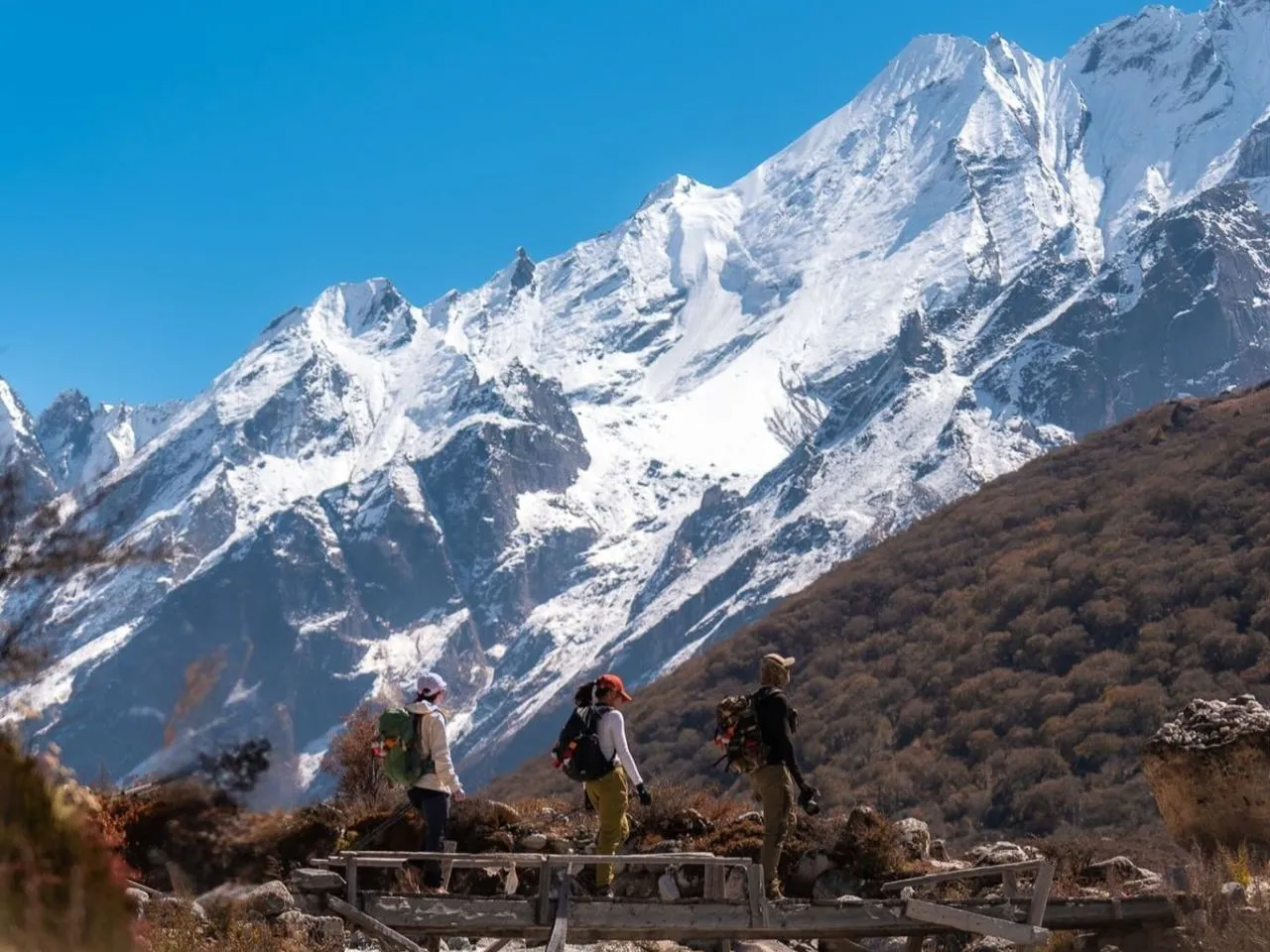
Langtang Luxury Trek – 10 Days
Langtang Luxury Trek – 10 Days
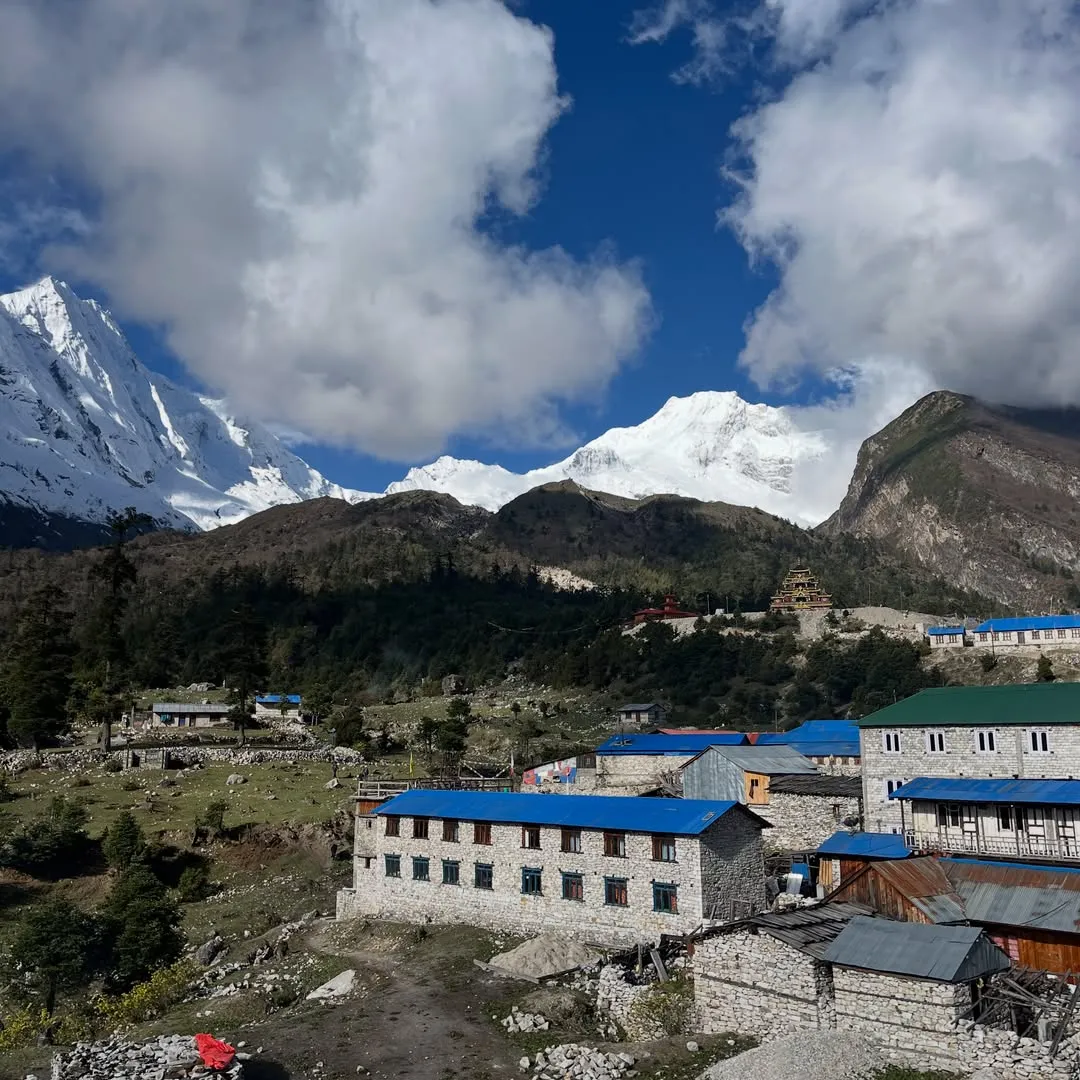
Manaslu Family Trek – 12 Days
Manaslu Family Trek – 12 Days
Manaslu Luxury Trek – 14 Days
Manaslu Luxury Trek – 14 Days

Manaslu Photography Trek – 17 Days
Manaslu Photography Trek – 17 Days
 English
 Deutsch
 Svenska
 Dansk
Dansk Русский
 Français
 Português
 Español
 Polski
 简体中文
简体中文 日本語
日本語 ไทย
ไทย العربية
 한국어
한국어