
Quick Answer
The main safety risks on the Lower Dolpo Trek in 2027 are acute mountain sickness above 5,000 metres at Num La, route finding on remote unmaintained trails, food and water borne illness from basic lodges, fast weather changes on the high passes, and the long evacuation distance to the nearest hospital at Nepalgunj. Trekkers should budget 14 to 18 days, carry a satellite phone, and book a licensed guide with prior Dolpo experience. The total package costs $1,800 to $2,400 in 2027.
Detailed Breakdown
Acute mountain sickness is the leading risk on the Lower Dolpo Trek. The route crosses Baga La at 5,170 metres and Num La at 5,360 metres on consecutive days. Trekkers who fly from Nepalgunj at 200 metres to Juphal at 2,400 metres and climb to Ringmo at 3,640 metres within 4 days risk altitude sickness. Symptoms include headache, nausea, and loss of coordination. A 2 night acclimatisation at Shey Phoksundo Lake at 3,640 metres is mandatory before crossing the passes.
Route finding is the second risk. Trails above Ringmo are not marked and the Department of Immigration maps are outdated. Snow can obscure the path on Num La in October. A licensed guide with prior Dolpo crossings is required by permit law and is the only way to navigate the 36 hour window between Ringmo and Do Tarap. Trekkers should also carry a Garmin inReach or similar satellite messenger.
Cost/Component Breakdown
| Safety Component | Cost USD |
|---|---|
| Lower Dolpo Permit $10 per week | $20 to $30 |
| Shey Phoksundo National Park Permit | $25 |
| TIMS Card | $20 |
| Licensed guide 16 days | $480 to $640 |
| Porter crew 16 days | $320 to $480 |
| Satellite phone rental | $80 to $150 |
| Helicopter evacuation insurance to 6,000 m | $120 to $200 |
| Nepalgunj to Juphal flight | $220 to $280 |
| Total package 2027 | $1,800 to $2,400 |
Insurance must cover helicopter evacuation to 6,000 metres. Evacuation from Num La to Kathmandu costs $3,500 to $4,500.
What Affects the Answer
Season. June to September is monsoon and trails on the lower Karnali section get landslides. October and November have clear weather but fresh snow on the passes. May has unpredictable weather. November to March has lodge closures and frozen water supplies. Group size.
Prior altitude experience. Trekkers with prior 4,500 metre exposure handle Num La better than first timers. Guide quality. A guide with 5 plus Dolpo crossings reads weather on the passes and adjusts the itinerary. A guide with no Dolpo experience is a liability on the 5,360 metre Num La.
Booking Tips
Book through a Kathmandu agency with at least 5 Dolpo departures in 2026. Ask for the specific guide name and verify the NATHM Trekking Guide Licence. Request the guide mobile number and test it on a Kathmandu call before departure. Confirm the satellite phone is charged and the guide knows how to call a helicopter.
Reserve the Nepalgunj to Juphal flight 4 months ahead for September and October. Sita Air and Tara Air run daily morning flights in 2027 with 75 percent on time reliability. Carry $500 cash for crew tips, emergency helicopter co pays, and last minute food purchases. ATMs do not exist past Nepalgunj.
Comparison With Alternatives
Compared with the Annapurna Circuit, which has 30 teahouses, road access at both ends, and helicopter evacuation within 90 minutes, the Lower Dolpo route has none of these. Compared with Upper Mustang, which is 10 to 14 days and $2,500 to $3,500 with the $500 permit, Lower Dolpo is cheaper at $1,800 to $2,400 but more physically demanding.
Compared with Upper Dolpo, which is 18 to 24 days and $3,800 to $4,800 with the $500 permit, Lower Dolpo is shorter and lower risk but has fewer cultural highlights. Compared with the Manaslu Circuit, which is 14 to 18 days and $1,500 to $2,200 with road access at both ends, Lower Dolpo has no road access on the loop.
Common Mistakes to Avoid
Underestimating the Baga La and Num La crossing. Both passes exceed 5,000 metres. Trekkers must acclimatise at Ringmo for 2 nights before crossing. Skipping the Shey Phoksundo acclimatisation day. The lake sits at 3,640 metres and the next sleep at Do Tarap is 4,100 metres. Rest a day to reduce altitude sickness risk.
Forgetting cash past Nepalgunj. Carry $500 cash. Underpacking cold gear. Num La nights drop to minus 8 Celsius in October. Bring a minus 20 Celsius bag. Booking too short an itinerary.
FAQ
What is the biggest safety risk on the Lower Dolpo Trek?
Acute mountain sickness at Num La 5,360 metres and Baga La 5,170 metres. A 2 night acclimatisation at Shey Phoksundo Lake at 3,640 metres before the pass crossings reduces the risk.
Do I need a guide for the Lower Dolpo Trek?
Yes. The Lower Dolpo Permit requires a licensed guide registered with the Department of Immigration and a minimum group of 2 trekkers. Solo travel is not permitted.
How much does the Lower Dolpo Trek cost in 2027?
$1,800 to $2,400 per person for 14 to 18 days with guide, porter crew, permits, flights, food, and lodging included.
What is the evacuation time from Lower Dolpo?
Helicopter evacuation from Num La or Do Tarap to Kathmandu takes 2 to 4 hours weather permitting. The nearest hospital is at Nepalgunj, 90 minutes by helicopter from Juphal.
Summary
The Lower Dolpo Trek in 2027 has 5 main safety risks: altitude sickness at 5,360 metres, route finding on remote trails, food and water illness, weather on the passes, and long evacuation distance. Budget 14 to 18 days, $1,800 to $2,400, and book a guide with prior Dolpo experience.
Conclusion
Trekkers heading to Lower Dolpo in 2027 should treat the route as a serious expedition. Acclimatise 2 nights at Shey Phoksundo, carry a satellite phone, and book a guide with 5 plus Dolpo crossings. The Lower Dolpo rewards preparation with trans Himalayan scenery and authentic Tibetan Buddhist culture that few trekkers ever see.
Recommended Trek Packages
Trekking Places to Explore
Explore Trips in Nepal
Hand-picked guided trips to this destination
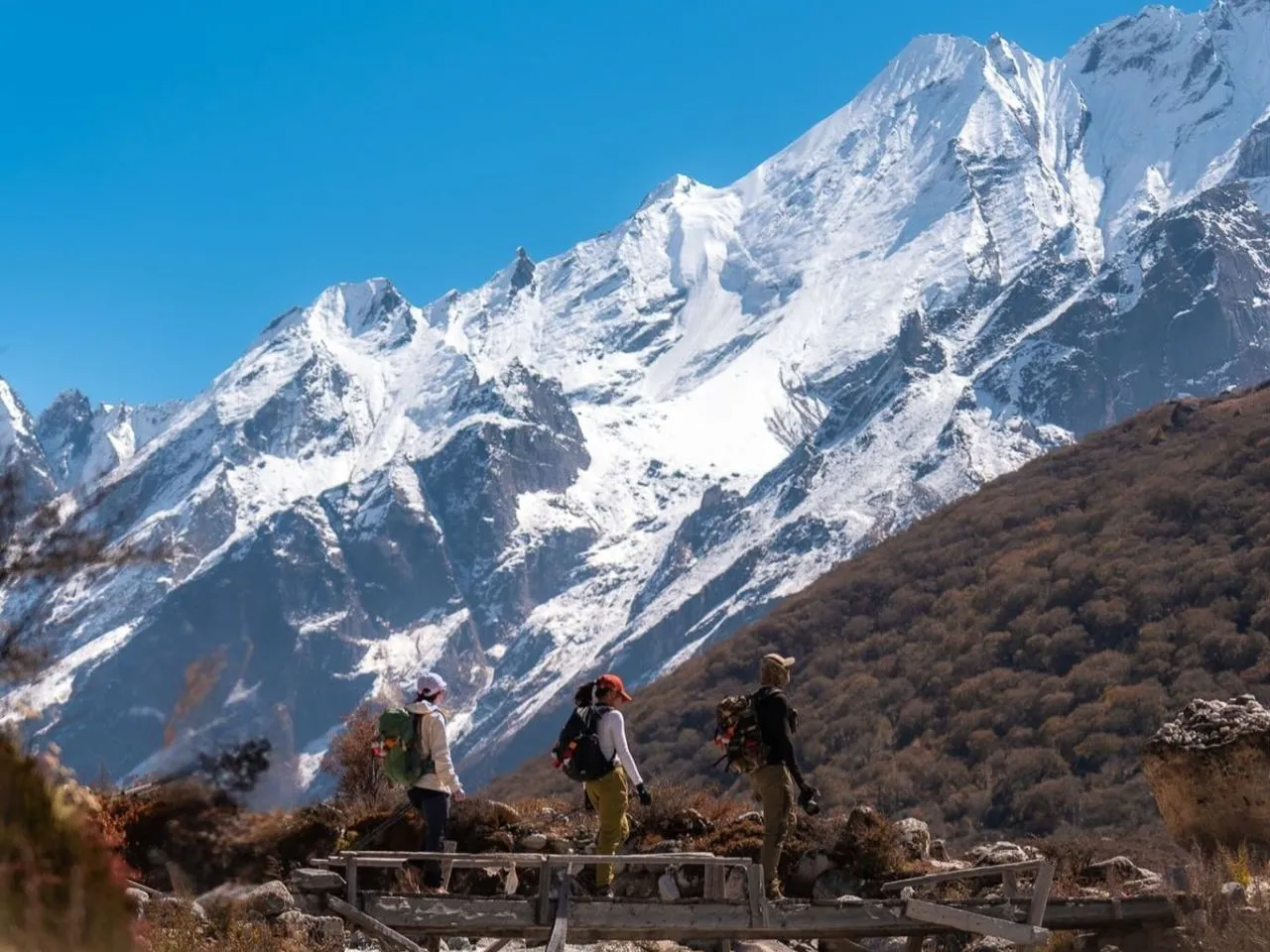
Langtang Luxury Trek – 10 Days
Langtang Luxury Trek – 10 Days
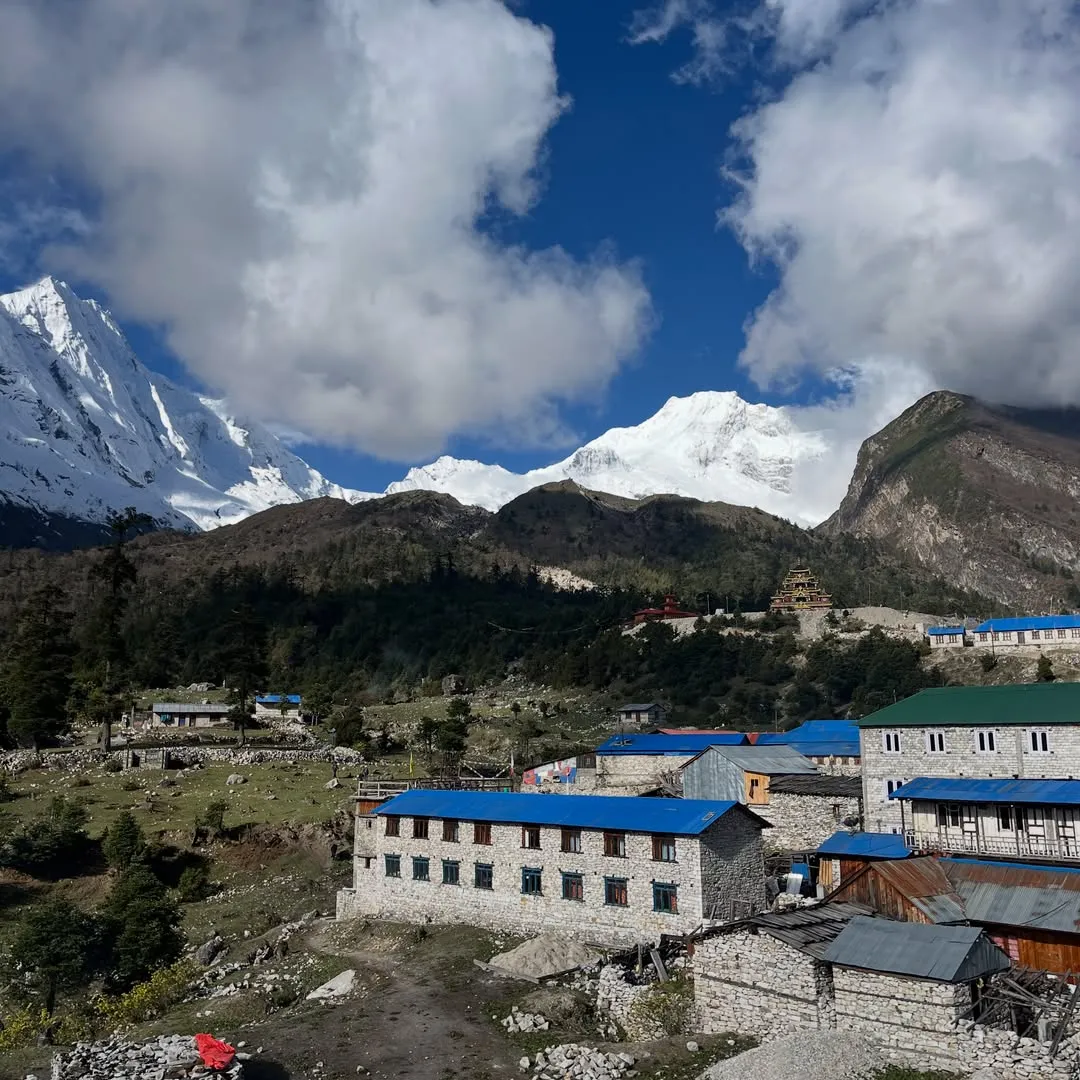
Manaslu Family Trek – 12 Days
Manaslu Family Trek – 12 Days
Manaslu Luxury Trek – 14 Days
Manaslu Luxury Trek – 14 Days

Manaslu Photography Trek – 17 Days
Manaslu Photography Trek – 17 Days
 English
 Deutsch
 Svenska
 Dansk
Dansk Русский
 Français
 Português
 Español
 Polski
 简体中文
简体中文 日本語
日本語 ไทย
ไทย العربية
 한국어
한국어