
Quick Answer
Mount Kailash at 6,638 m in Tibet is visible from the Limi Valley route near Hilsa on the Nepal Tibet border in 2027 to 2030, sitting 80 km southwest of the peak. Best viewpoints sit at 4,200 m above Til village and the Hilsa ridge at 3,700 m, with clear October weather and pre monsoon spring. The full Limi Valley trek runs 14 to 19 days at $2,500 to $4,200 per person. Cloud cover blocks visibility 30 to 40 percent of mornings in shoulder season.
Detailed Breakdown
The Limi Valley trek starts at Simikot at 2,950 m, follows the Karnali River through Kermi at 2,690 m, Yangar at 2,850 m, Todhe at 3,420 m, crosses the 4,530 m Nyalu La Pass, reaches Til at 3,760 m, Halji at 3,660 m, Jang at 3,310 m, and exits via Hilsa at 3,720 m on the Nepal Tibet border. From the Hilsa ridge and the Nyalu La Pass viewpoint, Mount Kailash appears as a triangular pyramid 80 km northeast across the Tibetan plateau.
The peak is visible most clearly at sunrise from late September to mid November, when post monsoon air clears dust and stable high pressure holds for 7 to 10 day stretches. Pre monsoon spring (April to mid May) also delivers visibility, though haze from the Terai reduces contrast. Cloud cover blocks the view 30 to 40 percent of mornings in shoulder season and 60 percent in monsoon.
The Hilsa ridge viewpoint at 3,700 m sits 80 km southwest of Kailash. The Nyalu La Pass at 4,530 m offers a higher angle with the peak visible above the Limi Valley ridgeline. Photographers chasing sharp Kailash shots should target October mornings from 6:30 to 8 am, with a 70 to 200 mm lens on a full frame body.
Cost/Component Breakdown
| Component | 14 Day Limi | 19 Day Limi with Kailash View Extension |
|---|---|---|
| Humla restricted area permit | $50 per week | $50 per week |
| Simikot trail permit | $30 | $30 |
| TIMS Card | $17 | $17 |
| Guide (NMA licensed, Tibetan speaking) | $420 to $570 | $570 to $760 |
| Porter | $336 to $456 | $456 to $570 |
| Camping crew and cook | $420 to $570 | $570 to $760 |
| Teahouse lodging | $60 to $90 | $90 to $120 |
| Meals | $560 to $720 | $720 to $950 |
| Nepalgunj to Simikot flight | $240 to $320 | $240 to $320 |
| Hilsa to Nepalgunj helicopter (optional) | $0 (walk out) | $500 to $800 shared |
| Helicopter evacuation insurance | $80 to $120 | $80 to $120 |
| Satellite messenger rental | $60 to $90 | $60 to $90 |
| Total per person (group of 4) | $2,500 to $3,500 | $3,000 to $4,200 |
What Affects the Answer
Three factors shape Kailash visibility. First, weather window: late September to mid November delivers the highest visibility with 70 to 80 percent clear mornings. Pre monsoon spring (April to mid May) delivers 60 to 70 percent clear mornings. Monsoon (June to September) drops visibility to 30 to 40 percent.
Booking Tips
Book Limi Valley trips 10 weeks ahead, since Humla restricted area permits take 5 to 7 working days and Nepalgunj to Simikot flights run 3 times weekly with 25 to 30 percent weather cancellation in shoulder season. Ask the operator for a named NMA licensed guide with Tibetan language skills and prior Humla trips.
Verify the package includes Humla restricted area permit, Simikot trail permit, TIMS, full camping crew with cook and four season sleeping bags, helicopter evacuation insurance, and satellite messenger rental. Confirm Nepalgunj hotel booking for weather delay buffer.
Comparison With Alternatives
The Upper Dolpo Circuit runs $3,200 to $4,500 for 18 to 24 days and crosses three 5,000 m plus passes, suitable for trekkers wanting remote alpine without Kailash visibility. The Kailash Mansarovar Yatra in Tibet runs $3,500 to $6,000 for 12 to 15 days and reaches the peak directly, suitable for trekkers wanting direct Kailash access. The Api Nampa Conservation Area trek runs $1,800 to $2,800 for 12 to 16 days and offers partial Kailash views from the Far West corner.
Common Mistakes to Avoid
Do not book a Limi Valley trip in monsoon (June to September), since cloud cover blocks Kailash visibility 60 percent of mornings and trail washouts force 2 to 3 day detours. Avoid operators that promise Kailash visibility without a 5 day weather window forecast.
FAQ
Can you see Mount Kailash from the Limi Valley?Yes from the Hilsa ridge at 3,700 m and the Nyalu La Pass at 4,530 m, with the peak 80 km northeast across the Tibetan plateau. Visibility runs 70 to 80 percent of mornings in October.
What is the best month for Kailash views from Limi?Late September to mid November, when post monsoon air clears dust and stable high pressure holds for 7 to 10 day stretches. April to mid May is the secondary window with 60 to 70 percent visibility.
How many days does the Limi Valley trek take?14 to 19 days, covering 130 km from Simikot through Kermi, Yangar, Todhe, Nyalu La Pass, Til, Halji, Jang, and Hilsa. Camping required for 60 percent of nights.
How much does the Limi Valley trek cost?$2,500 to $4,200 per person for a group of 4, including Humla restricted area permit, Simikot trail permit, TIMS, guide, porter, camping crew, meals, Nepalgunj to Simikot flight, and helicopter evacuation insurance.
Summary
Mount Kailash is visible from the Limi Valley route near Hilsa on the Nepal Tibet border, 80 km southwest of the peak. Best viewpoints sit at 4,200 m above Til village and the Hilsa ridge at 3,700 m, with clear October weather.
Conclusion
Pick the 19 day Limi Valley with Kailash view extension at $3,000 to $4,200 for the best Kailash visibility from Nepal, with the Hilsa ridge and Nyalu La Pass viewpoints. Book 10 weeks ahead for Humla permits and Nepalgunj flights, carry 40,000 rupees cash and a satellite messenger, and target October mornings from 6:30 to 8 am for clear views. Limi Valley rewards experienced trekkers with the closest Nepal side Kailash access combined with Tibetan Buddhist culture.
Recommended Trek Packages
Trekking Places to Explore
Explore Trips in Nepal
Hand-picked guided trips to this destination
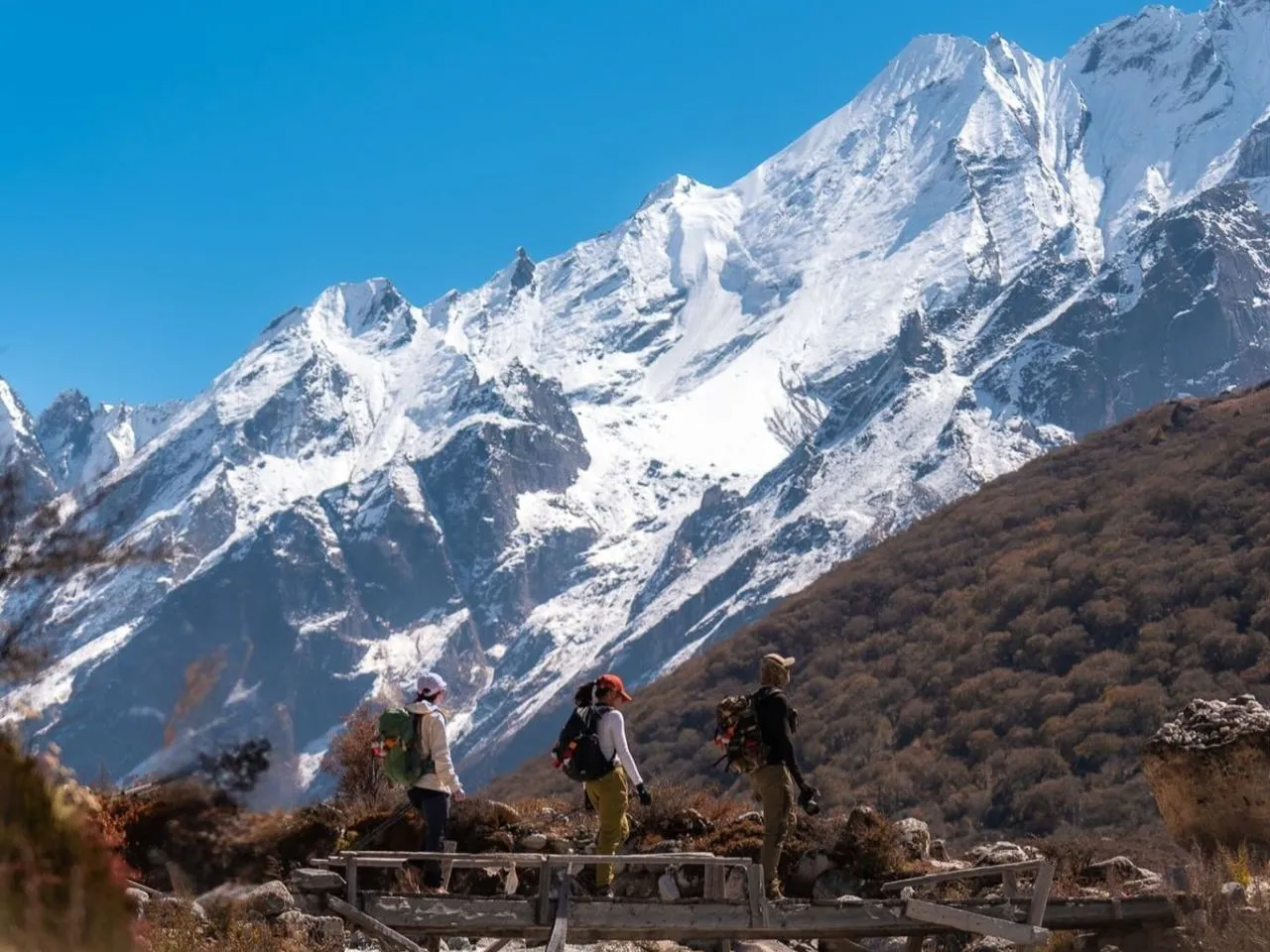
Langtang Luxury Trek – 10 Days
Langtang Luxury Trek – 10 Days
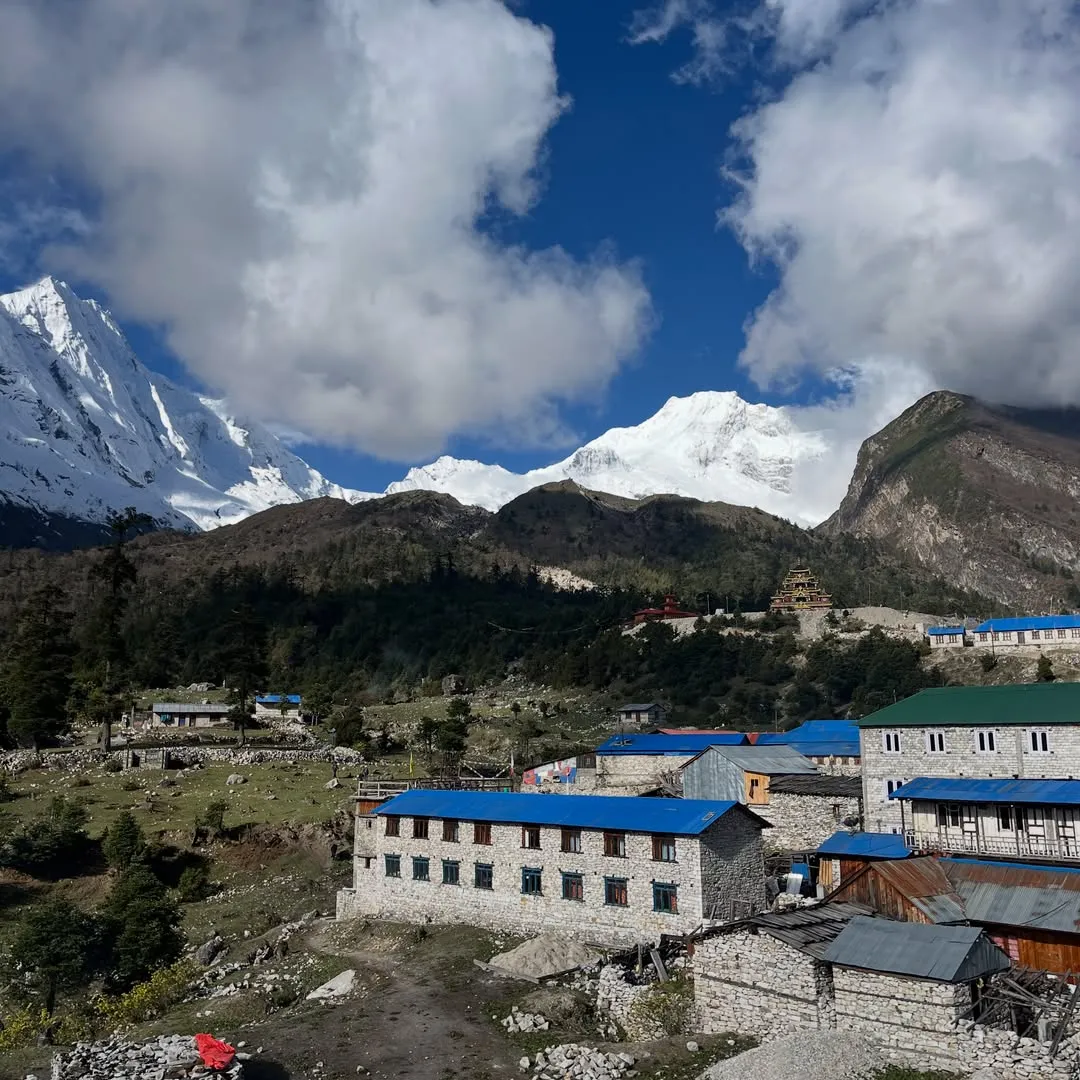
Manaslu Family Trek – 12 Days
Manaslu Family Trek – 12 Days
Manaslu Luxury Trek – 14 Days
Manaslu Luxury Trek – 14 Days

Manaslu Photography Trek – 17 Days
Manaslu Photography Trek – 17 Days
 English
 Deutsch
 Svenska
 Dansk
Dansk Русский
 Français
 Português
 Español
 Polski
 简体中文
简体中文 日本語
日本語 ไทย
ไทย العربية
 한국어
한국어