
Quick Answer
The Kanchenjunga South Base Camp route in 2027 threads Limbu and Rai farming villages in the lower Tamur valley, Tibetan refugee settlements at Yamphudin and Tseram, and active Buddhist gompas that anchor the high altitude culture. Plan 14 to 18 days to absorb the full Limbu, Rai, and Tibetan cultural transition from 1,000 metres at Taplejung to 4,740 metres at Oktang.
Detailed Breakdown
The Kanchenjunga South Base Camp Trek starts at Taplejung at 1,820 metres and follows the Tamur and Simbuwa river valleys south of Kanchenjunga. The cultural profile shifts from Limbu and Rai Hindu animist villages in the lower valleys to Tibetan Buddhist settlements at higher elevations.
The first cultural layer is the Limbu heartland around Taplejung and Sinwa. Limbu farmers grow cardamom and rice on terraced fields and practice a syncretic Mundhum religion that blends Hindu, Buddhist, and animist elements. Limbu traditional houses use stone foundations, wooden walls, and thatched roofs.
The second layer begins at Yamphudin at 2,080 metres, where Rai and Limbu villages mix with Tibetan refugee families who arrived after 1959. The third layer at Tseram at 3,870 metres is fully Tibetan Buddhist, with chorten, prayer wheels, and the gompa at Tseram itself. The cultural climax is Oktang at 4,740 metres, the south side viewpoint of Kanchenjunga and a pilgrimage site for both Hindus and Buddhists.
Cost/Component Breakdown
| Component | Cultural focused 14 to 18 day package (2027) |
|---|---|
| Restricted area and conservation permits | $140 per person total |
| TIMS card | $20 per person |
| Taplejung flight or drive from Bhadrapur | $280 flight or $90 jeep |
| Licensed culture guide supplement | $200 to $400 total |
| Teahouse and homestay lodging 16 days | $200 to $320 per person |
| Food budget 16 days | $280 to $400 per person |
| Donation to Tseram and Oktang gompas | $20 to $40 suggested |
| Typical total (2027) | $1,800 to $2,800 per person |
What Affects the Answer
Guide choice is the biggest factor. A standard trekking guide will point at peaks. A culture guide who speaks Limbu and Tibetan will translate the Mundhum origin stories at Sinwa and explain the chorten iconography at Tseram.
Season affects festival access. The Limbu Chasok Tangnam festival falls in late November and offers the deepest cultural exposure. The Buddhist Saga Dawa festival in May brings pilgrims to Oktang.
Homestay availability matters. The Tibetan refugee homestays at Yamphudin and the Limbu homestays at Sinwa need advance booking through the operator because each village has only 4 to 6 family rooms.
Booking Tips
Ask for a culture focused itinerary rather than a fast base camp out and back. A culture guide adds $200 to $400 to the total but transforms the experience.
Reserve homestays at Sinwa and Yamphudin at least 30 days ahead. The village hosts rotate, but peak October weeks fill up.
Pay in USD with a 25 percent deposit. Carry small NPR notes for gompa donations, which are requested in cash at the door.
Comparison With Alternatives
The Tsum Valley Trek offers a similar Tibetan Buddhist cultural depth at lower altitude and with shorter access from Kathmandu. For trekkers who want the cultural focus without the 18 day Kanchenjunga commitment, Tsum Valley is the stronger pick.
The Manaslu Circuit offers Tibetan Buddhist villages at higher altitude and similar cultural intensity, but with more crowds. Kanchenjunga South wins on solitude and Limbu Rai culture that Manaslu lacks entirely.
Common Mistakes to Avoid
Do not rush Tseram. Trekkers who pass through in a single night miss the gompa evening prayer and the yak herder visits.
Do not photograph people or gompa interiors without asking. The Tibetan refugee communities are sensitive to uninvited photography.
Do not skip the Limbu villages at Sinwa. The fast route via the Pha Khola shortcut bypasses them entirely and loses the lower valley culture layer.
Do not arrive at Oktang during a Hindu pilgrimage without a plan. The small camp fills up and trekkers sleep in the kitchen tent.
FAQ
Which villages are the cultural highlights?
Sinwa for Limbu culture, Yamphudin for the Tibetan refugee settlement, Tseram for the active Buddhist gompa, and Oktang for the pilgrimage viewpoint of Kanchenjunga.
Do I need a culture guide?
Not strictly, but a guide who speaks Limbu and Tibetan adds significant depth. The supplement runs $200 to $400 on top of the standard package.
Are homestays available on the route?
Yes, at Sinwa and Yamphudin. Reserve at least 30 days ahead through your operator because each village has only 4 to 6 family rooms.
What festivals should I time for?
The Limbu Chasok Tangnam festival in late November and the Buddhist Saga Dawa in May are the two strongest cultural windows on the route.
Can I visit the gompas as a non Buddhist?
Yes, visitors are welcome at Tseram and Oktang gompas. Remove shoes before entering, walk clockwise around the chorten, and leave a small cash donation in the box by the door.
Summary
The Kanchenjunga South Base Camp route offers a layered Limbu, Rai, and Tibetan Buddhist cultural experience across 14 to 18 days and 1,000 to 4,740 metres of altitude. A culture guide and homestay bookings at Sinwa and Yamphudin transform the trip.
Conclusion
For culture seekers in 2027, choose a 16 to 18 day Kanchenjunga South Base Camp itinerary that includes Sinwa, Yamphudin, and Tseram rather than a fast base camp out and back. The Limbu and Tibetan layers of the route are the actual highlight, not just the peak view.
Recommended Trek Packages
Trekking Places to Explore
Explore Trips in Nepal
Hand-picked guided trips to this destination
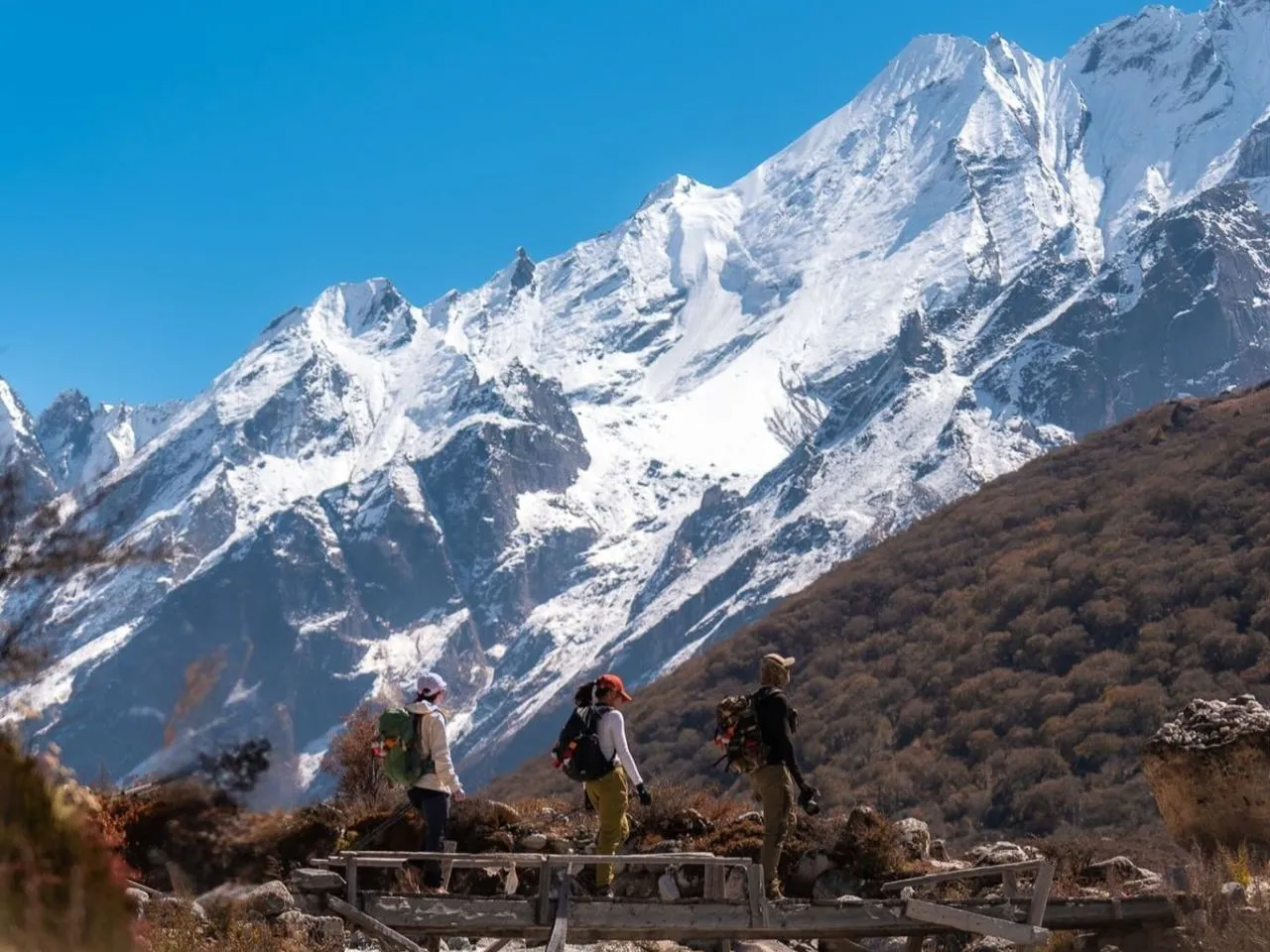
Langtang Luxury Trek – 10 Days
Langtang Luxury Trek – 10 Days
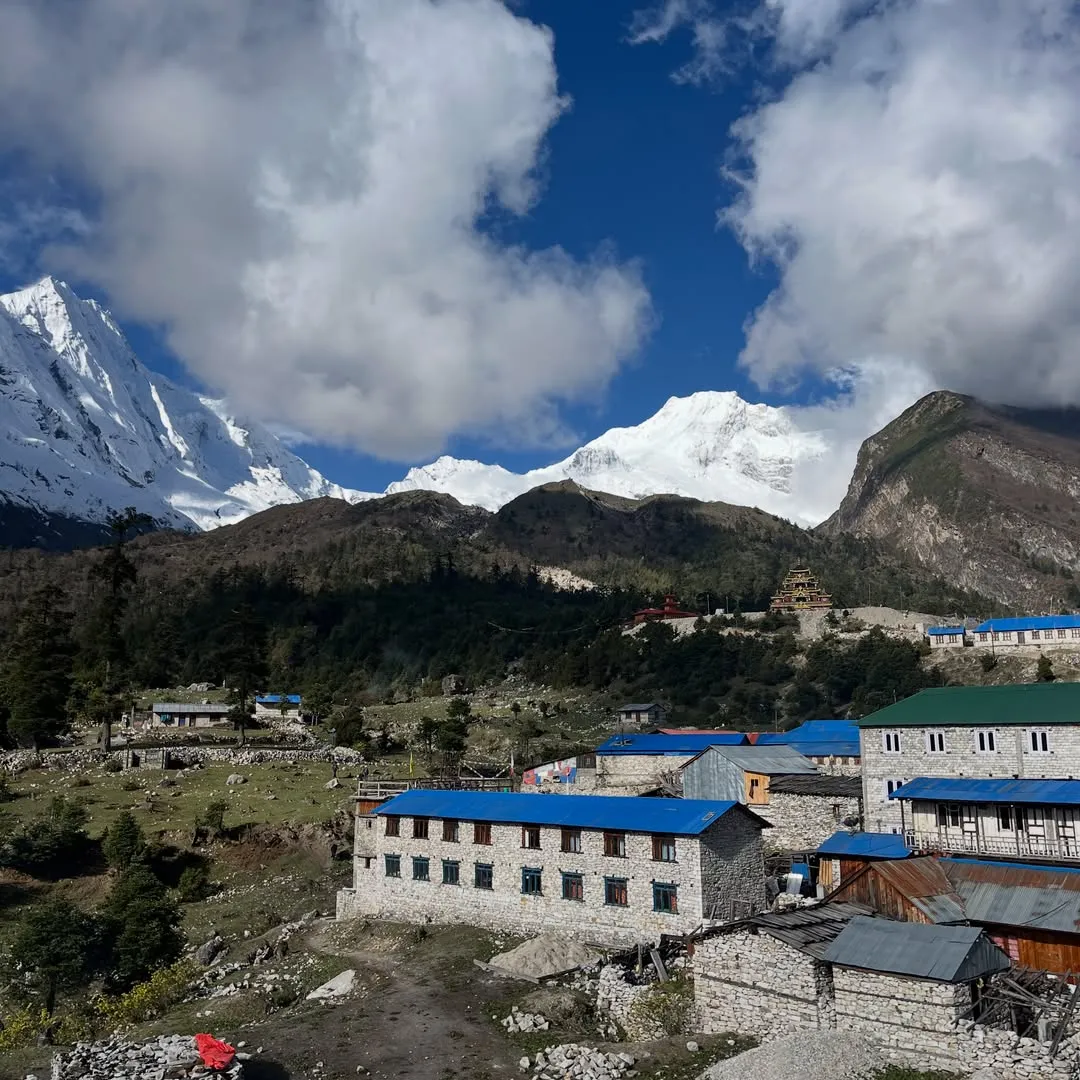
Manaslu Family Trek – 12 Days
Manaslu Family Trek – 12 Days
Manaslu Luxury Trek – 14 Days
Manaslu Luxury Trek – 14 Days

Manaslu Photography Trek – 17 Days
Manaslu Photography Trek – 17 Days
 English
 Deutsch
 Svenska
 Dansk
Dansk Русский
 Français
 Português
 Español
 Polski
 简体中文
简体中文 日本語
日本語 ไทย
ไทย العربية
 한국어
한국어