
Quick Answer
Humla takes 18 to 24 days and routes through Simikot, Hilsa, and Lake Manasarovar before the Kailash kora. Kerung takes 10 to 14 days via Rasuwagadhi border crossing and offers a faster, cheaper yatra. Humla wins on acclimatisation and cultural depth, Kerung wins on time, cost, and visa reliability.
Detailed Breakdown
The Kailash Mansarovar Yatra has two main Nepal entry routes. The Humla route is the older pilgrimage corridor, walking from Simikot at 2,985 m through the Humla district to the Hilsa border at 3,645 m, then driving across the Tibetan plateau to Lake Manasarovar at 4,590 m and Mount Kailash at 5,638 m. The Kerung route crosses at Rasuwagadhi at 1,750 m, drives up to Kerung town at 2,700 m, then climbs to Manasarovar and Kailash.
Humla adds 6 to 8 walking days before reaching Tibet. The trail climbs gradually from subtropical Karnali river valleys to alpine meadows, which lets trekkers acclimatise before crossing 4,500 m. Kerung travellers gain altitude fast: from 1,750 m at the border to 4,590 m at Manasarovar in two driving days, which raises altitude sickness risk.
The Kerung route replaced the older Kodari route after the 2015 earthquake damaged the Friendship Bridge. Kerung is now the main overland trade crossing and the most reliable Tibet entry for yatra groups.
Cost/Component Breakdown
| Component | Humla Route | Kerung Route |
|---|---|---|
| Total duration | 18 to 24 days | 10 to 14 days |
| Total cost 2027 | $3,200 to $4,500 | $2,200 to $3,000 |
| Tibet Travel Permit | Included | Included |
| Humla restricted-area permit | $80 to $120 | Not required |
| Chinese group visa | $85 to $110 | $85 to $110 |
| Helicopter Simikot to Hilsa | $500 to $700 optional | Not required |
| Tibet land transport | Less driving, more walking | More driving, 4x4 convoy |
| Yatra support crew | Guide, cook, porters, yaks | Guide, cook, driver, bus |
What Affects the Answer
Your time budget is the biggest factor. Working professionals and senior pilgrims usually pick Kerung because it fits in a two week leave window. Retirees and serious trekkers often pick Humla for the walking approach.
Altitude tolerance matters. Humla's gradual ascent halves the rate of acute mountain sickness compared with Kerung's fast climb. Trekkers with prior altitude issues should consider Humla.
Political and border conditions change yearly. In 2027, the Kerung crossing remains open but is subject to sudden closures tied to China's border policy. Humla crossings via Hilsa run more consistently through the May to September yatra window.
Booking Tips
Book through a Nepali agency that holds a Tibet Tourism Bureau partnership. The Chinese group visa and Tibet Travel Permit can only be arranged through licensed operators, and individual travel to Kailash is not permitted.
Reserve three to six months ahead for the May to September yatra season. Groups fill by March for July departures. Confirm the route in writing, since some operators switch from Humla to Kerung or vice versa based on permit availability.
Carry USD 400 to USD 600 in cash for personal expenses, tipping, and emergency helicopter evacuations. Card payment does not work in Humla or western Tibet.
Comparison With Alternatives
Compared with the Lhasa to Kailash route, both Humla and Kerung skip the Lhasa acclimatisation days. Lhasa entry adds four days but offers better altitude adaptation and Potala Palace sightseeing. Cost runs USD 1,000 to USD 1,500 higher.
Compared with the Indian Lipulekh route, the Nepal routes avoid the Indian government's quota system and age restrictions. Nepal routes are also faster and cheaper than the Uttarakhand route.
Common Mistakes to Avoid
Booking the Humla route without a buffer day. Helicopter flights from Simikot to Hilsa cancel in cloud, and the alternative five day walk blows the schedule. Plan one buffer day in Simikot.
Treating the Kerung route as easy because it is shorter. The fast altitude gain from 1,750 m to 4,590 m in two days triggers altitude sickness in 30 percent of pilgrims. Build in a rest day at Kerung town.
Underestimating cold at Kailash. The kora's 5,638 m Drolma La pass has wind chill at minus 20 degrees even in July. Bring a minus 20 degree sleeping bag and a four layer clothing system.
FAQ
Which route is safer for first time Kailash pilgrims?
Kerung for those with limited time and no altitude experience, because support infrastructure is denser. Humla for those with trekking experience who want gradual acclimatisation.
Can I switch routes mid yatra?
Usually no. Your Tibet Travel Permit lists the entry point, and Chinese border control checks it. Switching requires a new permit, which takes 10 to 14 days.
Which route costs more in 2027?
Humla runs USD 1,000 to USD 1,500 more because of the extra walking days, crew costs, and optional helicopter. Kerung is the budget option.
Do both routes complete the Kailash kora?
Yes. Both routes reach Darchen and complete the 52 km three day kora over the 5,638 m Drolma La pass. The difference is the approach, not the kora itself.
Summary
Humla and Kerung both reach Kailash and Manasarovar. Humla takes 18 to 24 days and costs USD 3,200 to USD 4,500 for gradual acclimatisation. Kerung takes 10 to 14 days and costs USD 2,200 to USD 3,000 for speed and convenience.
Conclusion
Pick Humla if you have three weeks, want a walking pilgrimage, and value altitude safety. Pick Kerung if you have two weeks, want the lowest cost, and accept the altitude risk. Either way, book through a licensed operator and carry cash for the entire yatra.
Recommended Trek Packages
Trekking Places to Explore
Explore Trips in Nepal
Hand-picked guided trips to this destination
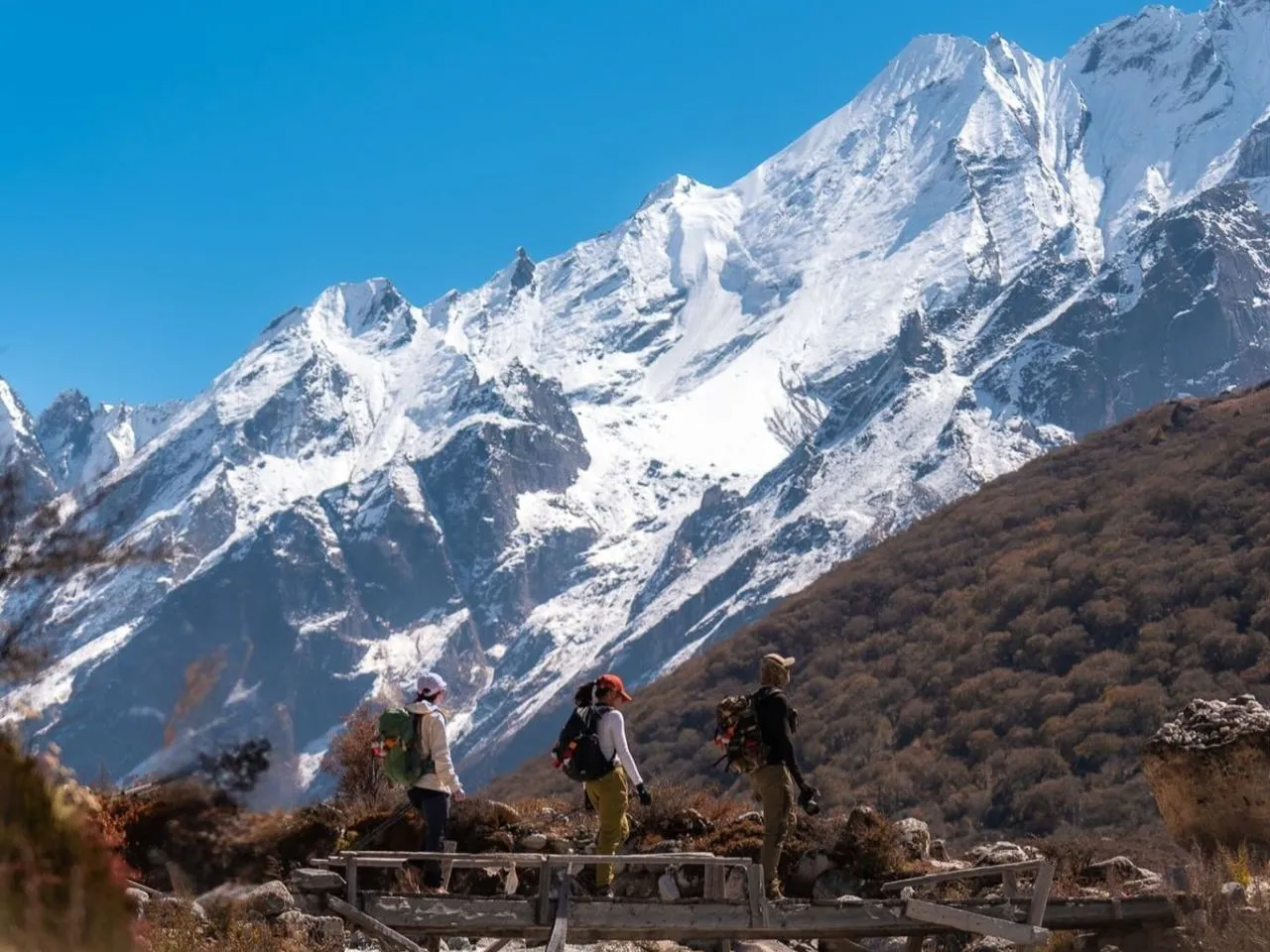
Langtang Luxury Trek – 10 Days
Langtang Luxury Trek – 10 Days
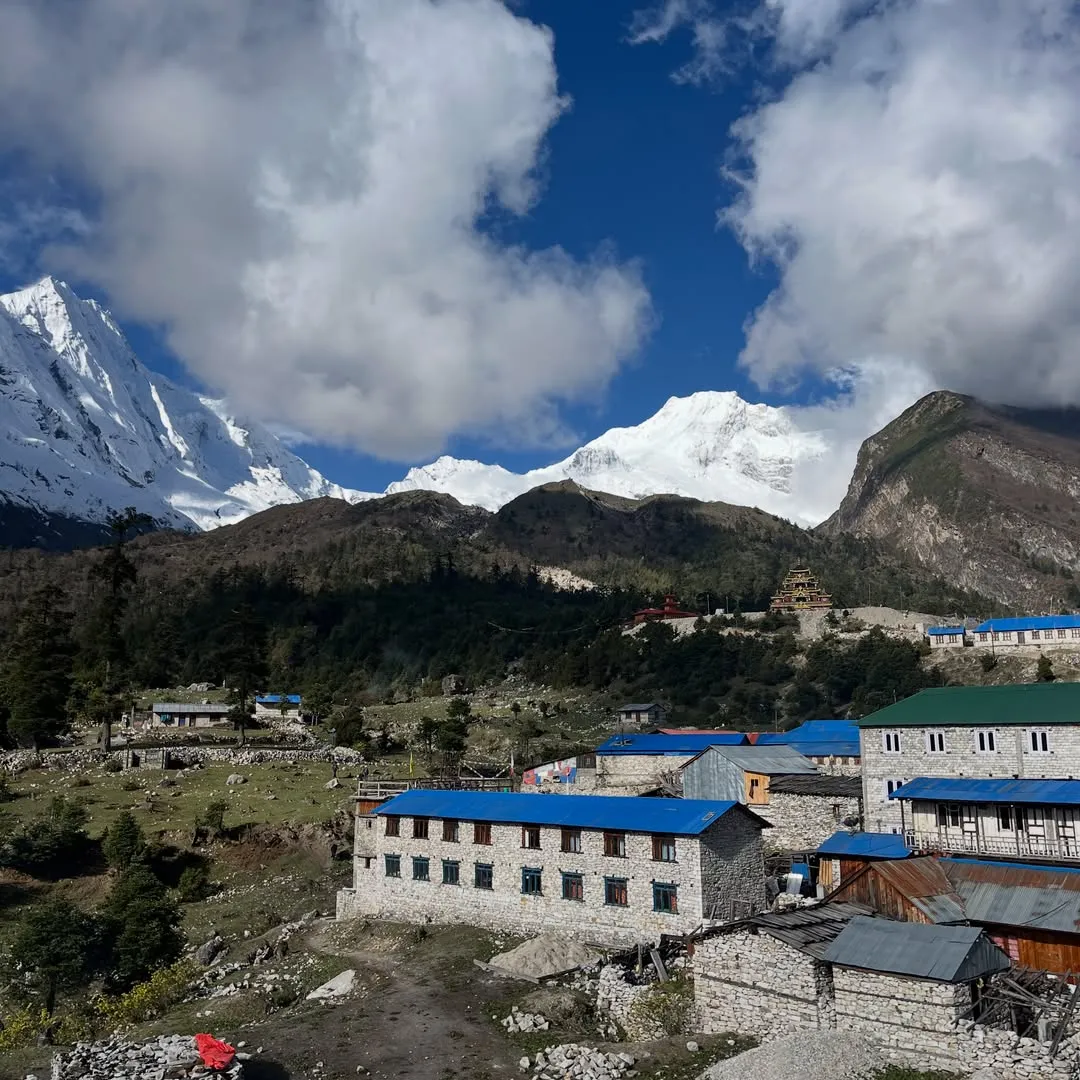
Manaslu Family Trek – 12 Days
Manaslu Family Trek – 12 Days
Manaslu Luxury Trek – 14 Days
Manaslu Luxury Trek – 14 Days

Manaslu Photography Trek – 17 Days
Manaslu Photography Trek – 17 Days
 English
 Deutsch
 Svenska
 Dansk
Dansk Русский
 Français
 Português
 Español
 Polski
 简体中文
简体中文 日本語
日本語 ไทย
ไทย العربية
 한국어
한국어