
Quick Answer
For a Great Himalayan Trail trek in 2027, book with a Kathmandu based local agency rather than an international company, unless you need the international company for single point of contact project management. Local agencies deliver the same route, the same permits, and faster rescue at 30 to 50 percent lower cost. Expect a 90 to 150 day GHT section at $12,000 to $22,000 per person through a local operator, versus $18,000 to $32,000 through an international brand.
Detailed Breakdown
The Great Himalayan Trail runs 1,700km across Nepal from Kanchenjunga in the east to Hilsa in the west, crossing five restricted areas and reaching 6,146m at the Sherpani Col crossing. Most trekkers walk a section rather than the full traverse, but even a 90 day section is a serious expedition that requires permits, porters, satellite comms, and a guide team that changes region by region. The choice between a local and an international operator drives both cost and operational flexibility.
The international company advantage is project management: one contract, one currency, one point of contact, and one invoice. The local agency advantage is everything else: price, permit access, guide quality, and rescue speed.
Cost / Component Breakdown
| Component | Local Agency (USD) | International Company (USD) |
|---|---|---|
| Permits (5 restricted areas) | $1,200 to $1,800 | $1,200 to $1,800 |
| Guide and porter team 90 days | $4,500 to $6,500 | $7,000 to $10,000 |
| Lodges and meals 90 days | $3,000 to $4,500 | $3,500 to $5,000 |
| Domestic flights and road transfers | $1,500 to $2,500 | $1,800 to $3,000 |
| Satellite phone and rescue standby | $400 to $700 | $500 to $900 |
| Operator markup | 10 to 15 percent | 30 to 50 percent |
| Total per person 90 day section | $12,000 to $22,000 | $18,000 to $32,000 |
The same permits and the same lodges cost the same. The markup is the variable.
What Affects the Answer
Group size and trekker experience matter most. A solo trekker with no Nepal experience benefits from an international company because of the project management layer. An experienced group of four or more benefits from a local agency because they can self manage and the cost saving compounds. The GHT section chosen also matters: a Kanchenjunga to Everest section is more standardised and easier for a local agency, while a Dolpo to Humla section is more remote and benefits from a local operator with far west experience.
Rescue infrastructure is the third factor. A Kathmandu based local agency has direct lines to the helicopter operators and can launch a rescue in under 2 hours. An international company has to relay through their local subcontractor, adding 1 to 3 hours to the response time.
Booking Tips / Practical Advice
If you choose a local agency, ask for two client references from previous GHT groups in the past 36 months. Ask the operator to name the lead guide for each section, because GHT guides are regional specialists, not one person for the whole route. Insist on a written rescue protocol that names the helicopter operator and the maximum response time.
If you choose an international company, ask them in writing who their local subcontractor is, and what their markup covers. The answer should be project management, single point of contact, and pre trip preparation, not operational superiority. Pay the deposit only to a bonded or insured company.
Comparison With Alternatives
Compared with a regular Everest Base Camp trek where the local versus international choice is minor, GHT is the route where the choice matters most because the money at stake is 10 to 20 times higher. Compared with Upper Dolpo or Kanchenjunga alone, GHT multiplies the permit complexity and the rescue response time, which favours a local agency with regional specialists.
A hybrid model works well: book with a local agency but hire an international consultant for pre trip planning if your group is large or inexperienced. This captures the local cost advantage and the international project management layer separately.
Common Mistakes to Avoid
Do not assume the international brand operates the trek themselves. Most subcontract to a Kathmandu agency and add a markup. Do not choose a local agency without checking their GHT track record; many excellent Annapurna operators have never run a GHT section. Do not skip the rescue protocol clause in the contract. Do not pay more than 25 percent deposit before arrival in Kathmandu.
Avoid operators who quote below $12,000 per person for a 90 day GHT section. They are cutting corners on porter wages, food, or rescue coordination.
Frequently Asked Questions
These are the questions expedition planners ask us most often when choosing a GHT operator.
Summary
Book GHT with a Kathmandu based local agency unless you need single point of contact project management. Local agencies deliver the same route and faster rescue at 30 to 50 percent lower cost, typically $12,000 to $22,000 per person for a 90 day section.
Conclusion
The Great Himalayan Trail is the route where the local versus international choice matters most, and the math favours a local agency for almost every group. Use the framework above in 2027 and you will save $6,000 to $10,000 per person without losing operational quality.
Recommended Trek Packages
Trekking Places to Explore
Explore Trips in Nepal
Hand-picked guided trips to this destination
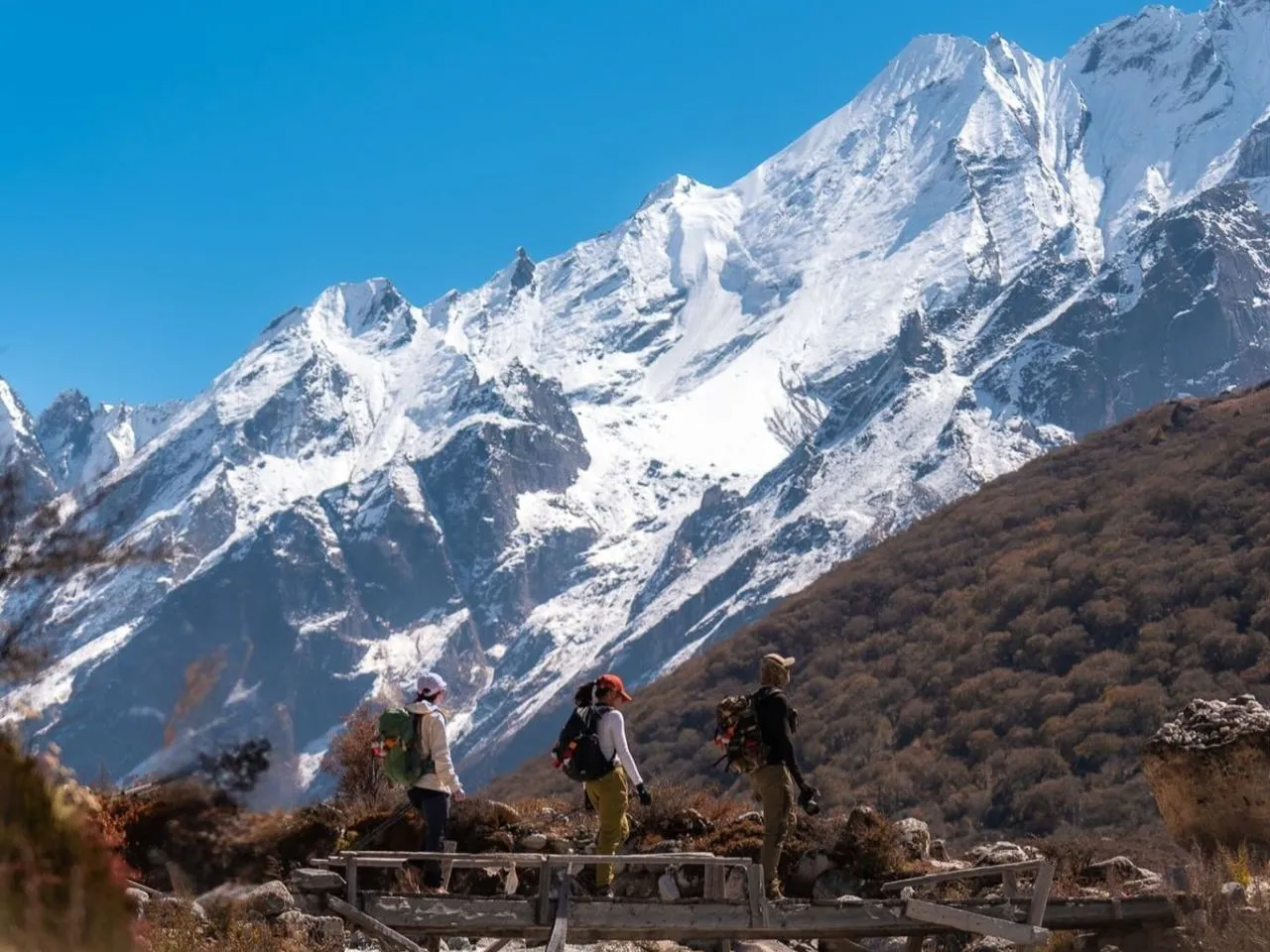
Langtang Luxury Trek – 10 Days
Langtang Luxury Trek – 10 Days
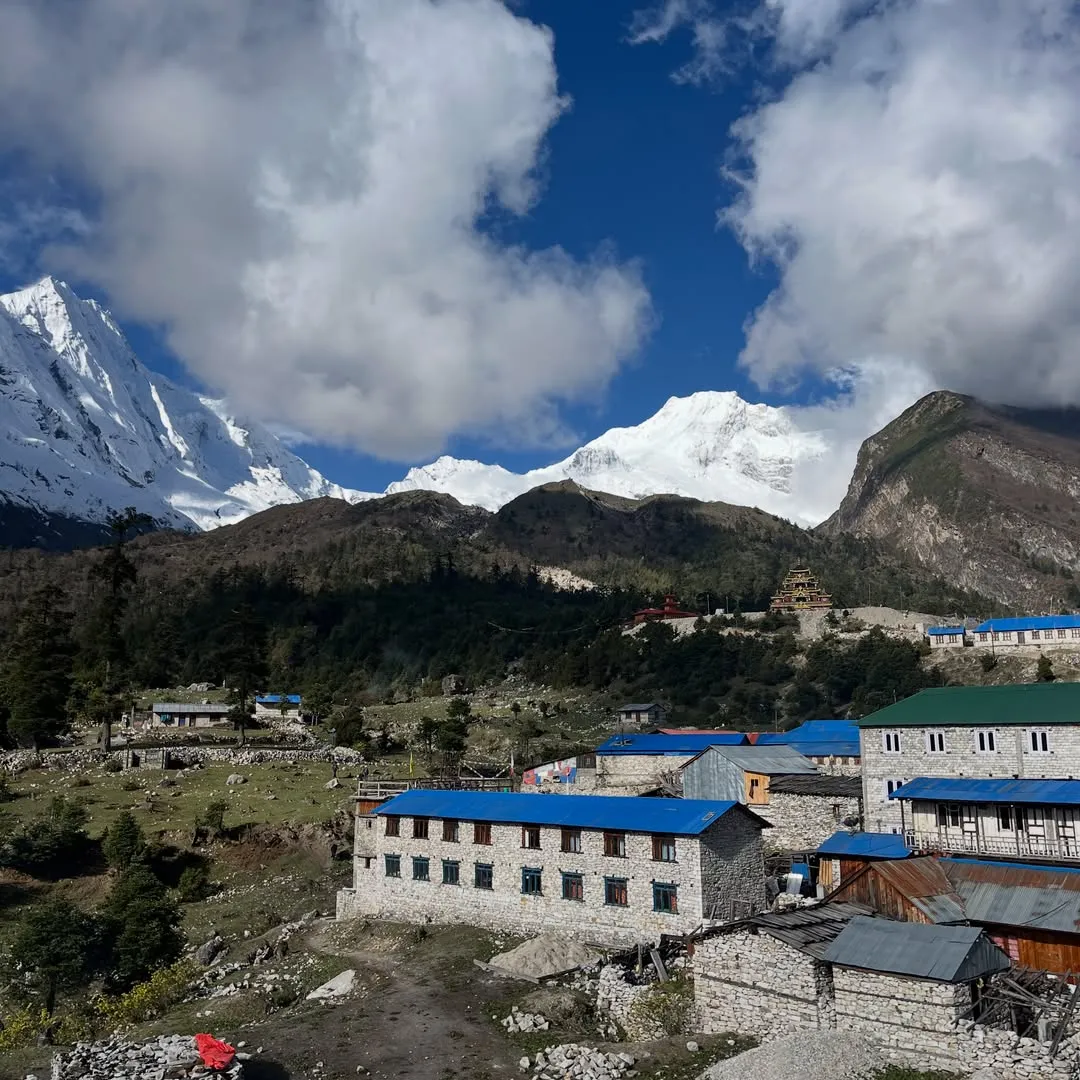
Manaslu Family Trek – 12 Days
Manaslu Family Trek – 12 Days
Manaslu Luxury Trek – 14 Days
Manaslu Luxury Trek – 14 Days

Manaslu Photography Trek – 17 Days
Manaslu Photography Trek – 17 Days
 English
 Deutsch
 Svenska
 Dansk
Dansk Русский
 Français
 Português
 Español
 Polski
 简体中文
简体中文 日本語
日本語 ไทย
ไทย العربية
 한국어
한국어