
Quick Answer
Crossing Ganja La Pass at 5,130 m requires crampons, microspikes, a 9 mm fixed rope for the 80 m headwall, a minus 20 sleeping bag, a 4 season tent, a climbing Sherpa with prior Ganja La experience, and a camping crew on the Kyanjin side. The 9 to 13 day trek costs $1,400 to $2,200 per person. Avoid October fresh snow days above 30 cm and book 8 weeks ahead for the Langtang National Park permits.
Detailed Breakdown
Ganja La Pass at 5,130 m links the Langtang Valley with the Helambu region. The standard route starts at Syabrubesi at 1,550 m, climbs through Lama Hotel, Ghoretabela, and Langtang Village to Kyanjin Gompa at 3,870 m, ascends Kyanjin Ri at 4,773 m for acclimatization, then crosses Ganja La at 5,130 m to descend through Ngegang to Tarkeghyang, Sermathang, and Melamchi Pul. Total distance is 90 to 110 km over 9 to 13 walking days plus 2 travel days.
The pass crossing day involves a 1,260 m ascent from high camp at 3,870 m or a longer push from Kyanjin, a 50 m vertical snow slope on the north side, and a 900 m descent on the Helambu side. The pass sees 5 to 15 crossings per week in October, so trail breaking is required after fresh snow. The route has no teahouse between Kyanjin and Tarkeghyang, so a camping crew with tent, food, and cook is mandatory.
Cost/Component Breakdown
| Item | Cost Range | Notes |
|---|---|---|
| Langtang National Park permit | $30 | Required |
| Shivapuri permit (Helambu exit) | $10 | Required if exiting Melamchi |
| TIMS Card | $17 | Standard trekking permit |
| Kathmandu to Syabrubesi jeep | $40 to $80 | One way private jeep |
| Melamchi to Kathmandu jeep | $30 to $50 | One way private jeep |
| Guide and climbing Sherpa 13 days | $450 to $650 | Sherpa leads pass crossing |
| Porter crew and cook 13 days | $300 to $450 | One porter per trekker plus cook |
| Tent camping Ngegang night | $40 to $60 | Includes tent and full board |
| Teahouse lodging 11 nights | $80 to $120 | Kyanjin and Helambu sections |
| Meals on trek | $250 to $350 | Full board including camping |
| Equipment rentals | $80 to $150 | Crampons, sleeping bag, down jacket, tent |
| Crew insurance, pass bonus, tips | $120 to $180 | Pass crossing bonus for Sherpa |
| Total per person | $1,400 to $2,200 | For 9 to 13 day trek |
What Affects the Answer
Three factors shape the gear list. Snow conditions: in October and November the north side of the pass holds 30 to 60 cm of snow, requiring crampons and a fixed rope. In April and May the snow is firmer and microspikes suffice. Group size: solo trekkers need a climbing Sherpa plus a porter, since trail breaking is exhausting. Groups of 3 plus can rotate the lead. Direction: the standard route crosses north to south, which puts the steep headwall on the ascent. South to north puts the headwall on the descent and is more dangerous.
Booking Tips
Book the Ganja La Pass trek 8 weeks ahead for October departures since climbing Sherpa crew is limited. Confirm the operator assigns a climbing Sherpa with at least 3 prior Ganja La crossings, not a standard trekking guide. Ask for a satellite weather forecast subscription for the pass crossing day. Carry microspikes, a 30 liter summit pack, an ascender for the fixed rope, and a minus 20 sleeping bag. Bring 25,000 to 35,000 Nepali rupees cash past Syabrubesi. Confirm the camping crew includes a cook and kitchen helper for the Ngegang night.
Comparison With Alternatives
The Langtang Valley Trek without the pass crossing costs $900 to $1,400 for 8 to 11 days and offers Kyanjin Ri at 4,773 m with no technical gear. The Langtang Gosaikunda combined trek costs $1,100 to $1,700 for 12 to 15 days and crosses Laurebina La at 4,610 m with no fixed rope. The Helambu Trek costs $500 to $900 for 5 to 8 days and stays below 4,000 m. The Ganja La Pass trek is the only Langtang route that requires technical gear and is best for trekkers with prior 5,000 m pass experience.
Common Mistakes to Avoid
Avoid booking Ganja La as a 7 day itinerary, since the 1,260 m ascent from Kyanjin to the pass on day 5 without acclimatization raises altitude sickness risk by 60 percent. Do not attempt the pass without a climbing Sherpa leading, since the headwall is exposed and trail breaking is technical in fresh snow. Avoid crossing south to north, since the 80 m headwall descent on loose snow is more dangerous than the ascent. Do not skip the Kyanjin Ri acclimatization day at 4,773 m. Avoid the pass in December to February when snow closes the route.
FAQ
Do I need crampons for Ganja La Pass?Yes from October to November. The north side holds 30 to 60 cm of snow and the 80 m headwall is on a 45 degree slope. In April and May microspikes may suffice but crampons remain the safer choice.
Can I cross Ganja La without a climbing Sherpa?No for first-timers. The route is unmarked past Kyanjin, the headwall requires a fixed rope, and trail breaking in fresh snow is technical. Hire a climbing Sherpa with at least 3 prior Ganja La crossings.
Is there a teahouse at Ngegang on the Helambu side?One basic stone shelter exists at Ngegang at 4,100 m with 6 beds and a wood stove. Book through the operator. Carry a tent as backup since the shelter fills in October.
What is the best season to cross Ganja La?Late April to early June for firmer snow and clearer weather. October is the second choice with fresh snow risk. Avoid November to March for winter conditions and June to September for monsoon clouds.
Summary
Ganja La Pass at 5,130 m requires crampons, microspikes, a fixed rope, a minus 20 sleeping bag, a 4 season tent, a climbing Sherpa, and a camping crew. The 9 to 13 day trek costs $1,400 to $2,200 per person. Book 8 weeks ahead, cross north to south, and pick late April to early June for the best conditions.
Conclusion
Book the Ganja La Pass trek for a technical 5,000 m pass crossing in the Langtang range. Hire a climbing Sherpa with 3 prior crossings, carry crampons and a fixed rope, and bring a 4 season tent for the Ngegang night. Cross north to south, add the Kyanjin Ri acclimatization day, and pick late April to early June for firmer snow. Budget $1,400 to $2,200 per person for 9 to 13 days including camping crew and crew insurance.
Recommended Trek Packages
Trekking Places to Explore
Explore Trips in Nepal
Hand-picked guided trips to this destination
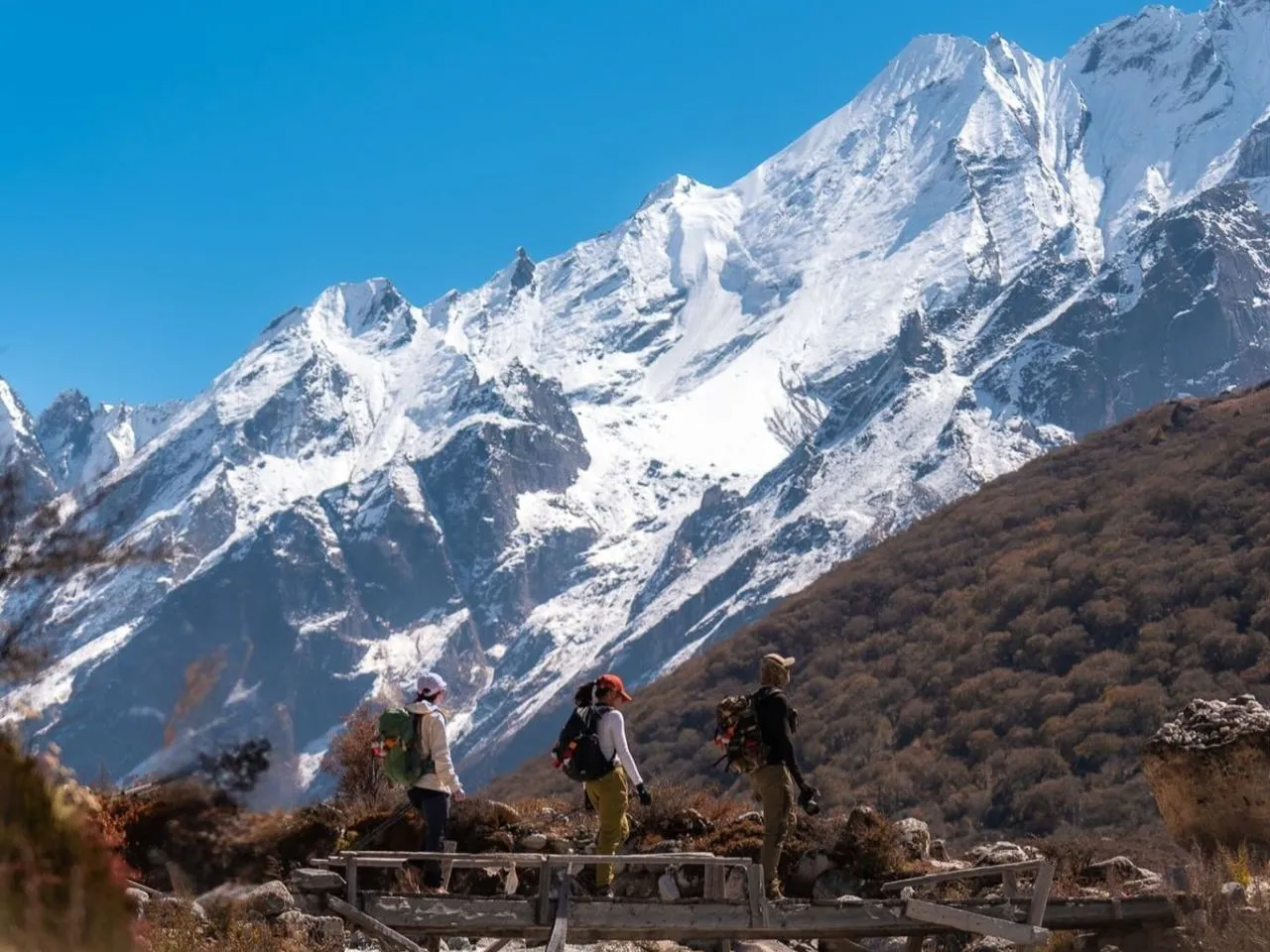
Langtang Luxury Trek – 10 Days
Langtang Luxury Trek – 10 Days
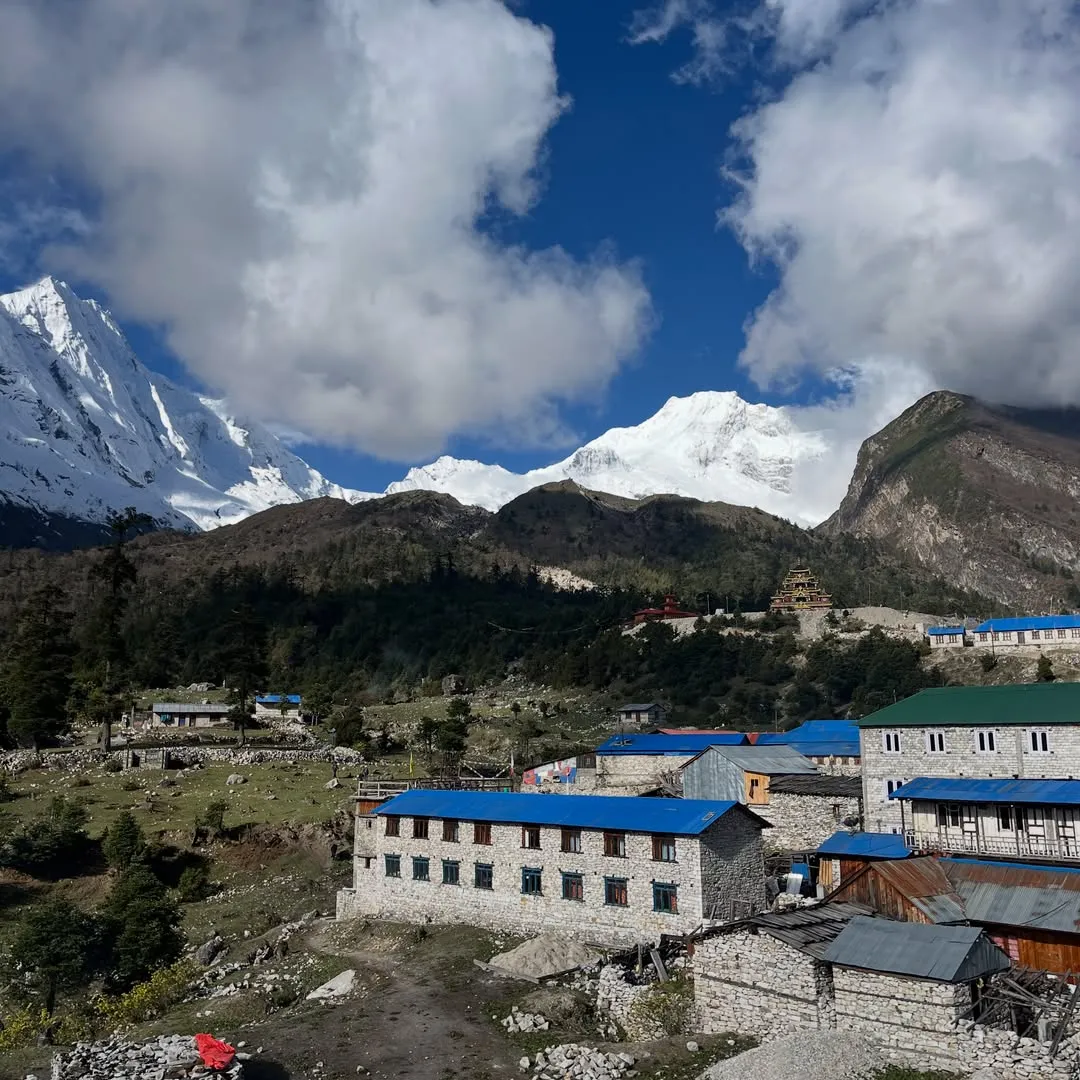
Manaslu Family Trek – 12 Days
Manaslu Family Trek – 12 Days
Manaslu Luxury Trek – 14 Days
Manaslu Luxury Trek – 14 Days

Manaslu Photography Trek – 17 Days
Manaslu Photography Trek – 17 Days
 English
 Deutsch
 Svenska
 Dansk
Dansk Русский
 Français
 Português
 Español
 Polski
 简体中文
简体中文 日本語
日本語 ไทย
ไทย العربية
 한국어
한국어