
Quick Answer
If the Api Nampa trek includes full camping support, you need to bring personal gear only: minus 15 Celsius sleeping bag, 4-season down jacket, insulated trekking boots, layered base and mid layers, 35 to 45-liter day pack, headlamp with spare batteries, and personal items. The operator provides tents, mess and kitchen, cook team, food, and group first aid. Budget $800 to $1,400 to buy or $250 to $400 to rent personal gear in Kathmandu for 2027.
With camping support, your gear load is much lighter than a self-supported trek.
Detailed Breakdown
The Api Nampa trek in far western Nepal reaches the base of Api at 7,132m and Nampa at 6,755m, crossing the Api Nampa Conservation Area over 16 to 22 days. The trek has no commercial teahouses above Gokuleshwor or Talkot, so camping support is mandatory. The operator provides 2-person tents, mess tent, kitchen tent, toilet tent, cook team, food supplies, and group gear like rope and first aid. Trekkers carry only a day pack with personal gear and clothing.
Personal gear focuses on warmth, comfort, and altitude safety. The trek reaches 4,500 to 5,200m at high passes, with cold nights dropping below minus 10 Celsius even in spring. Insulated boots, layered clothing, and a warm sleeping bag are essential. Because porters carry the bulk, your day pack stays at 8 to 12 kg, manageable for most trekkers.
Cost / Component Breakdown
Here is the 2027 personal gear cost table for the Api Nampa trek with camping support.
| Gear Item | Buy Cost | Rent in Kathmandu |
|---|---|---|
| Minus 15 Celsius sleeping bag, down | $250 to $400 | $50 to $80 for 18 days |
| 4-season down jacket, 800 fill | $200 to $350 | $35 to $55 for 18 days |
| Insulated trekking boots, waterproof | $200 to $350 | $60 to $90 for 18 days |
| Layered base layers, merino wool | $120 to $200 | Not rented |
| Mid layers, fleece and soft shell | $100 to $180 | Not rented |
| Hard shell jacket and pants, Gore-Tex | $250 to $450 | $40 to $70 for 18 days |
| 35 to 45-liter day pack | $80 to $150 | $15 to $25 for 18 days |
| Headlamp, 350 lumens plus spare | $40 to $80 | $10 to $15 |
| 4-season mittens and gloves | $60 to $120 | Not rented |
| Trekking poles, 4-season | $60 to $120 | $15 to $25 for 18 days |
| Total personal gear 2027 | $800 to $1,400 buy | $250 to $400 rent |
Operator provides tents, mess, kitchen, cook, food, group first aid.
What Affects the Answer
Season is the biggest factor, with October and November coldest at altitude and requiring full 4-season gear. March and April are slightly warmer but snowier on passes. Group size affects porter availability, with smaller groups having more porter support per trekker. Operator tier affects what group gear is provided, with quality operators supplying better tents, mess gear, and first aid. Personal cold tolerance affects layer choices, but every trekker needs the full gear list at 5,200m.
- Season: October and November need 4-season gear; March and April similar.
- Group size: Smaller groups have more porter support per trekker.
- Operator tier: Premium operators supply better group gear.
- Altitude: Above 4,500m drops to minus 10 Celsius at night.
- Day pack weight: 8 to 12 kg with personal gear and water.
Booking Tips / Practical Advice
Reserve rental gear in Kathmandu 30 days before arrival, because 4-season sleeping bags and insulated boots sell out in peak season. Buy personal items like base layers, gloves, and socks at home, because fit and comfort matter. Bring 2 sets of base layers, 2 sets of trekking socks per day, and 1 set of camp clothes kept dry for evenings. Carry a headlamp with spare batteries and a backup headlamp.
Break in your boots before the trek, walking 20 to 30 km in them with a loaded pack. New boots on an 18-day camping trek cause blisters that can end the trip. Test your layering system in cold conditions at home, and pack everything in dry bags inside your day pack. Carry a small repair kit with duct tape, needle and thread, and spare buckles.
Comparison With Alternatives
Compared with the Saipal Base Camp trek, Api Nampa has similar camping setup and gear needs. Compared with the Upper Dolpo trek, Api Nampa is shorter but similar altitude and gear. Compared with teahouse treks like Annapurna or Everest, Api Nampa needs warmer sleeping bag and more layers because of camping and cold nights.
Common Mistakes to Avoid
Do not bring a 3-season sleeping bag, because camping nights above 4,000m drop below minus 5 Celsius. Avoid new boots without break-in. Never pack without dry bags, because rain and snow will soak your gear. Skip operators that do not provide quality tents and group first aid.
Frequently Asked Questions
Here are the questions trekkers ask us most about Api Nampa gear.
Summary
With camping support on the Api Nampa trek, bring personal gear only: minus 15 sleeping bag, 4-season down jacket, insulated boots, layered clothing, 35 to 45-liter day pack, headlamp, and trekking poles. Budget $800 to $1,400 to buy or $250 to $400 to rent in Kathmandu for 2027. Reserve rental gear 30 days ahead, break in your boots, and pack in dry bags.
Conclusion
The Api Nampa trek with camping support keeps your personal gear load manageable while the operator handles tents, food, and group logistics. Spend $800 to $1,400 on quality personal gear or $250 to $400 on rentals, break in your boots, and test your layering system at home. The right personal gear keeps you warm at 5,200m and comfortable in camp. Trekkers who prepare personal gear properly finish Api Nampa; those who skimp do not.
Recommended Trek Packages
Trekking Places to Explore
Explore Trips in Nepal
Hand-picked guided trips to this destination
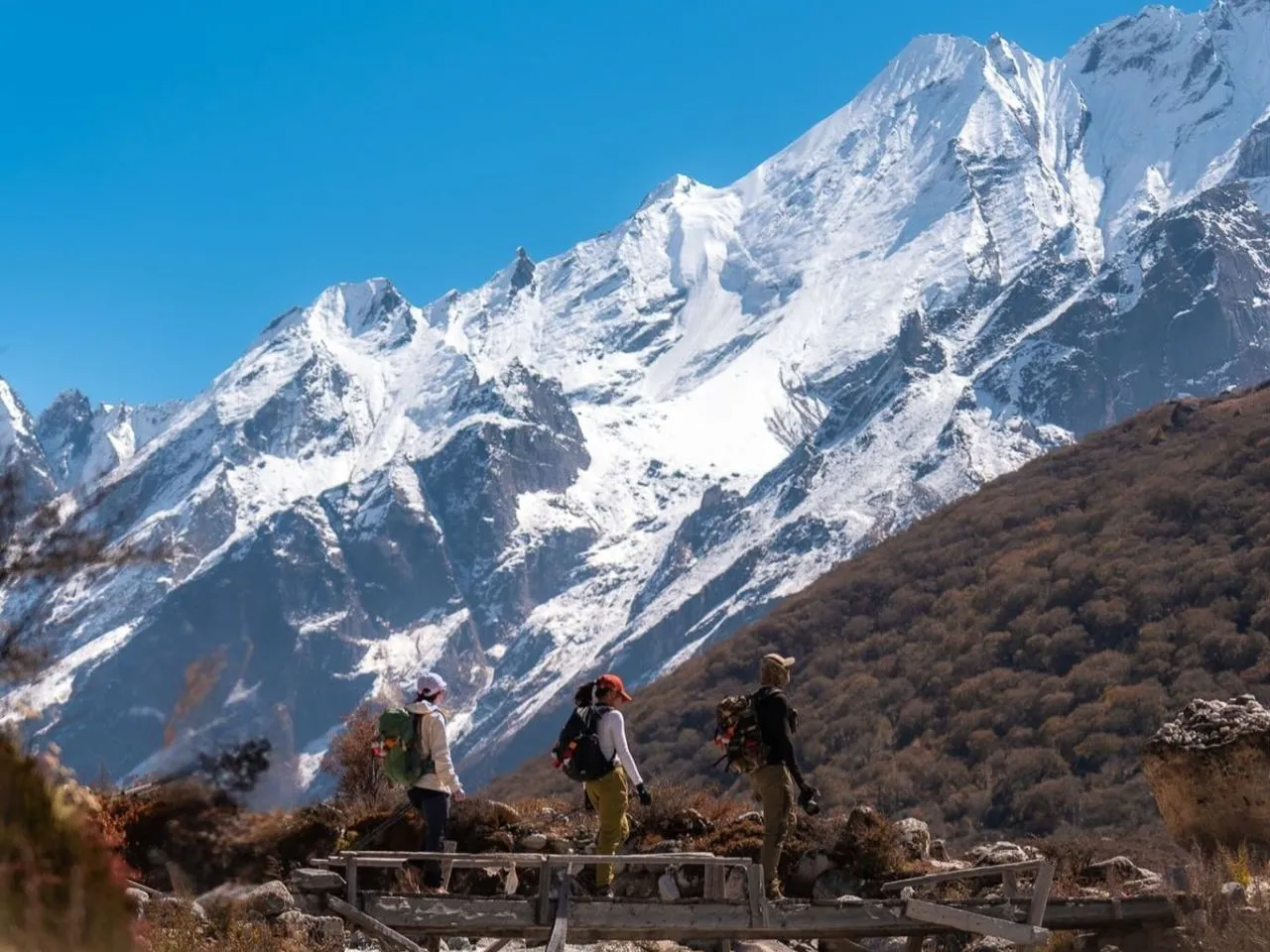
Langtang Luxury Trek – 10 Days
Langtang Luxury Trek – 10 Days
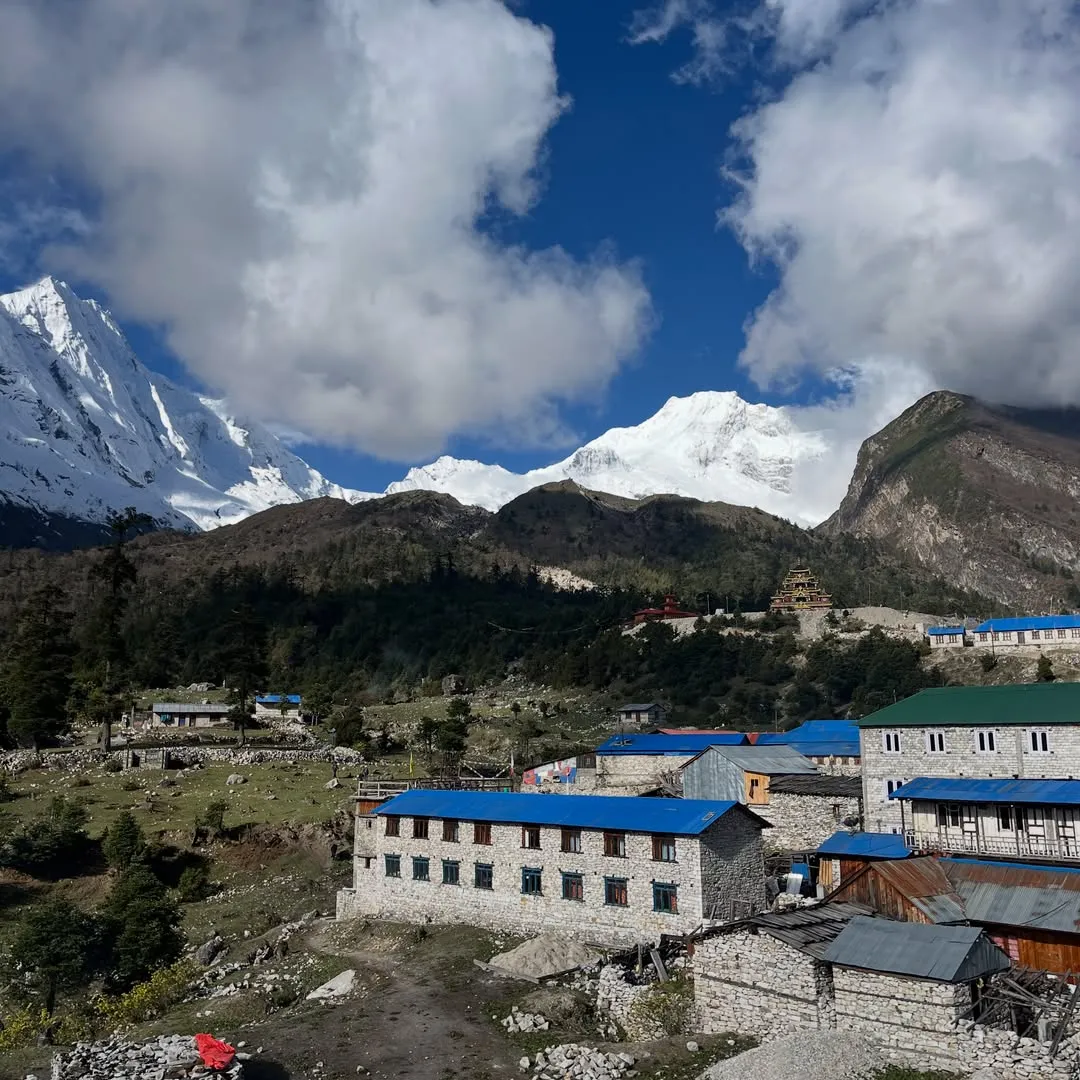
Manaslu Family Trek – 12 Days
Manaslu Family Trek – 12 Days
Manaslu Luxury Trek – 14 Days
Manaslu Luxury Trek – 14 Days

Manaslu Photography Trek – 17 Days
Manaslu Photography Trek – 17 Days
 English
 Deutsch
 Svenska
 Dansk
Dansk Русский
 Français
 Português
 Español
 Polski
 简体中文
简体中文 日本語
日本語 ไทย
ไทย العربية
 한국어
한국어