Trekking in Nepal: Your Ultimate Guide
Lama · 2025-10-14
Your ultimate guide to trekking in Nepal. Discover the best seasons, iconic trails - Everest Base Camp, and expert tips for your Himalayan adventure.
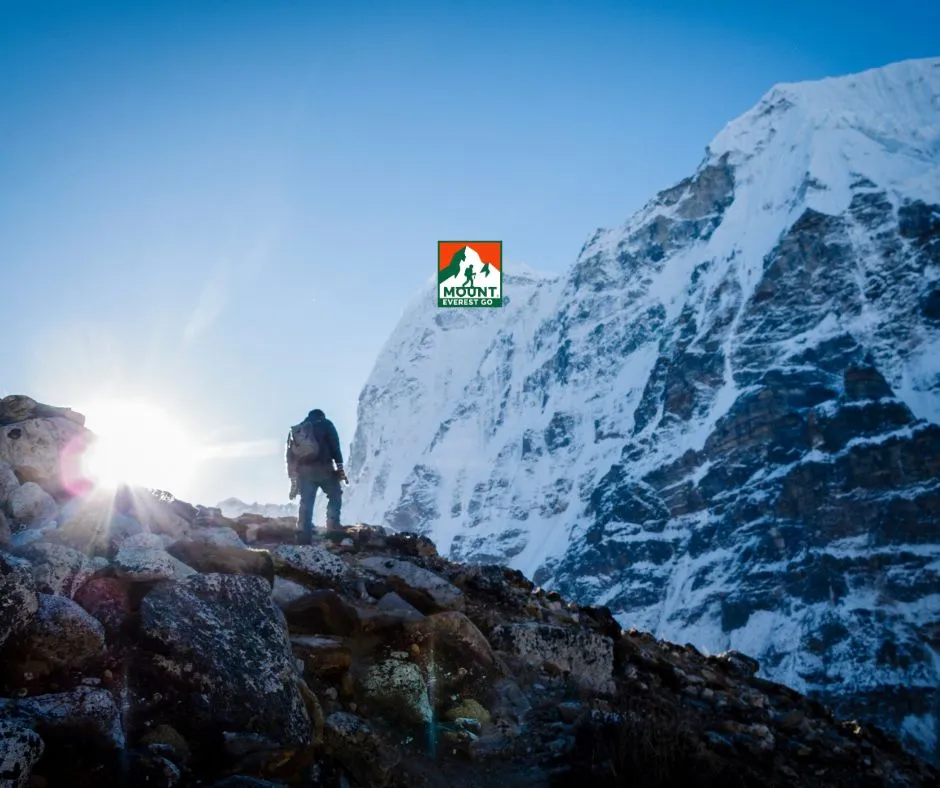
The crisp mountain air bites at your cheeks. Around you, a kaleidoscope of prayer flags flutters in the wind, carrying their silent blessings across the valleys. And in the distance, a jagged crown of snow-dusted peaks pierces a sky so blue it feels infinite. This isn’t just a postcard; it’s a daily reality when you’re trekking in Nepal.
For decades, this small Himalayan nation has been the ultimate pilgrimage site for mountaineers and adventurers. But you don’t need to be a seasoned alpinist to experience its magic. The trails here welcome everyone, from first-time hikers to veteran trekkers, offering a profound connection to nature, culture, and yourself.
This isn’t just another travel guide; it’s a field manual crafted from countless hours on the trail. We’ll walk you through everything you need to know to plan an unforgettable journey, turning your dream of a Himalayan adventure into a reality.
Why Choose Nepal for Your Trekking Adventure?
Beyond the obvious—hosting eight of the world’s ten highest peaks—Nepal offers a trekking experience that is profoundly unique. It’s a journey through a living museum. You’ll walk through terraced fields worked by farmers just as their ancestors did, share smiles and a “Namaste” with locals in remote villages, and find warmth in teahouse dining rooms heated by yak-dung stoves.
The sheer diversity is staggering. One day you might be trekking through a lush, subtropical rhododendron forest, and a few days later, you could be crossing a high alpine pass surrounded by a panorama of glaciated giants. This blend of breathtaking landscapes and rich, welcoming culture is what makes trekking in Nepal a truly transformative experience.
When is the Best Time to Trek in Nepal?
Timing is everything in the Himalayas. Choosing the right season will dramatically impact your views, trail conditions, and overall enjoyment. There are two main trekking windows.
Autumn (September to November)
This is the post-monsoon peak season, and for good reason. The monsoon rains have washed the dust from the atmosphere, leaving the air clear and the mountain views spectacularly sharp. The weather is generally stable, with mild days and cool nights. The trails are bustling with fellow trekkers from around the world, creating a vibrant, energetic atmosphere. It’s also a festive time in Nepal, with major holidays like Dashain and Tihar often falling within these months.
Spring (March to May)
Spring is the second most popular season. The days are getting longer and warmer, and the hillsides come alive with color as the national flower, the rhododendron, bursts into bloom at lower elevations. It’s a beautiful time to be on the trail, though a bit of haze can sometimes obscure distant views, especially in the afternoons. It’s also the primary season for major Everest expeditions, so you might share the trail with teams heading for the summit.
Choosing Your Path: The Most Iconic Treks in Nepal
With countless trails crisscrossing the country, picking one can be the hardest part. Here’s a look at some of the most celebrated routes, suited for different kinds of adventurers.
For the Icon Chaser: 에베레스트 베이스캠프 트레킹
This is it—the big one. The trek to the foot of the world’s highest mountain is on nearly every adventurer’s bucket list. But the Everest Base Camp (EBC) trek is so much more than its destination. It’s a journey into the heart of Sherpa culture. You’ll explore the bustling mountain hub of Namche Bazaar, visit the ancient and revered Tengboche Monastery, and stand in awe of the Khumbu Icefall.
- Duration: 12-14 days
- 난이도: Challenging (due to altitude)
- Best For: Those who want to witness Everest up close and experience the unique Sherpa culture of the Khumbu region.
For the Scenery Lover: 안나푸르나 서킷 트레킹
Often hailed as one of the most beautiful treks in the world, the 안나푸르나 서킷 offers an incredible variety of landscapes. The trail takes you from lush, subtropical villages up through a high, arid landscape resembling the Tibetan plateau. The climax is crossing the formidable Thorong La Pass at 5,416 meters (17,769 feet). While road construction has changed parts of the trek, dedicated NATT (New Annapurna Trekking Trails) paths keep you on scenic footpaths away from the dust.
- Duration: 10-18 days (depending on start/end points)
- 난이도: Challenging
- Best For: Trekkers who crave diverse scenery, from jungles to high mountain passes.
For the Off-the-Beaten-Path Explorer: 마나슬루 서킷 트레킹
If you want the epic scale of the Annapurna Circuit with fewer crowds, the Manaslu Circuit is your answer. Circling the world’s eighth-highest peak, this trek offers stunning views and a more remote, authentic cultural experience. It requires a restricted area permit, which helps preserve its pristine character.
- Duration: 14-16 days
- 난이도: Challenging
- Best For: Adventurous trekkers seeking a wilder, more secluded Himalayan experience.
The Nuts and Bolts: Permits, Guides, and Gear
Proper preparation is the key to a safe and enjoyable trek. Here’s a quick rundown of the practicalities.
Navigating Permits
All trekkers in Nepal need a TIMS (Trekkers’ Information Management System) card and relevant National Park or Conservation Area permits. These can be easily arranged in Kathmandu or Pokhara through the Nepal Tourism Board or a registered trekking agency. Don’t worry, the process is straightforward.
To Guide or Not to Guide?
While some experienced trekkers choose to go independently, hiring a local guide and/or porter is highly recommended. A good guide does more than just show you the way; they are your cultural interpreter, your safety expert, and your connection to the local communities. They can manage your teahouse bookings, help you if you feel unwell, and share stories about the mountains and people who call them home. Plus, hiring local staff directly supports the mountain economy.
Packing Essentials
The golden rule of packing for a Nepal trek is layering. You’ll experience a wide range of temperatures. Your essential gear list should include:
- Broken-in hiking boots: Your most important piece of gear.
- A layered clothing system: Base layers (merino wool), a fleece mid-layer, and a waterproof/windproof outer shell.
- A warm down jacket: For cold evenings and high altitudes.
- A reliable backpack: Around 40-50 liters is usually sufficient.
- Water purification: A filter, UV sterilizer, or tablets are essential to stay hydrated and healthy.
Beyond the Trail: Culture, Food, and Teahouses
One of the most cherished aspects of trekking in Nepal is the teahouse experience. These simple, family-run lodges provide a warm bed and hearty meals. In the evenings, trekkers from all over the world gather in the communal dining room, sharing stories around a pot-bellied stove.
The fuel for your trek will be the surprisingly delicious and filling local food. The national dish, Dal Bhat (lentil soup, rice, and vegetables), is an all-you-can-eat powerhouse of energy. You’ll hear the phrase “Dal Bhat power, 24 hour!” countless times. Also be sure to try momos (dumplings) and garlic soup, which is said to help with acclimatization.
Remember to be a respectful visitor. Learn a few words of Nepali (“Namaste” for hello, “Dhanyabad” for thank you), always walk to the left of Buddhist stupas and mani walls, and ask for permission before taking photos of people.
Your Himalayan Journey Awaits
Trekking in 네팔 is more than just a vacation; it’s a journey that challenges your body, expands your perspective, and opens your heart. The mountains have a way of stripping away the non-essentials, leaving you with a powerful sense of clarity and accomplishment. The trails are waiting.
Are you ready to answer the call of the mountains?
이 칼럼에서 다룬 트레킹 여정
현장 노트에 생생하게 기록된 트레일, 고개, 롯지를 직접 탐방해 보세요.
- 에베레스트 베이스캠프 트레킹
카트만두에서 에베레스트 베이스캠프(해발 5,364m)까지 가이드와 함께하는 14일 티하우스 트레킹
- 마나슬루 서킷 + 춤 밸리 트레킹
- 짧은 안나푸르나 서킷 트레킹
7일 짧은 안나푸르나 서킷 트레킹, 토롱라 고개 횡단, 마낭 & 무크티나트 탐방, 전문 가이드와 함께하는 히말라야 어드벤처, 모든 서비스 포함
유사한 스토리 및 필드 노트
- 에베레스트산은 어디에 있을까? 정상과 등반 루트 안내
에베레스트산은 히말라야 중앙부, 네팔과 중국 국경에 걸쳐 있으며 높이는 8,849m입니다. 정확한 위치와 네팔·티베트 양쪽의 차이, 그리고 트레커들이 에베레스트에 도달하는 방법을 소개합니다.
- EBC Trek 난이도: 초보자도 할 수 있습니까?
- 거머리, 산사태, 구름: 네팔 몬순 트레킹이 그만한 가치가 있습니까?
- 트레킹에서 쉬는 날이 낭비되지 않는 이유
Most trekkers resist the rest day. They feel fine, the trail is there, and sitting still feels like wasted time. Here is what actually happens at altitude when you push through anyway, and why your guide refuses to move.
- Internet & WiFi in the Entire Everest Region: The Complete 2026–2027 Guide (Every Trek + Peak Climbing)
Everest Link cards, NTC vs Ncell, Three Passes, Gokyo, Mera Peak — the only guide covering internet for every route and peak climb in the Khumbu. Updated 2026.
- Nepal Trekking Insurance: What Your Policy Must Cover
Most Nepal trekking policies cap at 4,000m, leaving you unprotected above Namche. Learn exactly what your insurance must cover before you trek the Himalayas.
- Best Time to Trek Everest Base Camp: The Complete Month-by-Month Guide (2026/27)
When is the best time to trek Everest Base Camp? Read our definitive month-by-month guide covering exact temperatures, crowd levels, Lukla flight reliability, festivals & expert local advice for every month of the year.
- Nepal Trekking Etiquette: Mani Wall Rules and Cultural Mistakes
Honest advice on Nepal trekking etiquette. Find out why you must walk clockwise around Mani walls and Chortens. Avoid common cultural mistakes on the trail.