
réponse rapide
Simikot-Hilsa route cancellation terms must cover Nepalgunj to Simikot flight delays, Hilsa helicopter backup, Nara Lagna pass closure, and Kailash yatra connection delays. Demand a force majeure clause listing flight cancellation, cloud cover, and pass closure as named triggers, and a 72 hour buffer at both ends of the trip. For 2027 to 2030 trips, expect an 8 to 12 day itinerary priced at $2,500 to $3,800 per trekker from Kathmandu. Never pay more than a 25 percent deposit, and require the operator to list all weather triggers in writing before paying.
Répartition détaillée
The Simikot-Hilsa route is the classic trekking and Kailash yatra approach to Mount Kailash in Tibet, crossing the Nara Lagna pass at 4,580m and the Humla district of far northwest Nepal. The standard access is a flight from Nepalgunj to Simikot, then a 5 to 7 day trek over the Nara Lagna pass to Hilsa on the Tibet border, and a land cruiser crossing into Tibet. The Nepalgunj to Simikot flight is one of the most unreliable in Nepal, because Simikot airstrip sits in a high valley at 2,965m and is famously fog-prone in summer. The Nara Lagna pass is the second weak link, because heavy snow in October and November can close the pass for 5 to 10 days. The Hilsa border crossing is the third weak link, because Chinese border guards occasionally close the crossing for political or weather reasons with no notice. A 2027 booking therefore lives or dies on how the operator handles disruption, and the good operators write rescheduling, partial refunds, and weather clauses directly into the booking agreement.
Répartition des coûts / composantes
| composante | Coût typique (USD) | Remboursable si annulé par météo ? |
|---|---|---|
| Deposit (25 percent) | $625 to $950 | Oui, si la clause de force majeure est en contrat |
| Retour de vol Népalgunj à Simikot | $240 à $280 | Remboursement de 50 % si la compagnie aérienne annule |
| Hilsa helicopter backup (if flight cancels) | $1,800 to $2,500 per group | Billed to insurance if rescue |
| Chinese visa and Kailash permit | $200 à $300 | Non remboursable une fois émis |
| Salaire des guides et des porteurs | $25 à $35 par jour | ne payez que pour les jours réellement travaillés |
| Camping crew and meals | $30 à $40 par jour | Payez au fur et à mesure |
| Nepalgunj hotel for delays | $30 à $50 par nuit | Operator should cover first 2 nights |
| Frais de report | $0 à $100 | devrait être nul pour les déclencheurs météorologiques |
| Force majeure refund (if triggered) | 70 to 90 percent of unused fee | Less non-refundable permits and visa |
For a 10 day autumn 2028 Simikot-Hilsa trek in a group of four, the total lands near $3,000 per person. The deposit is the money at risk; everything else should be billed only on delivery.
Qu'est-ce qui affecte la réponse
Season is the biggest factor. May to September sees the highest flight cancellation risk because of cloud cover over Simikot, while late September to November is the safest window for trekking but sees early snow on Nara Lagna. The route variant matters because the full Simikot to Hilsa trek with Kailash yatra extension is 14 to 18 days, while the Simikot to Hilsa only trek is 8 to 10 days. Group size also feeds in because the helicopter backup cost splits across the team. Your nationality and visa status affect the lead time, because the Chinese visa and Kailash permit need 21 to 30 days to process. Your travel insurance policy also feeds in, because helicopter rescue above 4,500m is mandatory and trip cancellation cover should be at least $10,000. The operator size matters because larger agencies have helicopter backup contracts, while one-person operators cannot absorb extra Nepalgunj nights.
Conseils de réservation / conseils pratiques
Demand a written force majeure clause that lists flight cancellation, cloud cover, pass closure, and Chinese border closure as named trigger events. Pay no more than a 25 percent deposit, and require the balance to be billed on delivery, not in advance. Confirm that the operator covers the first two extra hotel nights in Nepalgunj if the Simikot flight cancels, because Nepalgunj hotels at $40 per night add up over a 72 hour delay. Carry your trip cancellation insurance policy on the trail, because operators will not refund land costs unless you can show you claimed from your insurer first. Ask for the operator WhatsApp or Viber contact, because phone lines in Simikot and Hilsa are unreliable. Build a 72 hour buffer at both ends of the itinerary, because the return Simikot to Nepalgunj flight can be delayed by the same cloud that delayed the start. Carry $300 in cash for hot showers, charging, bottled drinks, and emergency helicopter co-pay.
Comparaison avec les alternatives
The Limi Valley trek is 14 to 18 days and costs $2,800 to $4,000, with the same Simikot flight access but a longer trek inside Humla. The Kailash yatra via Lhasa is 12 to 14 days and costs $3,500 to $5,000, with a flight to Lhasa instead of the Simikot trek. The Kailash yatra via Kodari is 10 to 12 days and costs $3,000 to $4,500, with a road crossing at the Nepal-China border. The Mugu cultural trek is 14 to 18 days and costs $2,200 to $3,400, with the same far west remoteness but no Tibet crossing. For trekkers wanting the Kailash yatra with the Humla trek approach, the Simikot-Hilsa route is the standard choice.
Erreurs courantes à éviter
Booking without a written force majeure clause is the mistake we see most, because verbal promises do not hold when the Simikot flight cancels for 72 hours. Paying the full trek fee in advance is the second, because it removes your leverage when rescheduling. Skipping trip cancellation insurance is the third, because the Chinese visa and Kailash permit are non-refundable once issued. Choosing a June departure to save $400 on the operator fee is a false economy because the flight cancels most weeks. The last is forgetting the 72 hour buffer at both ends, because missed international connections are the most expensive outcome of a Simikot delay.
Questions fréquentes
What is a force majeure clause for the Simikot-Hilsa route? A written contract term that lists flight cancellation, cloud cover, pass closure, and Chinese border closure as trigger events for free rescheduling or partial refund.
How much deposit is safe to pay for Simikot-Hilsa? 25 percent is the safe maximum. Anything above 30 percent gives the operator too much leverage if you need to reschedule.
What refund can I expect if the Simikot flight cancels for 72 hours? 70 to 90 percent of the unused trek fee, less non-refundable permits and visa, if your contract has the force majeure clause.
Does travel insurance cover Simikot flight cancellations? Yes, if you buy trip cancellation and curtailment cover. Your operator must issue a letter stating flight cancellation or weather as the cause.
Which months have the lowest Simikot flight cancellation risk? Late September to November for trekking, with May the second choice. June to September sees the highest cloud cover risk over Simikot airstrip.
somm
Simikot-Hilsa cancellation terms must include a force majeure clause with named triggers, free rescheduling for flight cancellation, partial refunds for unused days, and operator-covered extra Nepalgunj hotel nights. Pay no more than 25 percent deposit and demand the balance on delivery. Build a 72 hour buffer at both ends of the trip. Carry trip cancellation insurance to claim the deposit if the operator goes slow.
conclusion
We write flight cancellation, cloud cover, pass closure, and Chinese border closure into every Simikot-Hilsa contract as named force majeure triggers, and we cover the first two extra hotel nights in Nepalgunj if the Simikot flight cancels. Ask for our sample contract before paying the deposit.
Forfaits Trek recommandés
Des lieux de randonnée à explorer
Explore Trips in Nepal
Hand-picked guided trips to this destination
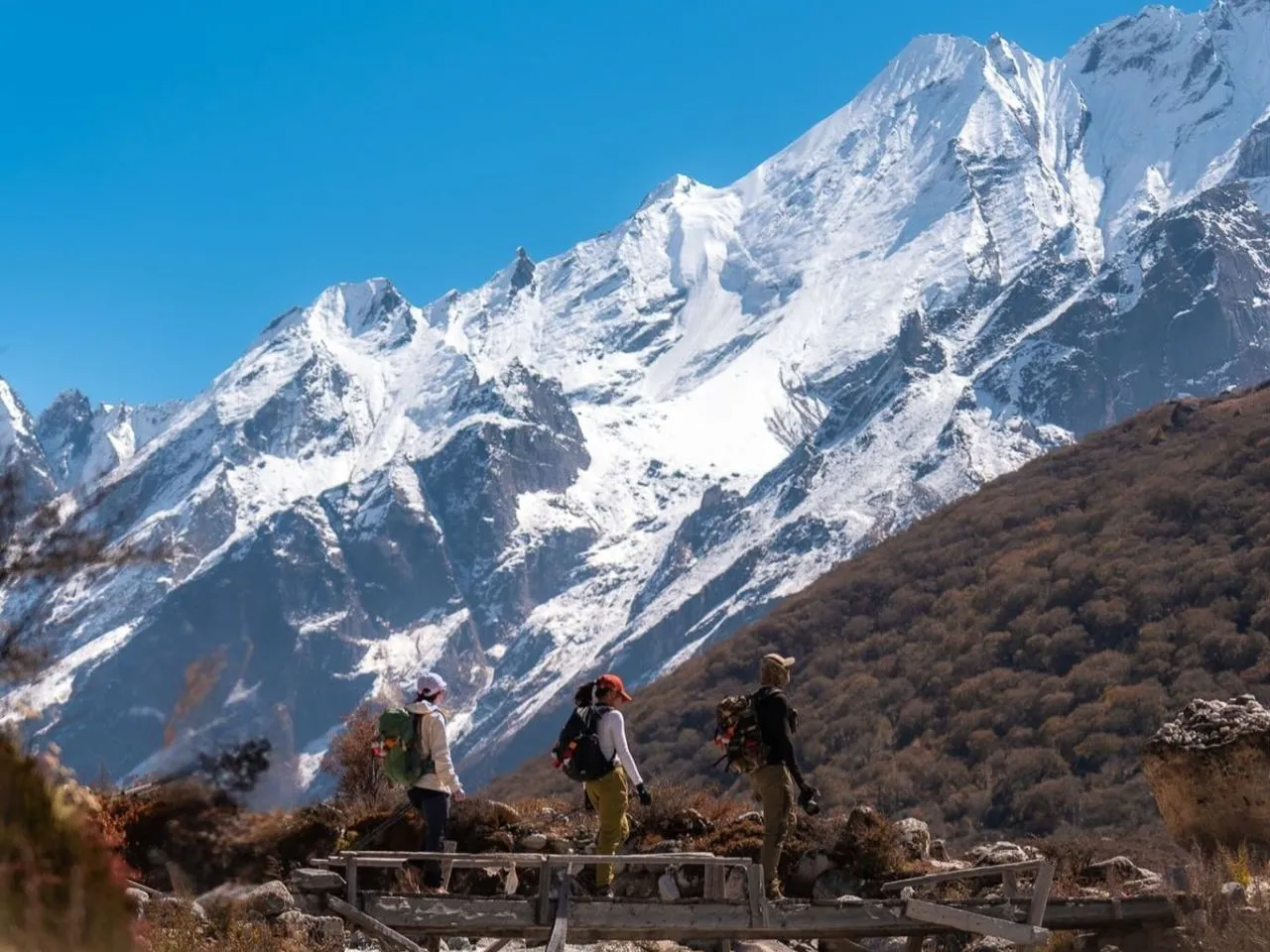
Trek de luxe de Langtang – 10 jours
Trek de luxe de Langtang – 10 jours
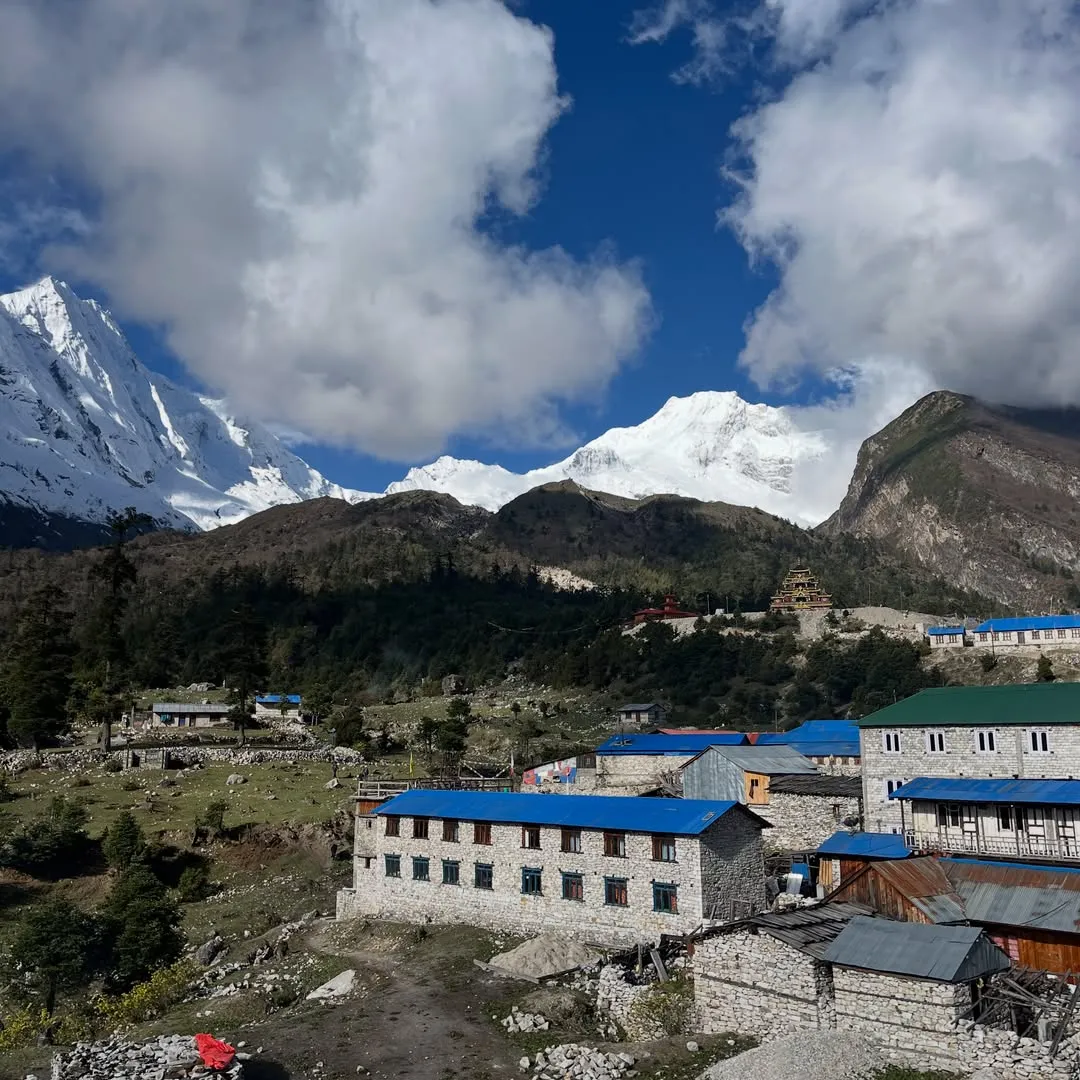
Treken en famille Manaslu – 12 jours
Treken en famille Manaslu – 12 jours
Trek de luxe à Manaslu – 14 jours
Trek de luxe à Manaslu – 14 jours

Trek de la photographie Manaslu – 17 jours
Trek de la photographie Manaslu – 17 jours
 English
 Deutsch
 Svenska
 Dansk
Dansk Русский
 Français
 Português
 Español
 Polski
 简体中文
简体中文 日本語
日本語 ไทย
ไทย العربية
 한국어
한국어