
réponse rapide
On the Simikot to Hilsa route, accommodation is in basic teahouses with shared dorm rooms and occasional private rooms in larger villages such as Yalbang and Muchu. Food is dal bhat, Tibetan thukpa noodles, fried rice, and instant noodles, with no fresh vegetables beyond Salleri. There is no mobile signal beyond Simikot, no Wi Fi, and no card payment. Carry USD 300 in cash, a satellite messenger, dry snacks for five days, and water purification tablets.
Répartition détaillée
The Simikot to Hilsa route runs 80 km through the Humla district of Far West Nepal, crossing the Nara Lagna pass at 4,600 m before descending to the Tibetan border town of Hilsa at 3,640 m. The route is the gateway for trekkers continuing to Mount Kailash in Tibet and a standalone cultural trek through Tibetan Buddhist villages of the upper Karnali.
Accommodation runs in three tiers. Simikot itself has six or seven teahouses with private rooms and shared bathrooms. Between Simikot and Muchu, teahouses are basic with dorm rooms sleeping four to eight on thin foam mattresses, shared squat toilets, and no hot water unless paid for as a bucket shower at USD 3 to 5. Between Muchu and Hilsa, the teahouse network thins to a single lodge per village, and some stops such as Nara Lagna base camp are tent camps only.
Food is predictable but monotonous. Dal bhat is served at every teahouse for USD 3 to 5, with unlimited refills. Tibetan thukpa noodles, fried rice, chow mein, and instant noodles are the alternatives. Fresh vegetables disappear above Salleri because nothing grows at altitude. Carry dry snacks for the upper sections.
Mobile network coverage ends at Simikot. Ncell and Nepal Telecom both have signal in Simikot town but nothing beyond. There is no Wi Fi on the route. Card payment is not accepted anywhere. A satellite messenger is essential for emergencies and for texting the agency in Kathmandu for flight rebookings.
Répartition des coûts/composants
| question | Availability | Coût (USD) |
|---|---|---|
| Tea house dorm bed | Every village | $3 à $5 par nuit |
| Private room in Simikot | Simikot only | $10 à $15 par nuit |
| Bucket shower, hot water | Larger villages | $3 à $5 par douche |
| Dal bhat meal | Every teahouse | $3 à $5 |
| Thukpa or fried rice | Every teahouse | $2.50 to $4 |
| Bottled water 1 L | To Muchu only | $1 à $2 |
| Comprimés de purification d'eau | Apporter de Katmandou | $5 per bottle |
| Garmin inReach rental | Bring from home | $5 par jour plus utilisation |
Qu'est-ce qui affecte la réponse
Season affects food variety. In October and November, teahouses stock up before winter, but by late November supplies run low. Group size affects accommodation, because dorm rooms sleep four to eight, so larger groups may need two lodges per village. Direction of travel matters, because northbound trekkers heading to Tibet face stricter checkpoints and limited food beyond Hilsa. Permits affect cost, because the route touches restricted area considerations and TIMS card requirements that change year to year.
Conseils pour la réservation
Book the trek through a Nepalgunj or Simikot based agency rather than a Kathmandu agency, because local agencies know which teahouses are open. Carry USD 300 in cash beyond Simikot, because there is no ATM or card payment on the route. Carry a four season sleeping bag even in October, because teahouse rooms are unheated and the Nara Lagna base camp is at 4,400 m. Carry five days of dry snacks. Bring water purification tablets, because bottled water is not sold beyond Muchu.
Comparaison avec les alternatives
Compared with the Annapurna Circuit teahouse standard, the Simikot to Hilsa route is roughly 20 years behind in infrastructure. Compared with the Manaslu Circuit, which is also restricted area, Simikot to Hilsa is more basic with fewer teahouses and no Wi Fi even in larger villages. Compared with the Limi Valley extension, the standard Simikot to Hilsa route is shorter and slightly better served. Compared with Everest Base Camp, there is no comparison, because EBC has hot showers, Wi Fi, and bakeries at 5,000 m.
Erreurs courantes à éviter
The first mistake is expecting Everest or Annapurna teahouse comfort. The Simikot to Hilsa route is a basic frontier trek, and trekkers who arrive without a four season bag suffer in cold dorm rooms. The second is relying on mobile signal. There is no signal beyond Simikot. The third is underpacking cash. Card payment is impossible, and running out of cash means sleeping on credit with the teahouse owner. The fourth is drinking untreated water. The upper Karnali has giardia risk, so purification is non negotiable.
FAQ
Is there Wi Fi on the Simikot to Hilsa route? No. There is no Wi Fi anywhere on the route. Simikot has mobile signal but the teahouses do not offer Wi Fi.
Can I pay for teahouse stays by card? No. Carry USD 300 in cash beyond Simikot. Convert to Nepali rupees in Nepalgunj before the flight.
Is the food safe to eat? Yes, if served hot. Avoid cold salads and unboiled water. Dal bhat is the safest choice because it is cooked fresh for each meal.
What is the best sleeping bag rating? A minus 10 Celsius four season bag. Teahouse rooms are unheated, and the Nara Lagna base camp drops below minus 5 Celsius even in October.
somm
The Simikot to Hilsa route has basic teahouse dorm rooms, dal bhat and Tibetan noodle food, no mobile signal beyond Simikot, no Wi Fi, and no card payment. Carry USD 300 cash, a four season sleeping bag, dry snacks, water purification, and a satellite messenger.
conclusion
For 2027 to 2030 trekkers on the Simikot to Hilsa route, plan for frontier conditions. Book through a local Nepalgunj or Simikot agency, carry cash and a four season bag, treat all water, and bring a satellite messenger. Trekkers who expect Everest or Annapurna teahouse comfort will be disappointed, and trekkers who skip the satellite messenger lose all emergency communication beyond Simikot.
Forfaits Trek recommandés
Des lieux de randonnée à explorer
Explore Trips in Nepal
Hand-picked guided trips to this destination
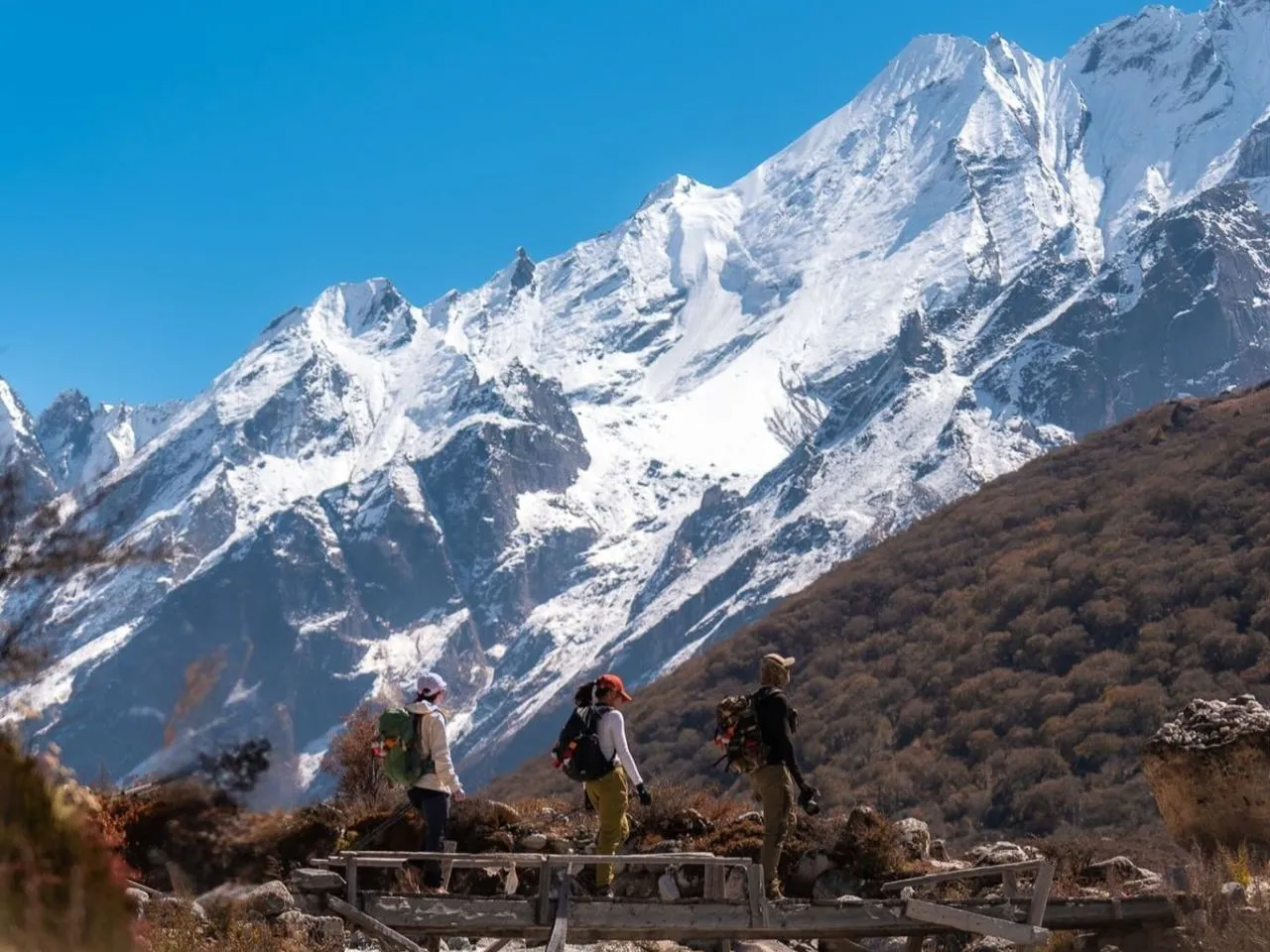
Trek de luxe de Langtang – 10 jours
Trek de luxe de Langtang – 10 jours
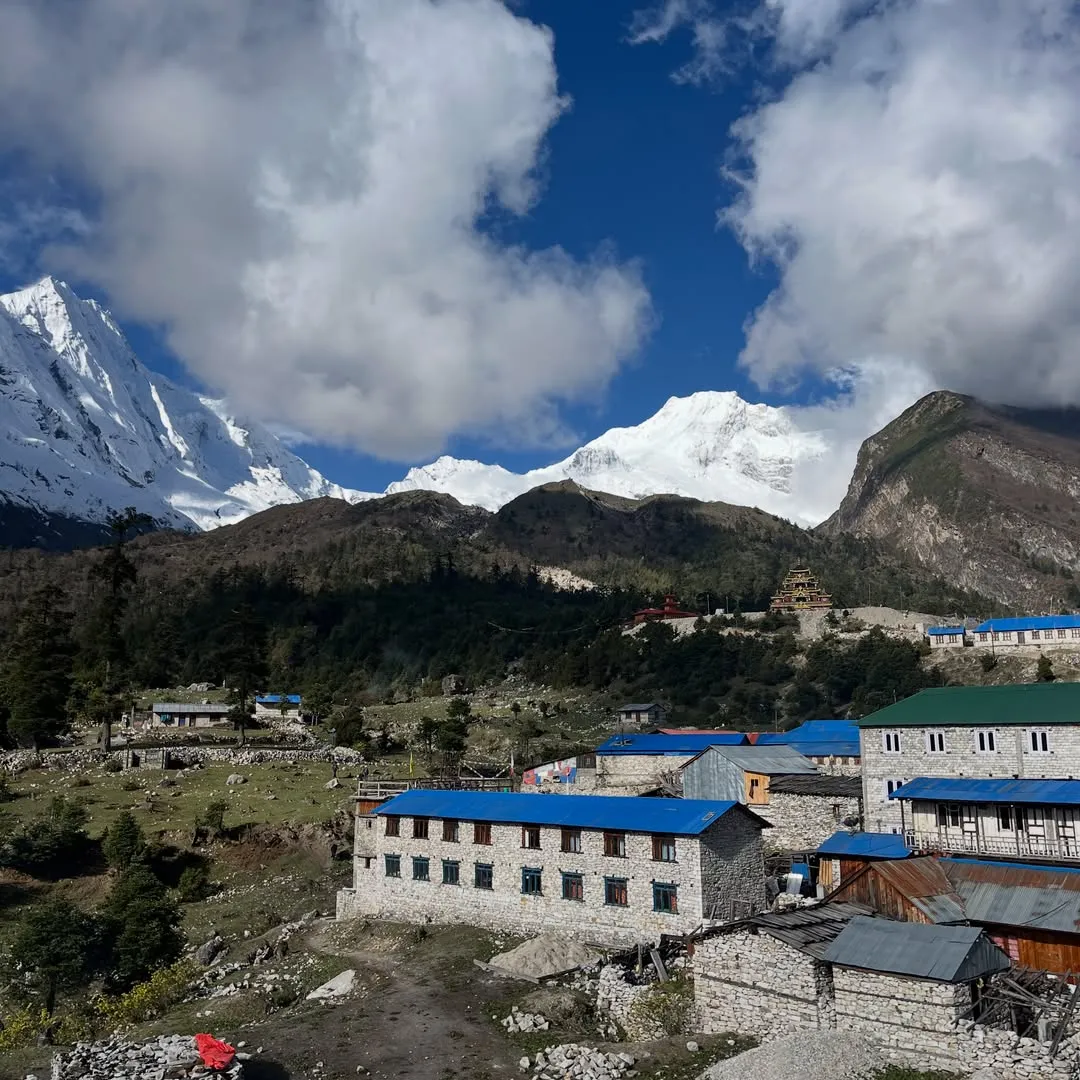
Treken en famille Manaslu – 12 jours
Treken en famille Manaslu – 12 jours
Trek de luxe à Manaslu – 14 jours
Trek de luxe à Manaslu – 14 jours

Trek de la photographie Manaslu – 17 jours
Trek de la photographie Manaslu – 17 jours
 English
 Deutsch
 Svenska
 Dansk
Dansk Русский
 Français
 Português
 Español
 Polski
 简体中文
简体中文 日本語
日本語 ไทย
ไทย العربية
 한국어
한국어