
réponse rapide
Yes, very basic. Saipal Base Camp Trek uses 4 to 6 homestay nights in family homes and 8 to 12 camping nights with a full crew. Rooms are shared with foam mattresses and blankets, toilets are squat pits, and meals rotate around rice, lentils, potatoes, and nettle soup. There is no Wi Fi or electricity above Chainpur. Budget USD 1,200 to USD 1,800 per person for 14 to 18 days in 2027.
Répartition détaillée
The Saipal Base Camp Trek starts at Chainpur or Kanda in far west Nepal and climbs through Chhetri, Brahmin, and Tibetan speaking villages to the base of Saipal at 4,600 m. About 8 to 10 settlements exist on the route, and only 4 to 6 of them offer homestay lodging. The remaining nights require camping with a crew of guide, cook, and porters.
Homestays are family homes with a single guest room. The room holds 2 to 4 trekkers on foam mattresses over wooden planks. Families provide wool blankets, but a 3 season sleeping bag is required for nights that fall to 5 C above 2,500 m and below freezing above 3,500 m. Toilets are squat pit latrines outside the main house.
Food rotates through five staples. Dal bhat is the dinner anchor with rice, lentil soup, seasonal vegetable curry, and pickle. Breakfast is Tibetan bread with tea or porridge. Lunch on trekking days is packed: boiled eggs, chapati, and potatoes. Above 3,500 m the menu shrinks to roasted barley flour, potatoes, and dried yak cheese. Bring energy bars and trail mix from Kathmandu.
Répartition des coûts/composants
| composante | détail | Coût (USD) |
|---|---|---|
| Famille d'accueil par nuit | Maison de famille, dîner et petit-déjeuner | $10 à $15 |
| équipage de camping | Guide, cook, 3 porters, 14 to 18 days | $700 à $1 100 |
| Forfait de permis | Api Nampa Conservation Area and TIMS | $40 à $55 |
| Transport RT Kathmandu | Flight to Dhangadhi plus jeep to Chainpur | $200 à $320 |
| Nourriture et collations | Extra trail mix and supplements from KTM | $30 à $60 |
| Total par personne 2027 | 14 to 18 day trek | $1,200 à $1,800 |
Qu'est-ce qui affecte la réponse
Season matters. In October and November families stock up on rice and lentils and the meals are full. In March some homestays are still closed for winter and the cook relies on packaged supplies. In May the high pastures reopen and fresh dairy products return to the menu.
Group size changes the lodging mix. A group of 2 to 4 fits into homestays and shares family routines. A group of 8 or more overwhelms a single home and forces full camping for the whole route.
Conseils pour la réservation
Book 4 to 6 months ahead and ask the operator for homestay nights at Kanda, Lapubesi, and Saipal Base Camp. Specify a Tibetan speaking guide for upper villages where Nepali is the second language. Carry a 3 season sleeping bag rated to minus 10 C and a silk liner for cold homestay rooms.
Bring an extra headlamp and a small solar charger. Homestays do not have electricity. Packets of instant coffee, tea bags, and electrolyte tablets make long evenings more comfortable when the family stove dies at 8 pm.
Comparaison avec les alternatives
Api Base Camp Trek in the same region has similar homestay infrastructure but slightly better food diversity at the lower villages. Upper Dolpo is more remote with full camping for 14 to 18 nights at USD 4,000 to USD 6,500. Annapurna Circuit has full teahouse coverage with western menus and attached bathrooms at USD 1,200 to USD 1,800. Saipal Base Camp sits between Upper Dolpo and Annapurna in remoteness but is closer to Annapurna in cost.
Erreurs courantes à éviter
Pack only camping food and skip the chance to share family meals. Sharing dal bhat with a host family is the cultural highlight of the trek. Bring a small gift of tea, sugar, or school supplies as thanks.
A second mistake is photographing homes or people without permission. Always ask through the guide first. A third mistake is underestimating cold above 3,500 m. Carry a down jacket rated to minus 10 C even in autumn.
FAQ
Are there teahouses on the Saipal Base Camp Trek? No commercial teahouses. Lodging is homestay in 4 to 6 villages and camping for the remaining 8 to 12 nights. Book a crew through a local operator.
What food is served? Dal bhat, Tibetan bread, potatoes, nettle soup, and roasted barley. Above 3,500 m the menu shrinks. Bring energy bars and trail mix from Kathmandu.
Do homestays have electricity? No. Most homes use solar lamps that go dark by 8 pm. Carry a headlamp and a 20,000 mAh power bank.
Are there hot showers? Rare. Some homestays offer a bucket of solar heated water for USD 3 to USD 5. Above 3,500 m there are no showers. Pack wet wipes.
Is the water safe to drink? Treat all water with filters, tablets, or UV pens. Stream water looks clean but can carry bacteria from upstream villages.
somm
Saipal Base Camp Trek offers very basic accommodation and food. Expect 4 to 6 homestay nights in family homes with squat toilets, 8 to 12 camping nights, and meals of dal bhat, potatoes, and nettle soup. Budget USD 1,200 to USD 1,800 per person for 14 to 18 days in 2027 and bring a 3 season sleeping bag, power bank, and snacks.
conclusion
Saipal Base Camp is the right trek for trekkers who want far west Nepal without the USD 4,000 plus price tag of Upper Dolpo. The basic lodging and food are part of the experience, not a flaw. Arrive prepared with warm gear, snacks, and an open mind, and you will find the homestays more memorable than any Annapurna teahouse. Book a small group, request a Tibetan speaking guide, and pack wet wipes for the high altitude stretches.
Forfaits Trek recommandés
Des lieux de randonnée à explorer
Explore Trips in Nepal
Hand-picked guided trips to this destination
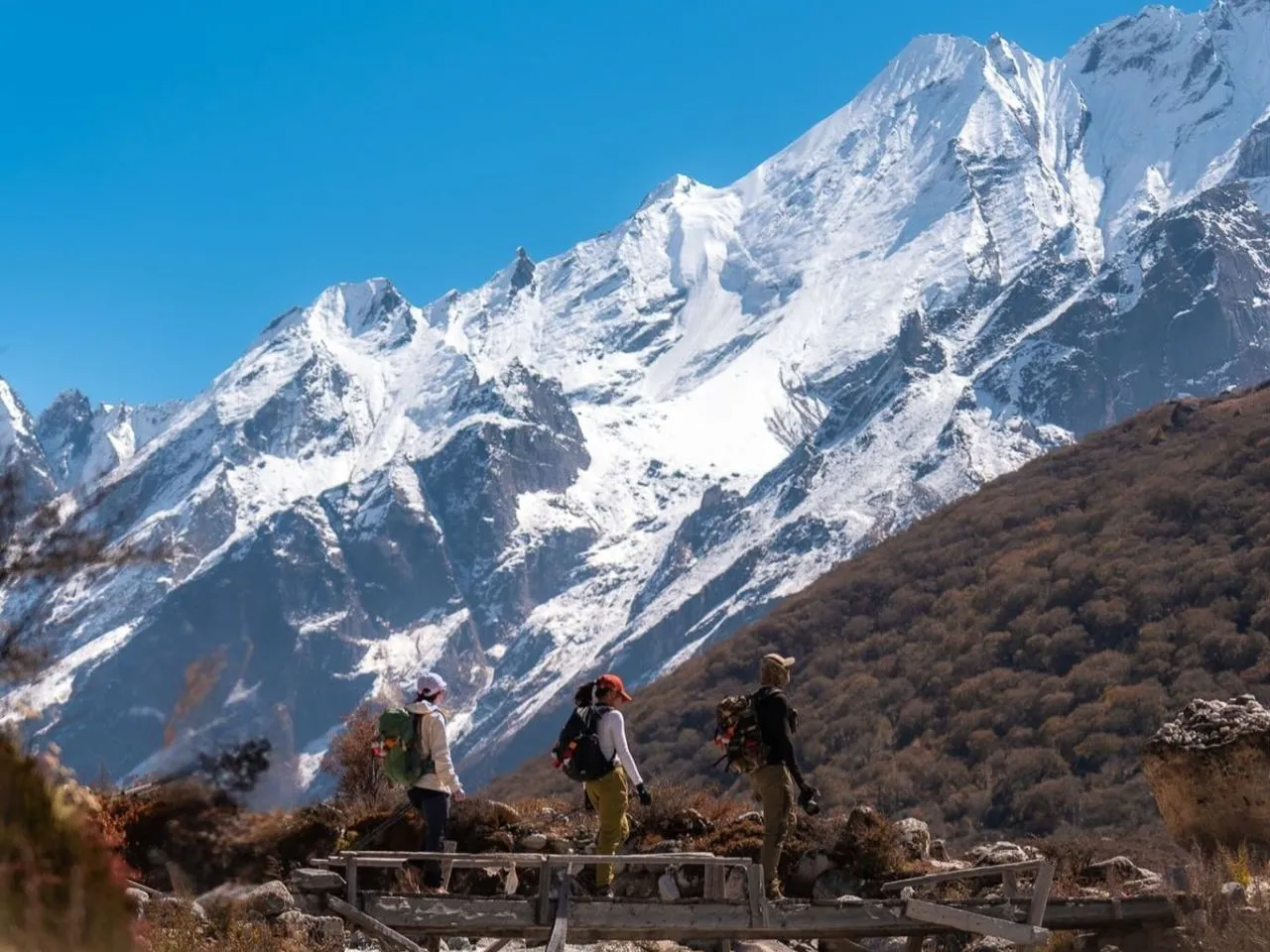
Trek de luxe de Langtang – 10 jours
Trek de luxe de Langtang – 10 jours
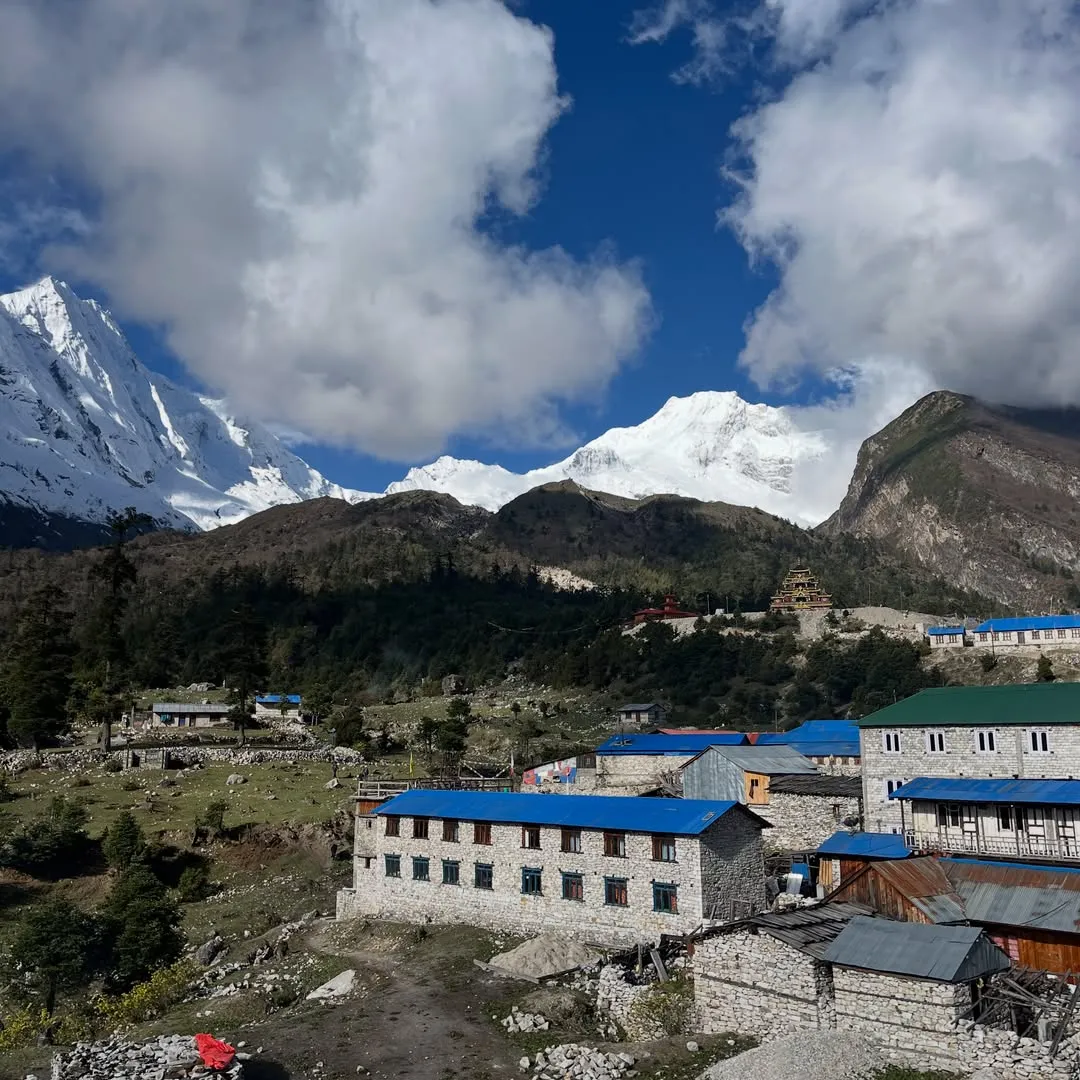
Treken en famille Manaslu – 12 jours
Treken en famille Manaslu – 12 jours
Trek de luxe à Manaslu – 14 jours
Trek de luxe à Manaslu – 14 jours

Trek de la photographie Manaslu – 17 jours
Trek de la photographie Manaslu – 17 jours
 English
 Deutsch
 Svenska
 Dansk
Dansk Русский
 Français
 Português
 Español
 Polski
 简体中文
简体中文 日本語
日本語 ไทย
ไทย العربية
 한국어
한국어