
réponse rapide
Remote western Nepal trekking is harder than mainstream routes because of five logistics factors: no teahouse network, full camping and crew requirements, sparse supply chains, intermittent road access, and 4 to 9 day permit lead times. Trekkers on the Guerilla Trek, Api Base Camp, or Limi Valley spend USD 700 to USD 2,500 more than on Annapurna or EBC for the same duration, with 6 to 10 extra planning days.
Répartition détaillée
Mainstream routes like Annapurna, EBC, and Langtang have a teahouse every 3 to 6 km, satellite phones at lodges, and 24 hour permit issuance. Remote western Nepal lacks all three. The Guerilla Trek from Beni to Dhorpatan has 2 to 4 basic lodges for the entire 9 to 14 day route. Most nights require tented camping with a crew.
Food supply is the second gap. Mainstream teahouses stock pasta, eggs, potatoes, and dal bhat year round. Western trailheads buy supplies at Beni, Dailekh, or Simikot, then carry rice, lentils, and tinned goods for 8 to 14 days. Fresh vegetables run out by day 4.
Road access is the third. Mainstream routes start from Besisahar, Pokhara, or Lukla with daily transport. The Guerilla Trek takeout at Dhorpatan needs a 12 to 14 hour jeep ride on rough tracks that close 8 to 15 days per month in monsoon. Api, Saipal, and Limi trailheads need charter flights or 2 to 3 day jeep rides.
Communications are patchy. NTC and Ncell signals reach major villages on Annapurna and EBC. Western Nepal has dead zones of 4 to 9 days. Carry a Garmin inReach or Thuraya for USD 350 to USD 500 plus USD 30 to USD 60 per month.
Permit processing adds 4 to 9 days. Restricted area permits for Limi, Upper Dolpo, and Humla require licensed guide, agency sponsorship, and 14 day lead time. The Guerilla Trek only needs TIMS Card.
Répartition des coûts/composants
| composante | Mainstream (USD) | Remote West (USD) | différence |
|---|---|---|---|
| Permis | $30 à $60 | $100 to $500 | +$70 to $440 |
| hébergement | $5 to $15/night teahouse | $0 camping plus crew | Crew cost instead |
| alimentation | $15 to $25/day teahouse | $10 to $18/day cook crew | Similar |
| Guide plus Porteur | $30 to $50/day | $50 to $90/day full crew | +$20 to $40/day |
| Camping equipment | $0 included in lodge | $8 to $15/day rental | +$8 to $15/day |
| Charter flight or jeep | $0 to $180 Lukla | $400 to $2,500 | +$220 to $2,320 |
| messager satellite | $0 lodge phone | $350 à $500 | +$350 to $500 |
| Total 14 day trek per person | $700 à $1 800 | $1,800 to $4,300 | +$1,100 to $2,500 |
Qu'est-ce qui affecte la réponse
Season matters most. October and November are reliable. June to September monsoon closes western road access 30 to 45 percent of days. December to February brings snow that blocks passes above 4,000 m.
Your group size changes crew economics. A solo trekker pays USD 90 to USD 140 per day for a guide, cook, and porter team. A group of 4 to 6 splits this to USD 35 to USD 55 per person per day.
Guide experience matters. Western Nepal requires guides who know local dialects, water sources, and camping spots. Pay USD 50 to USD 80 per day for a senior guide versus USD 25 to USD 40 for a junior.
Conseils pour la réservation
Book 3 to 5 months ahead so the agency can arrange permits, crew, and charter flights. Confirm the operator has run the route in the past 2 years.
Pack 2 to 3 days of backup food like energy bars and freeze dried meals. Carry USD 400 to USD 800 cash for emergency jeep hire, since ATMs are absent beyond district capitals.
Comparaison avec les alternatives
The Guerilla Trek is the easiest entry to western Nepal logistics because it starts close to Pokhara and only needs TIMS Card. Api Base Camp adds 2 day jeep charter and restricted area permit. Limi Valley needs Simikot flight plus 14 day permit. Upper Dolpo adds the highest logistics cost at USD 3,500 to USD 5,500 for 18 to 24 days because of charter flight and full camping crew.
Erreurs courantes à éviter
Booking 4 weeks ahead is the most common error. Restricted permits and charter flights need 6 to 8 weeks. Choosing a budget agency without western Nepal experience is the second mistake, since incorrect paperwork can cancel the trip 3 days before departure.
Skipping a satellite messenger is another error. Mobile dead zones of 4 to 9 days mean evacuations take 12 to 48 hours. Carry a Garmin inReach.
FAQ
Why is western Nepal trekking more expensive than Annapurna? Camping crew, charter flights, restricted permits, and satellite messengers add USD 1,100 to USD 2,500 to a 14 day trip. Teahouse savings do not offset these fixed costs.
Can I trek the Guerilla Trek independently? No from 2027 onward. The Nepal Tourism Board requires licensed guides on all treks, and the route has 2 to 4 lodges total, so camping crew is mandatory for most nights.
How long do permits take for western Nepal? 4 to 9 days for restricted area permits at the Department of Immigration in Kathmandu. TIMS Card is instant. Submit permits 14 days before arrival.
Is there phone signal on the Guerilla Trek? Patchy NTC and Ncell at 4 to 6 villages. Plan 5 to 8 day dead zones. Carry a satellite messenger.
somm
Remote western Nepal trekking is harder than mainstream routes due to no teahouses, full camping crew, sparse supplies, intermittent road access, and slow permit processing. The Guerilla Trek is the easiest entry at USD 1,800 to USD 2,800 for 14 days. Api, Limi, and Upper Dolpo push costs to USD 2,800 to USD 5,500.
conclusion
Western Nepal rewards experienced trekkers who plan 3 to 5 months ahead and budget USD 1,100 to USD 2,500 more than Annapurna. Carry a satellite messenger, pack backup food, and choose an operator with the last 2 years of route experience. The Guerilla Trek is the gentlest entry, while Api, Limi, and Upper Dolpo demand full camping logistics.
Forfaits Trek recommandés
Des lieux de randonnée à explorer
Explore Trips in Nepal
Hand-picked guided trips to this destination
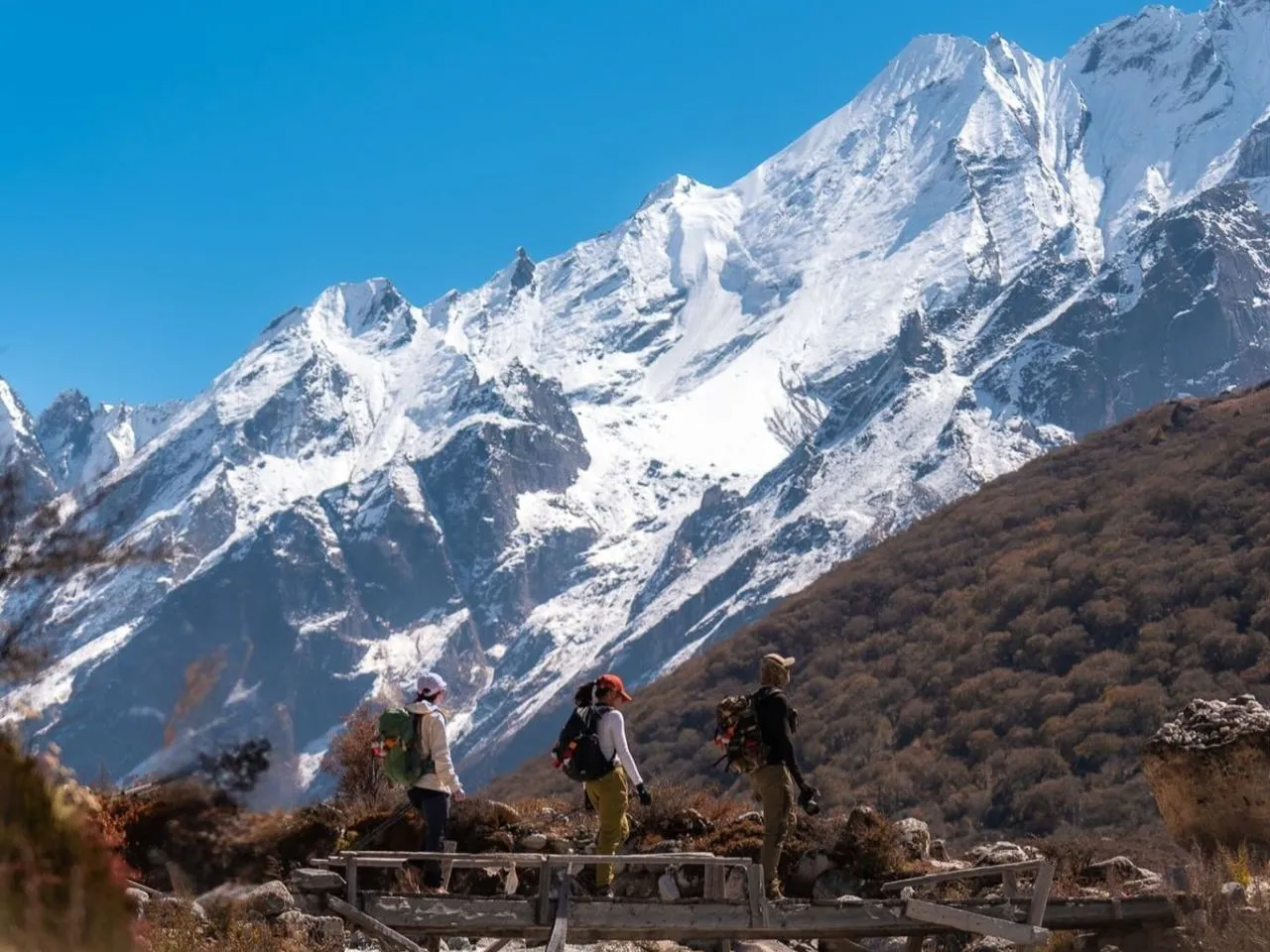
Trek de luxe de Langtang – 10 jours
Trek de luxe de Langtang – 10 jours
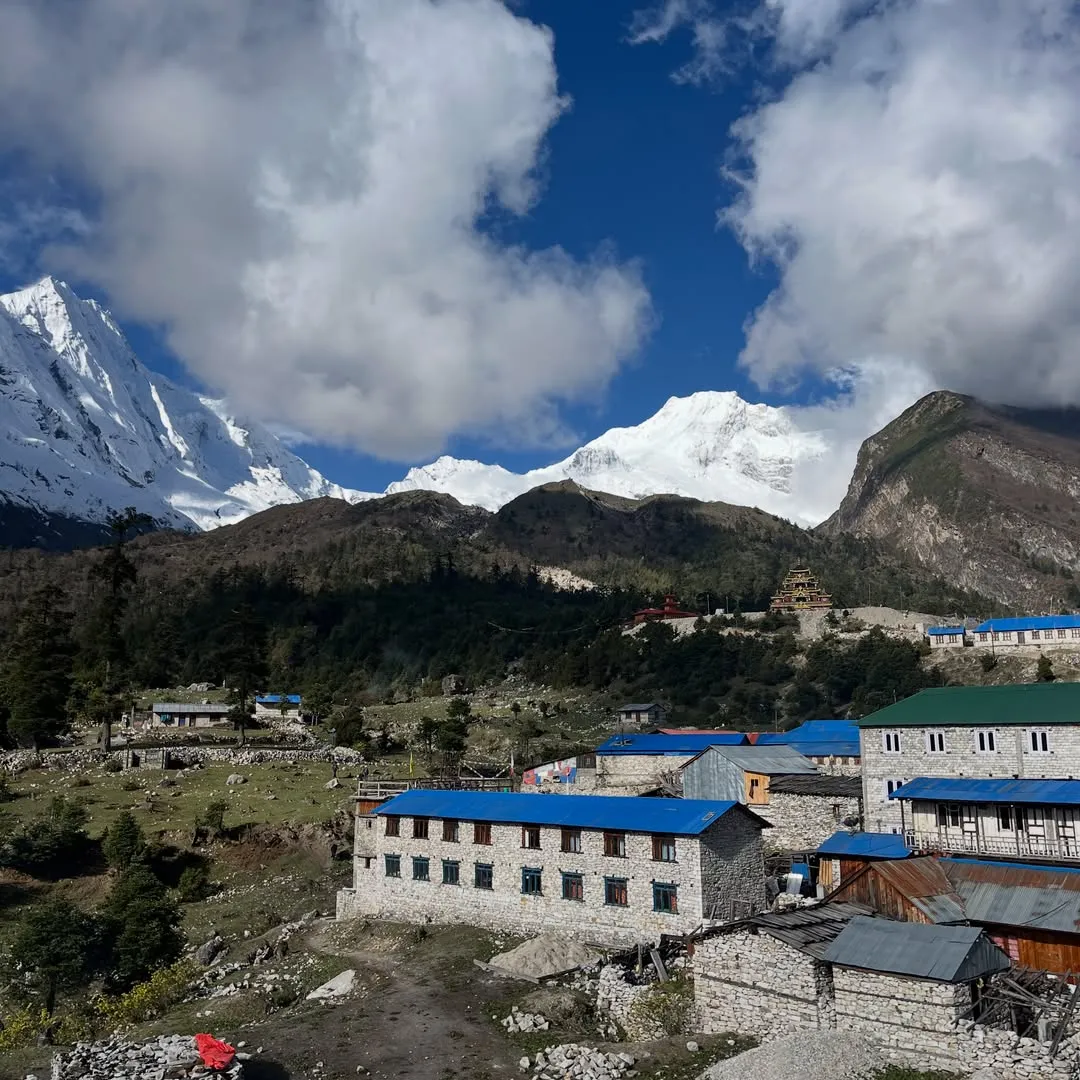
Treken en famille Manaslu – 12 jours
Treken en famille Manaslu – 12 jours
Trek de luxe à Manaslu – 14 jours
Trek de luxe à Manaslu – 14 jours

Trek de la photographie Manaslu – 17 jours
Trek de la photographie Manaslu – 17 jours
 English
 Deutsch
 Svenska
 Dansk
Dansk Русский
 Français
 Português
 Español
 Polski
 简体中文
简体中文 日本語
日本語 ไทย
ไทย العربية
 한국어
한국어