
réponse rapide
The Api Base Camp Trek costs $1,800 to $2,600 per person for 14 to 18 days in a small group of four to six, including guide, porter, Api Nampa Conservation Area Permit, TIMS Card, all meals, and full camping support. Solo private departures run $3,200 to $4,400 because the camping crew and equipment costs cannot be split.
Répartition détaillée
The Api Base Camp Trek reaches 4,000 m at the base of Api Himal, the highest peak in far western Nepal at 7,132 m. The route starts at Gokuleshwor in Darchula district, climbs through Bitule, Ghusa, and Lawathi, then enters the remote Api Nampa Conservation Area where camping is mandatory.
There are no teahouses past Ghusa. Your operator must send a full camping crew including a cook, kitchen helper, and sherpas, plus tents, dining tent, toilet tent, kitchen equipment, and food supplies carried from Darchula. The crew typically numbers one cook, two helpers, and one porter per two trekkers.
This is one of Nepal's most remote treks and offers views of Api, Nampa, and Jethi Bahurani peaks, plus traditional Khas, Chhetri, and Byansi culture. The region sees fewer than 200 foreign trekkers per year, which is the main reason camping is the only option.
Répartition des coûts / composantes
| composante | Coût (USD) |
|---|---|
| Permis de conservation de la zone de conservation de l'API NAMPA | $30 |
| Carte TIM | $10 à $20 |
| Round trip Kathmandu to Darchula transport | $280 à $380 |
| Guide des aînés (16 jours) | $480 à $640 |
| Cook and helper team (16 days) | $480 à $640 |
| Porteurs (16 jours, 1 pour 2 randonneurs) | $480 à $640 |
| Location de matériel de camping et de tente | $180 à $260 |
| Food supplies from Darchula | $320 à $420 |
| Balisage de sauvetage d'hé | $80 à $140 |
| Total par personne (groupe de 4) | $2,140 to $3,020 |
Qu'est-ce qui affecte la réponse
Group size is the dominant factor. The fixed camping crew cost of around $1,440 to $1,920 per day-equivalent splits four ways in a group of four but only one way for solo trekkers. Reaching Darchula also varies in cost, with flights to Dhangadhi plus 12 hour drive cheaper than the 22 hour direct bus from Kathmandu.
Season affects food supply costs because heavy monsoon rains damage the Ghusa road from July to September. October and November departures have the most reliable supply chain. Permit fees are stable, but Api Nampa occasionally raises conservation fees in five year steps.
Helicopter rescue coverage is essential here because there is no road past Ghusa and the nearest hospital is in Darchula, a two day walk from base camp.
Conseils de réservation / conseils pratiques
Book 12 weeks ahead minimum, since assembling the camping crew and food supplies takes time. Ask the operator for a full equipment list including tent condition, sleeping pad thickness, and dining tent heating. Confirm the cook has high-altitude food safety training, since food poisoning in this remote area is serious.
Fly to Dhangadhi and drive to Darchula rather than taking the direct bus, since the bus is 22 hours and prone to delays. Carry a Personal Locator Beacon or satellite messenger, since mobile network coverage is zero past Lawathi.
Bring extra snack bars and electrolyte powder, since the camping menu repeats after day 4 and variety is limited.
Comparaison avec les alternatives
The Saipal Base Camp Trek is the closest alternative in the same region, costing $2,000 to $2,800 for 18 to 20 days and reaching 4,300 m. The Rara Lake Trek is shorter at 9 to 12 days and costs $1,200 to $1,800 with teahouse and lodge options. The Limi Valley Trek is more expensive at $3,200 to $4,400 but offers Tibetan culture.
Choose Api for solitude and true wilderness. Choose Rara for accessibility. Choose Limi for culture.
Erreurs courantes à éviter
Do not book with an operator that has not run Api Base Camp in the last 12 months, since route finding past Ghusa is complex and trail conditions change yearly. Avoid itineraries shorter than 14 days, since acclimatization at 4,000 m needs slow ascent. Skip packages that exclude helicopter rescue coverage without disclosure.
Do not skip the rest day at Lawathi, since altitude sickness risk rises sharply on the climb to base camp.
Questions fréquentes
Why is Api Base Camp so expensive compared to Annapurna? Because no teahouses exist past Ghusa, so the operator must send a full camping crew and food, which is a fixed cost split among few trekkers.
Puis-je faire du camp de base API sans camper ? No, camping is mandatory since there are no lodges or teahouses past Ghusa village.
How many trekkers visit Api per year? Fewer than 200, which is why the infrastructure remains basic.
Is a satellite phone needed? Yes, since mobile coverage is zero past Lawathi and rescue coordination requires satellite communication.
somm
The Api Base Camp Trek costs $1,800 to $2,600 per person in a small group, including all permits, guide, porter, full camping crew, and equipment. The remote Far West location and absence of teahouses make this a true expedition, suited to experienced trekkers who value solitude.
conclusion
Api Base Camp is not a budget trek, but it is one of the last genuinely wild treks in Nepal. Spend the money on a reputable operator with recent route experience, fly via Dhangadhi, and carry satellite communication. The reward is a corner of the Himalaya that fewer than 200 people see each year.
Forfaits Trek recommandés
Des lieux de randonnée à explorer
Explore Trips in Nepal
Hand-picked guided trips to this destination
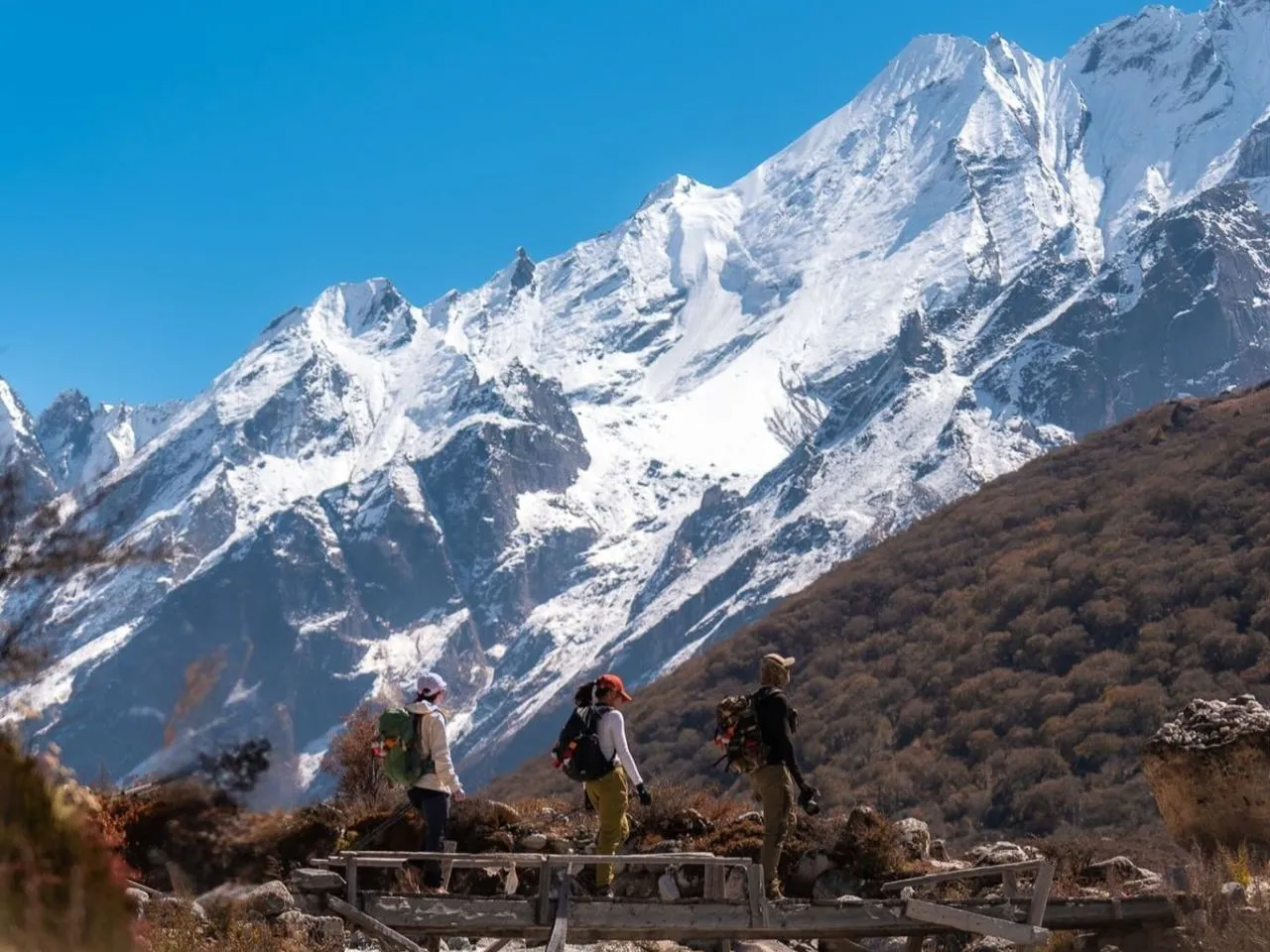
Trek de luxe de Langtang – 10 jours
Trek de luxe de Langtang – 10 jours
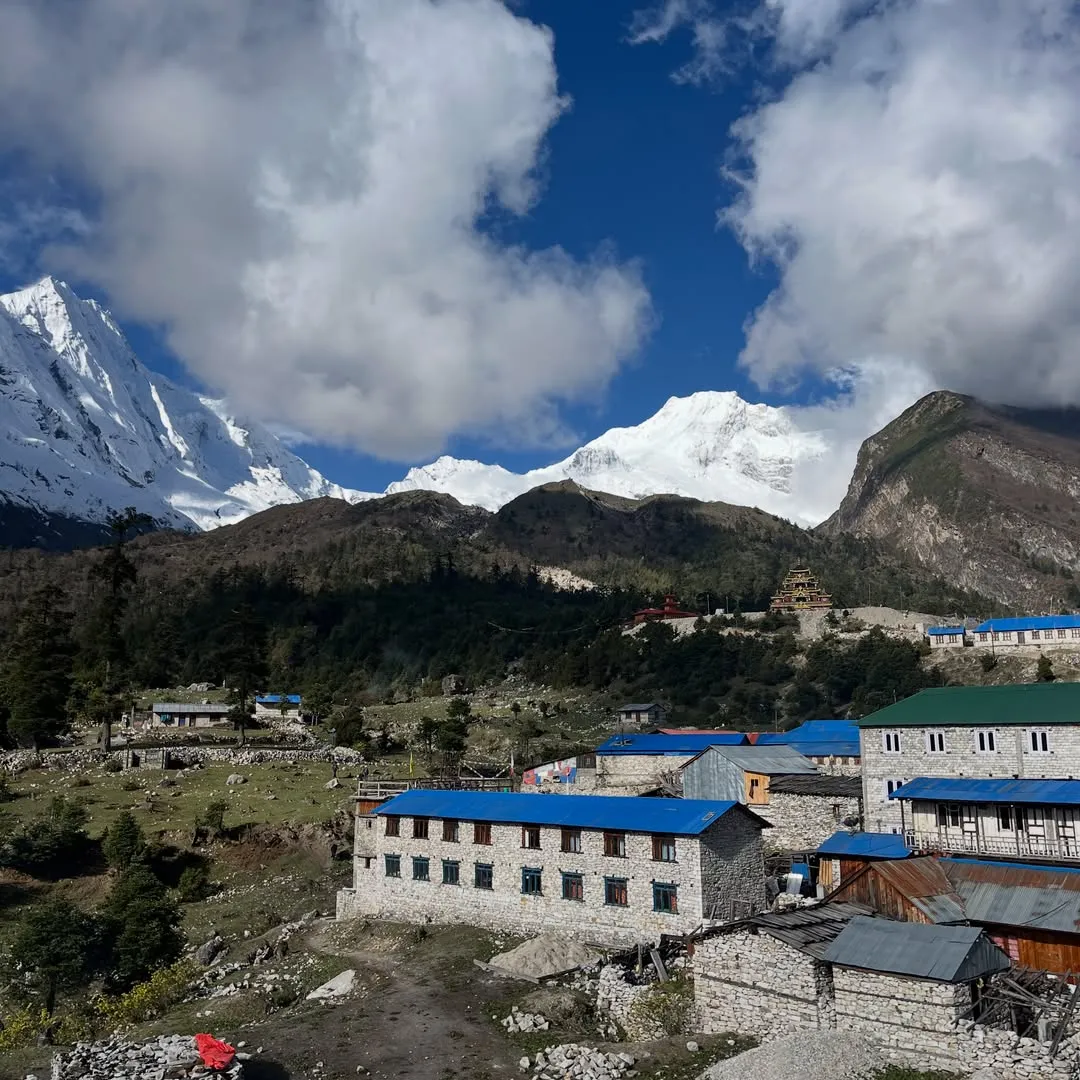
Treken en famille Manaslu – 12 jours
Treken en famille Manaslu – 12 jours
Trek de luxe à Manaslu – 14 jours
Trek de luxe à Manaslu – 14 jours

Trek de la photographie Manaslu – 17 jours
Trek de la photographie Manaslu – 17 jours
 English
 Deutsch
 Svenska
 Dansk
Dansk Русский
 Français
 Português
 Español
 Polski
 简体中文
简体中文 日本語
日本語 ไทย
ไทย العربية
 한국어
한국어