
schnelle Antwort
The standard Three Passes Trek direction is anti-clockwise, Lukla to Lukla via Renjo La, Cho La, and Kongma La. Anti-clockwise offers better acclimatization and saves the hardest pass for last when trekkers are fully acclimatized. Clockwise is possible but harder on acclimatization because it hits the Kongma La at 5,535 metres early in the route.
Detaillierte Aufschlüsselung
The Three Passes Trek is an 18 to 21 day circuit in the Khumbu region crossing three 5,000 metre plus passes. The route starts and ends at Lukla and links the Bhote Koshi, Gokyo, and Khumbu valleys.
Anti-clockwise route runs Lukla, Namche, Thame, Renjo La at 5,360 metres, Gokyo, Cho La at 5,420 metres, Everest Base Camp, Kongma La at 5,535 metres, Chhukung, and back to Lukla. Trekkers reach 5,000 metres on day 8 or 9, with a safer acclimatization gradient.
Clockwise route runs Lukla, Chhukung, Kongma La, Everest Base Camp, Cho La, Gokyo, Renjo La, Thame, and back to Lukla. Trekkers hit the 5,535 metre Kongma La on day 6 or 7, which is risky for acclimatization. Both directions take 18 to 21 days.
Kosten-/Komponentenaufschlüsselung
| Komponente | Anti-clockwise | Clockwise |
|---|---|---|
| Lukla flight round trip | $360 | $360 |
| Sagarmatha NP-Erlaubnis | $30 | $30 |
| Khumbu Pasang Lhamu-Genehmigung | $20 | $20 |
| TIMS-Karte | $10 bis $20 | $10 bis $20 |
| Führer pro Tag | $50 bis $70 | $50 bis $70 |
| Total 18-day | $2,400 bis $3,400 | $2,400 bis $3,400 |
Was beeinflusst die Antwort
Acclimatization is the first factor. Anti-clockwise is safer because trekkers reach 5,000 metres only on day 8 or 9, not day 5 or 6. The clockwise route hits Kongma La at 5,535 metres early in the trek, which is risky.
Weather window is the second factor. Anti-clockwise saves the Renjo La crossing for the middle of the trek, when weather is most stable. Clockwise saves Cho La for the middle, which has more reliable weather than Renjo La.
Fitness is the third factor. Clockwise hits the hardest pass, the Kongma La, when legs are freshest. This is the one advantage of clockwise for very fit trekkers.
Group pace is the fourth factor. Groups with mixed fitness prefer anti-clockwise for the safer acclimatization. Solo or fast trekkers can consider clockwise if they have prior 5,000 metre experience.
Buchungstipps
Book Lukla flights 6 to 8 weeks ahead for October and November. The morning flights have the best weather record. Hire a guide who has done the route in both directions so they can advise on weather and acclimatization.
Carry USD 500 to 700 cash for lodges and emergency evacuation share. Pre-book lodges at Gokyo and Gorak Shep in peak season because both villages have limited beds.
Carry crampons for the Cho La crossing from November to April. The pass has ice and the descent on the Gokyo side is steep.
Vergleich mit Alternativen
Compared with the Everest Base Camp Trek, the Three Passes Trek is more challenging and 6 to 8 days longer. EBC is 12 to 14 days and reaches 5,364 metres at Kala Patthar.
Compared with the Gokyo Lakes Trek, Gokyo alone is 12 to 14 days and reaches 5,357 metres at Gokyo Ri. Three Passes adds the Kongma La and Cho La crossings.
Compared with an Everest Circuit via Renjo La only, the shorter 14 to 16 day circuit is easier on acclimatization and skips the Kongma La.
Häufige Fehler zu vermeiden
Starting clockwise without prior 5,000 metre acclimatization. The Kongma La at 5,535 metres on day 6 is too high for most trekkers without prior acclimatization.
Skipping rest days in Namche is the second mistake. Both directions need 2 nights in Namche at 3,440 metres before any pass crossing.
Underestimating Cho La in winter is the third mistake. The pass has ice from December to February and requires crampons. Booking only 16 days is the fourth mistake. 18 days is safer for weather and acclimatization.
FAQ
Which direction is better for the Three Passes Trek?
Anti-clockwise is better for most trekkers. It offers a safer acclimatization gradient, with the first 5,000 metre pass on day 8 or 9, and saves the hardest pass, the Kongma La, for last when trekkers are fully acclimatized.
How many days does the Three Passes Trek take?
18 to 21 days for the full circuit, including 2 acclimatization days in Namche and 1 in Gokyo or Dingboche. The minimum safe duration is 18 days.
Do I need crampons for the Cho La Pass?
Yes from November to April. The Cho La has ice on the Gokyo side descent. Carry lightweight crampons, or rent them in Namche for $5 to $8 per day.
Can beginners do the Three Passes Trek?
No. Three Passes is graded Strenuous and requires prior 4,500 metre plus trekking experience. Beginners should start with Everest Base Camp or Gokyo Lakes.
Zusammenfassung
Anti-clockwise is the standard and safer direction for the Three Passes Trek, with better acclimatization and weather timing. Clockwise is possible but riskier on acclimatization. Budget $2,400 to $3,400 for 18 days.
Schluss
Choose anti-clockwise for safety, clockwise only if you have prior 5,000 metre plus acclimatization. Allow 18 to 21 days for a complete circuit in 2027.
Empfohlene Trek-Pakete
Trekking-Orte zum Erkunden
Explore Trips in Nepal
Hand-picked guided trips to this destination
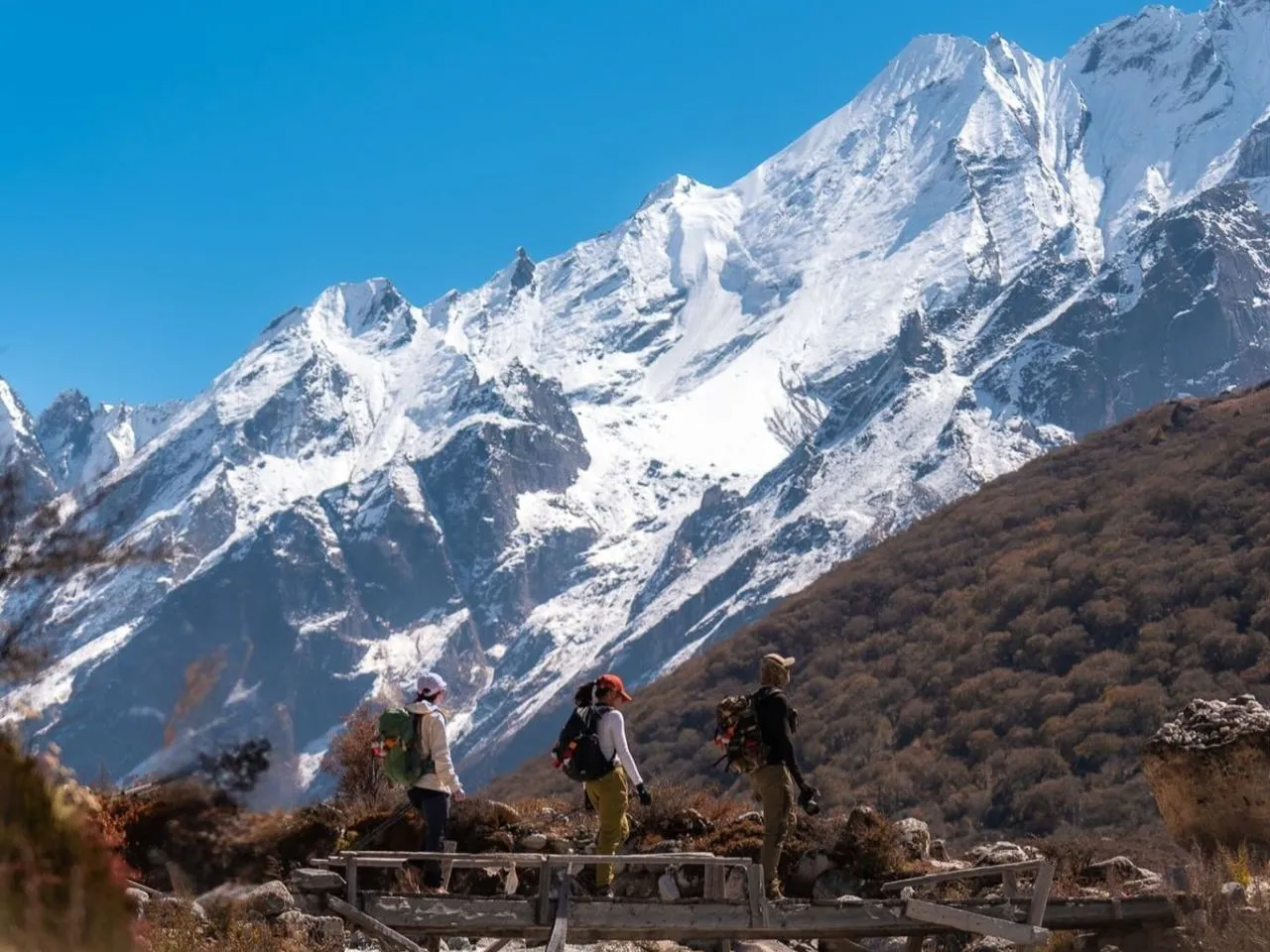
Langtang Luxus-Trek – 10 Tage
Langtang Luxus-Trek – 10 Tage
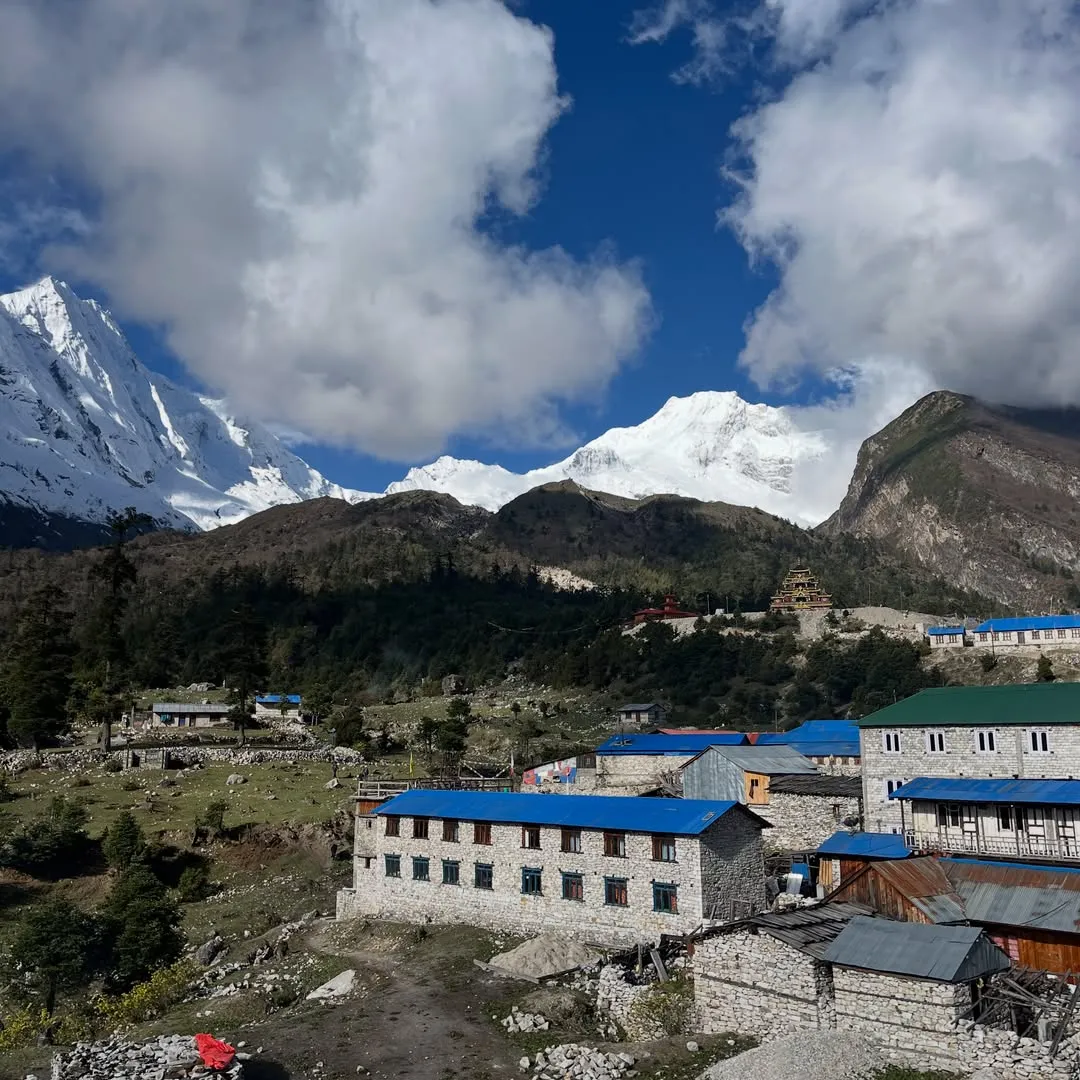
Manaslu-Familienwanderung – 12 Tage
Manaslu-Familienwanderung – 12 Tage
Manaslu-Luxus-Trek – 14 Tage
Manaslu-Luxus-Trek – 14 Tage

Manaslu-Fotografie-Trek – 17 Tage
Manaslu-Fotografie-Trek – 17 Tage
 English
 Deutsch
 Svenska
 Dansk
Dansk Русский
 Français
 Português
 Español
 Polski
 简体中文
简体中文 日本語
日本語 ไทย
ไทย العربية
 한국어
한국어