
schnelle Antwort
The best season for the Mount Kailash via Humla route in 2027 is late May through early October. The sweet spot is the first three weeks of September, when the Humla trail has dried from monsoon, the Kailash kora is snow-free, and the Drolma La at 5,638 metres is passable. Avoid November to April for snow and late June to August for monsoon mudslides on the Simikot to Hilsa trail.
Detaillierte Aufschlüsselung
The Mount Kailash via Humla route combines two distinct climate zones. The Nepal side from Simikot to Hilsa sits in the Karnali canyon at 2,000 to 4,000 metres and receives heavy monsoon from late June to early September. The Tibet side from Purang to Darchen and around the kora sits in the rain shadow at 4,500 to 5,638 metres and stays dry year-round but freezes from November to March.
Late May and early June open the season. The Humla trail is dry, temperatures are mild, and the kora is clear of fresh snow. The downside is dust on the Karnali road and cold nights at Drolma La. Daytime hits 15 to 20 degrees Celsius; nights drop to minus 5.
September is the peak month. Monsoon has just ended, the Humla side is green and dust-free, and Tibet is dry. The kora sees stable weather and temperatures of 8 to 18 degrees Celsius by day and minus 4 to minus 8 by night.
October works but gets cold. The Drolma La can have ice by mid-October, and nights at Darchen drop to minus 10. November to April closes the route. Snow blocks the Drolma La from late October, and Chinese authorities suspend Kailash permits from December to March.
Kosten-/Komponentenaufschlüsselung
| Komponente | genaue Angaben | Kosten im Jahr 2027 USD |
|---|---|---|
| Chinesische Tibet-Reisegenehm | Kailash via Humla, per person | $120 bis $160 |
| Humla restricted-area handling | Simikot to Hilsa section | $80 bis $120 |
| TIMS-Karte | Trekker-Informationsverwaltungssystem | $20 |
| Simikot zum Hilsa-Hubschrauber | Optional, weather backup | $500 bis $700 |
| Tibet guide and jeep | pro Person, 4er-Gruppe | $90 to $130 per day |
| Kora lodging and food | 3 days, basic guesthouse | $30 to $50 per day |
| Nepalgunj to Simikot flight | One-way, 50 minutes | $240 bis $280 |
Was beeinflusst die Antwort
Chinese permit windows dictate the Tibet side. Kailash permits open in early May and close in late October. Outside this window, no number of good weather helps you cross.
The Humla monsoon is the second control. From late June through August, the Simikot to Hilsa trail sees daily rain, swollen streams, and mudslides that close the trail for 2 to 4 days at a time. Helicopter evacuations become common.
Your tolerance for cold is the third factor. October is dry but minus 10 at the Drolma La. Trekkers without minus 20 sleeping bags should target May or September.
Buchungstipps
Book through a Kathmandu agency with a Lhasa partner. The permit chain runs Kathmandu to Lhasa to Ali, and the lead time is 25 to 35 days. Last-minute bookings fail.
Reserve the Nepalgunj to Simikot flight for the morning. Afternoon flights to Simikot cancel at a 40 percent rate due to cloud buildup in the Karnali canyon. Build a 2-day buffer.
Carry USD 600 to USD 800 cash for the Tibet side. ATMs in Purang and Darchen are unreliable, and guesthouses prefer cash in Chinese renminbi or USD.
Vergleich mit Alternativen
Compared with the Lhasa to Kailash overland route, the Humla route saves 4 to 6 days of driving and adds the cultural immersion of Karnali canyon. The Lhasa route has a longer acclimatisation curve, which suits trekkers nervous about altitude.
Compared with the Limi Valley Trek, the Kailash route is more expensive but reaches a singular religious destination. Limi Valley is the better pure trekking choice for those without spiritual interest in Kailash.
Häufige Fehler zu vermeiden
Booking the kora for the first week of May. Chinese permit opening dates slip, and trekkers booked for early May often lose 3 to 5 days in Purang waiting for paperwork.
Skipping acclimatisation in Simikot or Purang. Simikot sits at 2,900 metres and Purang at 3,900 metres. Pushing straight to Darchen at 4,500 metres invites altitude sickness.
Underpacking for the Drolma La. The pass day at 5,638 metres is cold even in September. Carry a down jacket, wind shell, warm gloves, and a minus 20 sleeping bag.
FAQ
What is the single best month for the Kailash via Humla route?
September. The Humla trail has dried from monsoon, the Tibet side is dry and stable, and the Drolma La is snow-free. Book 60 days ahead for September permits.
Is the route open in winter?
No. Chinese authorities suspend Kailash permits from December to March, and snow blocks the Drolma La from late October. The route reopens in early May.
Can I do the Humla approach in July or August?
Technically yes, but not recommended. The Simikot to Hilsa trail sees daily rain and frequent mudslides. Helicopter evacuations from Hilsa are common, and the cost is USD 500 to USD 700.
How cold is the Drolma La in October?
Minus 8 to minus 12 degrees Celsius at the pass at dawn in mid-October. By late October, fresh snow is possible. Bring a minus 20 sleeping bag and a four-layer system.
Zusammenfassung
Book the Mount Kailash via Humla route for late May to early October 2027, with September as the peak. Avoid monsoon from late June to August and winter from November to April. Budget USD 2,800 to USD 4,200 for the full 18 to 24 day trip.
Schluss
The Kailash via Humla route in 2027 is a 18 to 24 day commitment that rewards precise timing. September gives the best balance of weather, permit availability, and trail conditions. Lock in your permit 35 days ahead, fly to Simikot in the morning, and carry cash for the Tibet side.
Empfohlene Trek-Pakete
Trekking-Orte zum Erkunden
Explore Trips in Nepal
Hand-picked guided trips to this destination
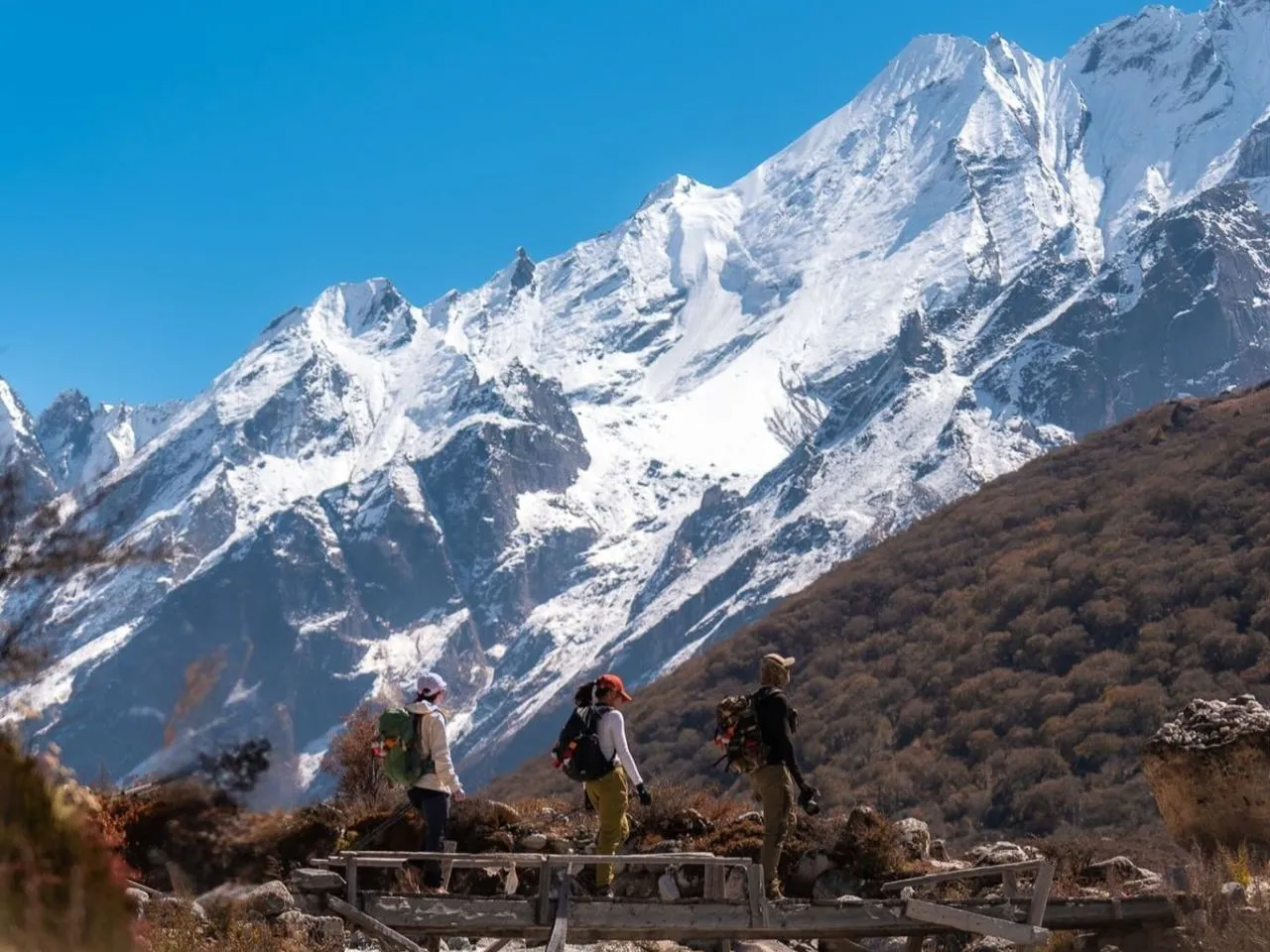
Langtang Luxus-Trek – 10 Tage
Langtang Luxus-Trek – 10 Tage
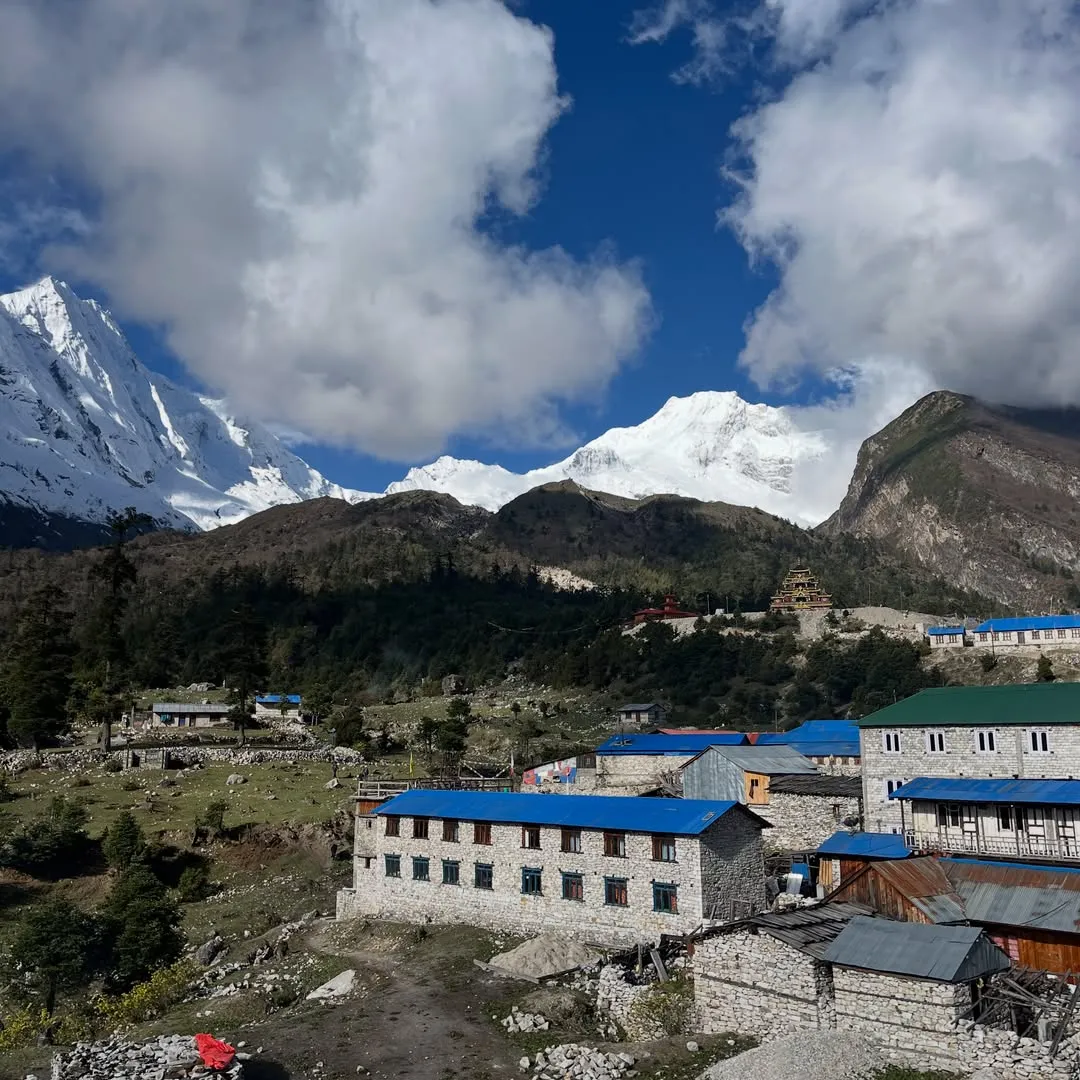
Manaslu-Familienwanderung – 12 Tage
Manaslu-Familienwanderung – 12 Tage
Manaslu-Luxus-Trek – 14 Tage
Manaslu-Luxus-Trek – 14 Tage

Manaslu-Fotografie-Trek – 17 Tage
Manaslu-Fotografie-Trek – 17 Tage
 English
 Deutsch
 Svenska
 Dansk
Dansk Русский
 Français
 Português
 Español
 Polski
 简体中文
简体中文 日本語
日本語 ไทย
ไทย العربية
 한국어
한국어