
schnelle Antwort
The best Island Peak itinerary runs 14 to 18 days. Trekkers fly to Lukla, walk 10 days up the Everest Base Camp trail to acclimatise at Kala Patthar or EBC, cross to Chhukung, climb to high camp at 5,600 metres, summit at 6,189 metres, then descend in 3 to 4 days to Lukla. Faster schedules fail summits through altitude sickness.
Detaillierte Aufschlüsselung
Island Peak, locally called Imja Tse, sits at 6,189 metres in the Khumbu east of Everest. The Nepal Mountaineering Association classifies it as a trekking peak but the summit day involves a 50 degree headwall, fixed ropes, and a knife edge ridge. Acclimatisation matters more than fitness.
The standard 16 day structure starts with a Kathmandu day for permits and gear check, a Lukla flight, then 9 trekking days through Namche, Tengboche, Dingboche, and either Lobuche or Gorak Shep. A Kala Patthar sunrise at 5,545 metres is the acclimatisation high point. From Dingboche the route branches to Chhukung at 4,730 metres, then Island Peak base camp at 5,100 metres, high camp at 5,600 metres, and the summit push.
A shorter 14 day version skips Kala Patthar and gains altitude faster, with summit success dropping from 85 percent to about 60 percent according to 2026 operator reports. An 18 day version adds a second rest day in Namche and a contingency day in base camp for weather.
Kosten-/Komponentenaufschlüsselung
| Komponente | 14 day 2027 | 16 day 2027 | 18 day 2027 |
|---|---|---|---|
| Lukla-Flüge | $360 | $360 | $360 |
| Erlaubt | $145 | $145 | $145 |
| Führer und Klettern Sherpa | $700 | $800 | $900 |
| Lodge und Essen | $420 | $480 | $540 |
| Rentals and gear | $200 | $200 | $200 |
| Summit bonus | $120 | $120 | $120 |
| Gesamtkosten | $1,945 | $2,105 | $2,265 |
Was beeinflusst die Antwort
Starting altitude is the first variable. Trekkers who fly to Lukla at 2,860 metres and walk straight to Phakding gain altitude safely. Those who helicopter to Lukla and rush to Namche in one day spike acute mountain sickness rates to 25 percent.
Rest days are the second variable. The 2 night Namche stop, the Dingboche acclimatisation day, and the Chhukung rest day are non negotiable. Skipping any one cuts summit success by 15 to 20 percent based on 2025 operator data.
High camp use is the third variable. Trekkers who sleep at 5,600 metres instead of 5,100 metres base camp cut summit day from 1,100 metres of climbing to 600 metres. The trade-off is a colder night and a thinner tent platform.
Buchungstipps
Book the Lukla flight 90 days ahead for spring and autumn. The 6am flight window gives the clearest weather and the lowest delay rate.
Use an operator with an in-house climbing Sherpa team, not a subcontracted crew. Ask for the Sherpa name, summit count, and oxygen availability. Island Peak does not usually need oxygen but a backup bottle costs $80 and covers emergencies.
Reserve base camp and high camp tent platforms in October. Operators that own platforms save 2 hours of platform building on summit eve.
Vergleich mit Alternativen
Compared with Mera Peak, Island Peak is shorter but more technical. Mera at 6,476 metres is higher but has no headwall and no fixed ropes. Island Peak demands jumar and rappel skills on the 200 metre headwall.
Compared with a pure Everest Base Camp trek, Island Peak adds 4 days and $700 to $900 but delivers an actual 6,000 metre summit. The EBC trek tops out at 5,545 metres at Kala Patthar.
Häufige Fehler zu vermeiden
Cutting the Dingboche acclimatisation day. Trekkers pushed for time often skip the day hike to Nangkartshang at 5,083 metres. Without that altitude exposure the headwall feels brutal and AMS rates triple.
Booking a 12 day express package. Operators advertising 12 day Island Peak summits use helicopter returns from base camp and skip Kala Patthar. Summit success runs 45 percent and AMS evacuations spike.
Wearing brand new mountaineering boots on summit day. Stiff boots need 4 to 6 walks to break in. Blisters on summit day end climbs at the headwall.
FAQ
How many days do you need for Island Peak?
14 to 18 days from Kathmandu. The 16 day version is the safe standard with an 85 percent summit rate.
Do I need climbing experience for Island Peak?
Basic mountaineering training is required. You need to know jumar ascending, rappelling, and walking in crampons. Most operators run a 2 hour rope session at base camp.
What is the hardest part of Island Peak?
The 200 metre headwall at 5,800 to 6,000 metres. It averages 45 degrees with a 50 degree slab. Fixed ropes and jumars make it safe but exhausting.
Can I climb Island Peak without going to Everest Base Camp?
Yes. The 14 day fast version goes straight to Chhukung from Dingboche. Summit success drops to 60 percent due to thinner acclimatisation.
What is the best season for Island Peak?
April and October. Pre-monsoon April has warmer nights and stable snow. Post-monsoon October has crisp air and firmer headwall ice.
Zusammenfassung
The best Island Peak itinerary runs 16 days, costs $2,100, walks the EBC route for acclimatisation, summits at 6,189 metres, and descends to Lukla in 3 days. The 14 day version saves time and money but lowers summit success to 60 percent.
Schluss
For 2027 and beyond, the 16 day Island Peak itinerary is the right call for first-time 6,000 metre climbers. Trekkers should acclimatise on the EBC route, use high camp, and book a Sherpa team 90 days ahead. Faster schedules trade safety for time and fail too often.
Empfohlene Trek-Pakete
Trekking-Orte zum Erkunden
Explore Trips in Nepal
Hand-picked guided trips to this destination
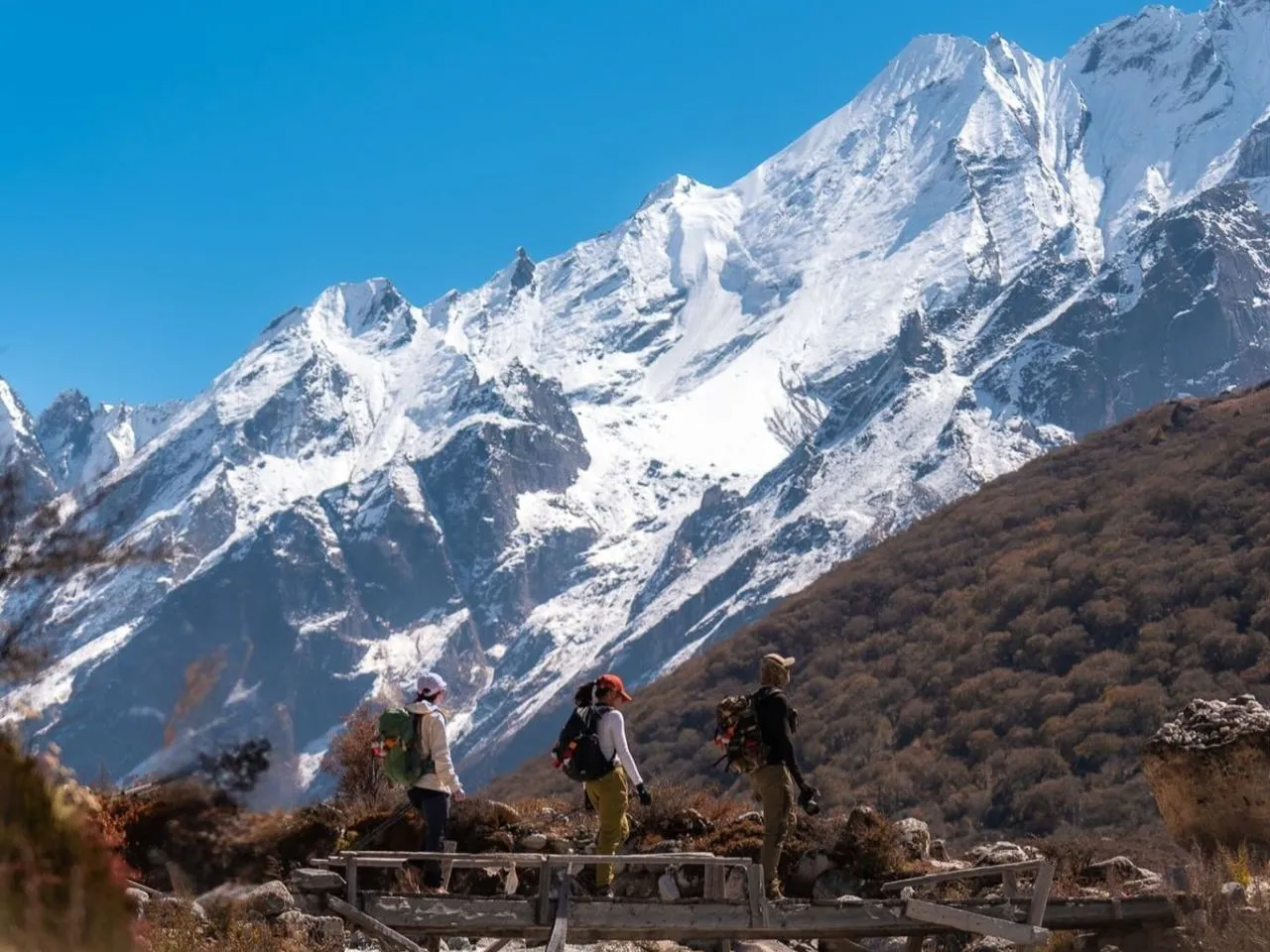
Langtang Luxus-Trek – 10 Tage
Langtang Luxus-Trek – 10 Tage
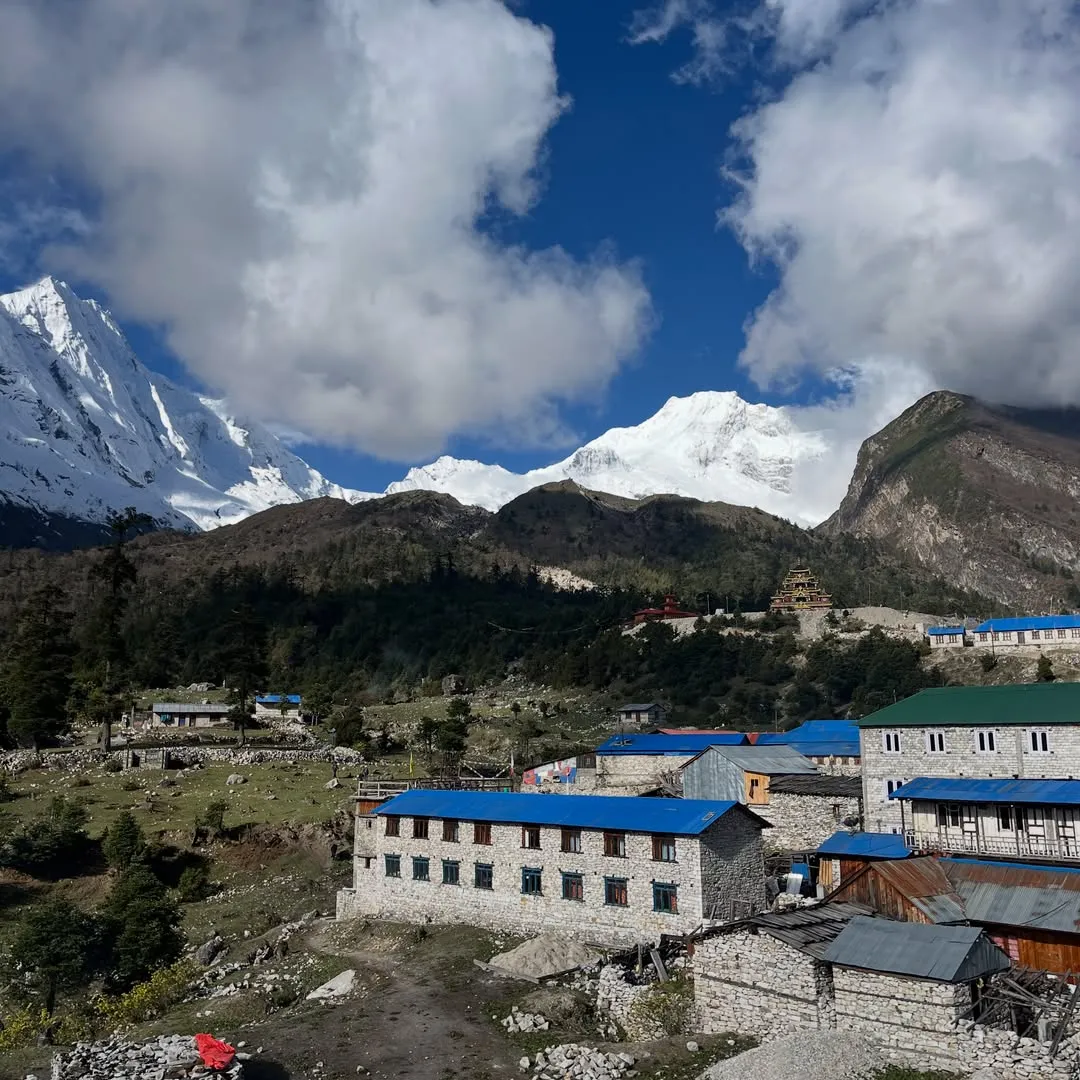
Manaslu-Familienwanderung – 12 Tage
Manaslu-Familienwanderung – 12 Tage
Manaslu-Luxus-Trek – 14 Tage
Manaslu-Luxus-Trek – 14 Tage

Manaslu-Fotografie-Trek – 17 Tage
Manaslu-Fotografie-Trek – 17 Tage
 English
 Deutsch
 Svenska
 Dansk
Dansk Русский
 Français
 Português
 Español
 Polski
 简体中文
简体中文 日本語
日本語 ไทย
ไทย العربية
 한국어
한국어