
schnelle Antwort
Altitude sickness risk on the Gokyo Lakes Trek is moderate to high. Acute mountain sickness affects 30 percent of trekkers above 4,500 m, and the risk of high altitude cerebral edema rises at Gokyo Ri at 5,357 m. Trekkers should spend 2 acclimatisation nights at Namche Bazaar, ascend no more than 400 m per day above 3,500 m, carry acetazolamide, and have insurance covering helicopter rescue to 6,000 m.
Detaillierte Aufschlüsselung
The Gokyo Lakes Trek runs 12 to 14 days from Lukla, reaching 5,357 m at the summit of Gokyo Ri. The trail follows the Dudh Koshi valley to Namche at 3,440 m, then turns west into the Gokyo valley, climbing past Dole at 4,200 m, Machhermo at 4,470 m, and Gokyo village at 4,790 m. The final climb to Gokyo Ri gains 567 m from the village.
Three forms of altitude sickness can occur. Acute mountain sickness, or AMS, hits 30 percent of trekkers above 4,500 m with headache, nausea, and poor sleep. High altitude cerebral edema, or HACE, affects 1 to 2 percent and causes confusion and loss of coordination, requiring immediate descent. High altitude pulmonary edema, or HAPE, affects 1 to 3 percent and causes breathlessness at rest and cough, also requiring immediate descent and oxygen.
Risk rises sharply above 4,500 m. At Dole at 4,200 m, AMS incidence is 12 percent. At Machhermo at 4,470 m, it is 22 percent. At Gokyo village at 4,790 m, it is 35 percent. After climbing Gokyo Ri at 5,357 m, AMS incidence in the next 24 hours is 45 percent, with most cases mild to moderate.
Kosten-/Komponentenaufschlüsselung
| Komponente | Detail | kosten USD |
|---|---|---|
| Acetazolamid-Kurs | 125 mg, 14 days | $15 bis $30 |
| Pulsoximeter | Fingertip, daily checks | $20 bis $40 |
| Garmin inReach Mini | Satellite messenger, rental | $60 to $120 for 14 days |
| Travel insurance with rescue to 6,000 m | 14 day policy | $80 bis $180 |
| Helicopter rescue from Gokyo | If uninsured, paid by trekker | $3,500 bis $5,000 |
| Supplemental oxygen canister | Carried by guide, 2 L | $45 bis $80 |
| Verleih von Gamow-Taschen | Optional, for groups | $80 bis $150 |
| Insurance premium difference | Standard vs altitude cover | $30 bis $60 |
Was beeinflusst die Antwort
Ascent rate is the single biggest factor. Trekkers who fly to Lukla at 2,840 m and reach Gokyo village at 4,790 m in 5 days have a 35 percent AMS rate. Those who add 2 acclimatisation nights, one at Namche and one at Dole, drop the rate to 12 percent. Age matters less than fitness, but trekkers over 60 have a slightly higher HACE risk.
History of altitude sickness also matters. Trekkers who had AMS on a previous trek above 4,000 m are 3 times more likely to get it again. They should consider a 13 day itinerary with 3 acclimatisation nights and a prophylactic acetazolamide dose of 125 mg twice daily from Namche.
Buchungstipps
Book a 13 day itinerary that includes 2 acclimatisation nights at Namche and 1 at Machhermo, not the bare 11 day route. Carry travel insurance that explicitly covers trekking to 6,000 m and helicopter rescue, and carry the policy number on a card in your jacket. Pack acetazolamide, a pulse oximeter, and a sat messenger. Ask the guide to carry a 2 L oxygen canister, which costs USD 45 to USD 80 in Kathmandu.
Vergleich mit Alternativen
Compared with the Everest Base Camp Trek at 5,364 m, Gokyo has a similar max altitude but fewer crowds and lower rescue response time from Machhermo clinic. Compared with the Annapurna Circuit via Thorong La at 5,416 m, Gokyo has slower ascent and better lodge infrastructure.
Häufige Fehler zu vermeiden
Trekkers often skip the Machhermo acclimatisation day to reach Gokyo a day early, then get hit by AMS at the village. A second mistake is climbing Gokyo Ri on the morning of arrival at Gokyo, which combines 4,790 m sleep altitude with a 567 m climb and a 30 percent AMS rate. A third is ignoring early symptoms like a headache at dinner, then waking at 2 am with HACE.
FAQ
How common is altitude sickness on the Gokyo Lakes Trek? About 30 percent of trekkers get mild AMS above 4,500 m. HACE and HAPE each affect 1 to 3 percent. Risk drops sharply with 2 acclimatisation nights at Namche.
Should I take acetazolamide on the Gokyo trek? Yes, for most trekkers. A 125 mg dose twice daily from Namche speeds acclimatisation and cuts AMS risk by 50 percent. Side effects are tingling and frequent urination.
What is the highest risk point on the trek? The morning climb to Gokyo Ri at 5,357 m. Combine sleep altitude of 4,790 m with a 567 m climb and oxygen at 50 percent of sea level, and AMS rates hit 45 percent within 24 hours.
How fast can a helicopter rescue reach Gokyo? 2 to 4 hours in clear weather from Lukla. Insurance must cover altitude to 6,000 m, and the trekker must have a sat messenger to call it in.
Zusammenfassung
Altitude sickness risk on the Gokyo Lakes Trek is moderate to high, with 30 percent AMS rate above 4,500 m and HACE risk at Gokyo Ri at 5,357 m. Two acclimatisation nights, slow ascent, acetazolamide, and altitude specific insurance cut risk and improve outcomes.
Schluss
The Gokyo Lakes Trek is achievable for fit trekkers in 2027 to 2030 with proper altitude management. Build in 2 acclimatisation nights, carry acetazolamide and a sat messenger, and buy insurance that covers helicopter rescue to 6,000 m. Trekkers who respect the altitude reach Gokyo Ri safely and enjoy the best lake views in Khumbu.
Empfohlene Trek-Pakete
Trekking-Orte zum Erkunden
Explore Trips in Nepal
Hand-picked guided trips to this destination
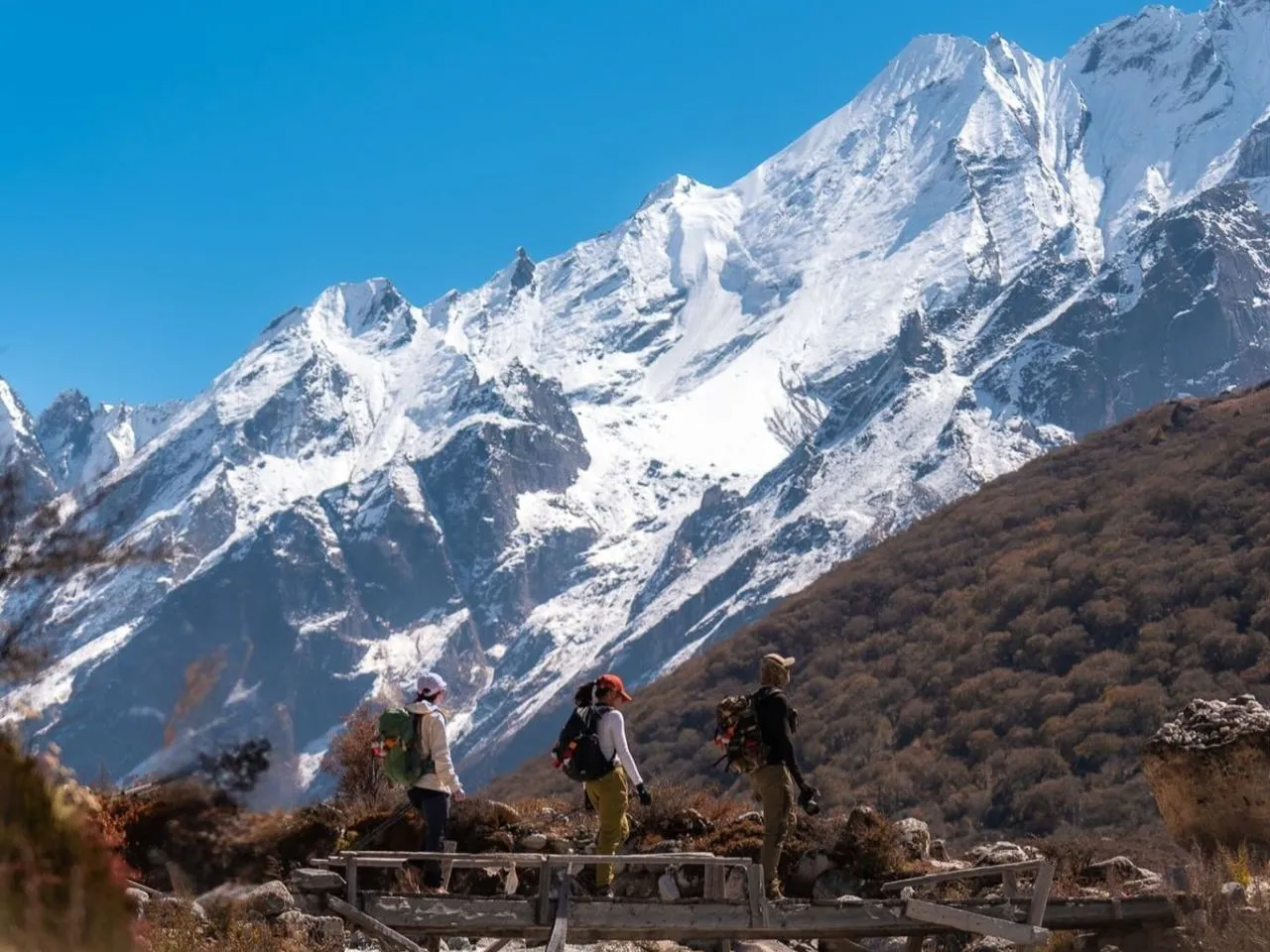
Langtang Luxus-Trek – 10 Tage
Langtang Luxus-Trek – 10 Tage
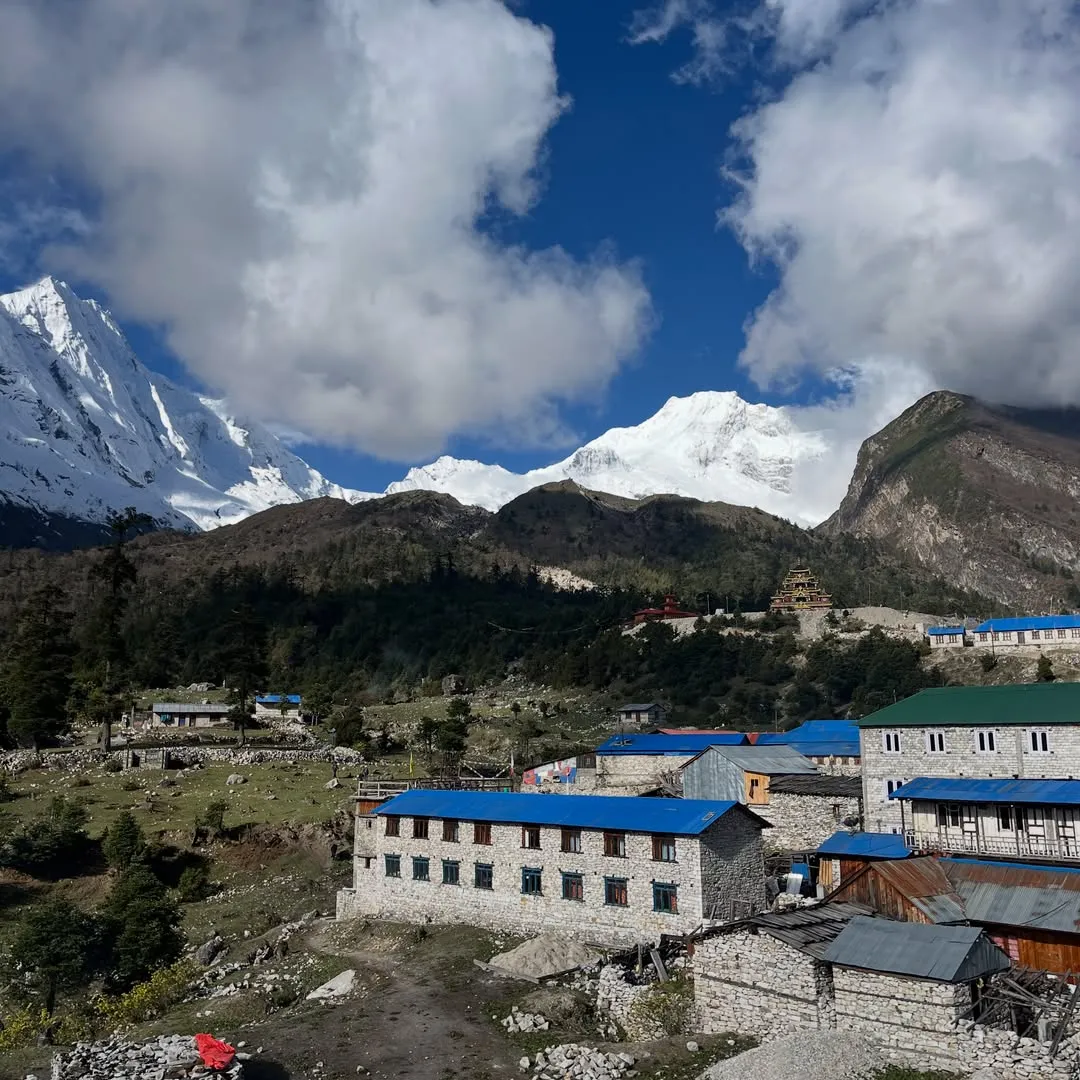
Manaslu-Familienwanderung – 12 Tage
Manaslu-Familienwanderung – 12 Tage
Manaslu-Luxus-Trek – 14 Tage
Manaslu-Luxus-Trek – 14 Tage

Manaslu-Fotografie-Trek – 17 Tage
Manaslu-Fotografie-Trek – 17 Tage
 English
 Deutsch
 Svenska
 Dansk
Dansk Русский
 Français
 Português
 Español
 Polski
 简体中文
简体中文 日本語
日本語 ไทย
ไทย العربية
 한국어
한국어