
schnelle Antwort
October to November delivers the best Arun Valley trek conditions in 2027 to 2030, with stable weather, 200 km visibility from Salpa Pass at 4,200 m, and dry trails through Makalu Barun National Park. Spring (March to April) is the secondary window with rhododendron bloom and warmer temperatures. Avoid monsoon (June to September) due to leeches below 2,500 m and landslides on the Tumlingtar to Khandbari road. Cost runs $1,200 to $1,800 per person for 14 to 18 days.
Detaillierte Aufschlüsselung
The Arun Valley trek starts at Tumlingtar at 400 m, follows the Arun River through Khandbari at 1,020 m, Chichila at 1,830 m, Num at 1,560 m, Seduwa at 1,493 m, crosses the Salpa Pass at 3,350 m or the Salpa La at 4,200 m, and exits via Lukla at 2,860 m or Phaplu at 2,470 m on the Everest trail. The route covers 130 to 170 km depending on exit choice, traversing Makalu Barun National Park and the Salpa Pokhari lake region.
October and November deliver post monsoon clean air with 200 km visibility from the Salpa Pass viewpoints. The Makalu range at 8,485 m and the Kangchenjunga range appear sharply on sunrise mornings. Trail conditions are dry, with stable footbridges across the Arun and Isuwa rivers. Day temperatures run 15 to 20 Celsius at 2,000 m, dropping to 0 to 5 Celsius at 4,000 m.
Spring (March to April) is the secondary window. Rhododendron bloom covers the 2,000 to 3,000 m section between Chichila and Seduwa in red, pink, and white. Pre monsoon haze reduces visibility to 120 km. Day temperatures run 18 to 25 Celsius at 2,000 m, with warmer trekking but softer photography light.
Kosten-/Komponentenaufschlüsselung
| Komponente | Herbst | springen | überwintern | Monsun |
|---|---|---|---|---|
| Makalu Barun NP-Genehmigung | $30 | $30 | $30 | $30 |
| TIMS-Karte | $17 | $17 | $17 | $17 |
| Guide (14-18 days) | $420 bis $540 | $420 bis $540 | $360 bis $460 | $340 to $440 |
| Portier | $336 to $432 | $336 to $432 | $288 to $370 | $270 to $350 |
| Teehaus Unterkunft | $280 bis $360 | $280 bis $360 | $220 bis $280 | $200 bis $260 |
| Mahlzeiten | $560 bis $720 | $560 bis $720 | $450 to $580 | $420 bis $540 |
| Flüge von Kathmandu nach Tumlingtar | $140 bis $180 | $140 bis $180 | $140 bis $180 | $140 bis $180 |
| Lukla or Phaplu to Kathmandu flight | $180 to $200 | $180 to $200 | $180 to $200 | $180 to $200 |
| Helikopter-Evakuierungsversicherung | $80 bis $120 | $80 bis $120 | $80 bis $120 | $80 bis $120 |
| Gesamt pro Person (4-Gruppe) | $1,400 bis $1,800 | $1,400 bis $1,800 | $1,200 bis $1,500 | $1,100 bis $1,400 |
Was beeinflusst die Antwort
Three factors shape the season choice. First, visibility and photography: October delivers 200 km visibility with sharp Makalu and Kangchenjunga views. Spring drops to 120 km with rhododendron color tradeoff. Winter delivers sharp cold sky but pass snow risk.
Buchungstipps
Book Arun Valley packages 6 weeks ahead for October departures, since Kathmandu to Tumlingtar flights run 4 times weekly with 25 percent weather cancellation in shoulder season. Ask the operator for a named NMA licensed guide with prior Makalu region trips.
Verify the package lists teahouse lodging with attached bathroom at Khandbari, Chichila, and Seduwa. Confirm meal inclusions cover breakfast, lunch, and dinner with tea or coffee. For the Salpa Pass crossing, confirm an early 5 am start and contingency day at Salpa Pokhari.
Vergleich mit Alternativen
The Makalu Base Camp trek runs $1,800 to $2,800 for 18 to 22 days and reaches 4,870 m, suitable for trekkers wanting higher altitude with the same starting point. The Everest Base Camp trek runs $1,200 to $1,900 for 12 to 14 days and reaches 5,545 m, suitable for trekkers wanting direct Everest access. The Annapurna Circuit runs $1,000 to $1,800 for 15 to 18 days and crosses Thorong La at 5,416 m, suitable for trekkers wanting teahouse density.
Häufige Fehler zu vermeiden
Do not book an Arun Valley trek in monsoon (June to September), since leeches below 2,500 m and landslides on the Tumlingtar to Khandbari road close the trail for 2 to 3 day stretches. Avoid October packages that compress the Salpa Pass crossing in 1 day, since this skips acclimatization and triggers altitude sickness in 25 percent of trekkers.
FAQ
Was ist der beste Monat für die Arun Valley Trek?Late October to mid November for post monsoon clean air, 200 km visibility, and dry trails. March to April is the secondary window with rhododendron bloom.
Can I do the Arun Valley trek in winter?Yes with four season gear and microspikes. Salpa Pass at 4,200 m drops to minus 10 Celsius at night. Snow can close the pass for 5 to 7 day stretches in January.
Wie viel kostet die Arun Valley Trek?$1,200 to $1,800 per person for 14 to 18 days in autumn and spring, including Makalu Barun NP permit, TIMS, guide, porter, teahouse lodging, meals, and both flights.
What is the highest point on the Arun Valley trek?Salpa Pass at 3,350 m on the standard route, or the Salpa La at 4,200 m on the higher variant. Both options offer Makalu and Kangchenjunga views on clear October mornings.
Zusammenfassung
October to November delivers the best Arun Valley trek conditions with stable weather, 200 km visibility, and dry trails. Spring is the secondary window with rhododendron bloom. Avoid monsoon due to leeches and landslides.
Schluss
Pick the October 14 to 18 day Arun Valley package at $1,400 to $1,800 for the best balance of visibility, trail conditions, and comfort. Spring works for rhododendron focus, winter for solitude with cold tolerance. Book 6 weeks ahead through a Kathmandu based operator with a named NMA licensed guide, carry 18,000 rupees cash, and accept 5 to 15 daily trekkers for low crowd density. Arun Valley rewards preparation with the most diverse ecosystem trek in eastern Nepal.
Empfohlene Trek-Pakete
Trekking-Orte zum Erkunden
Explore Trips in Nepal
Hand-picked guided trips to this destination
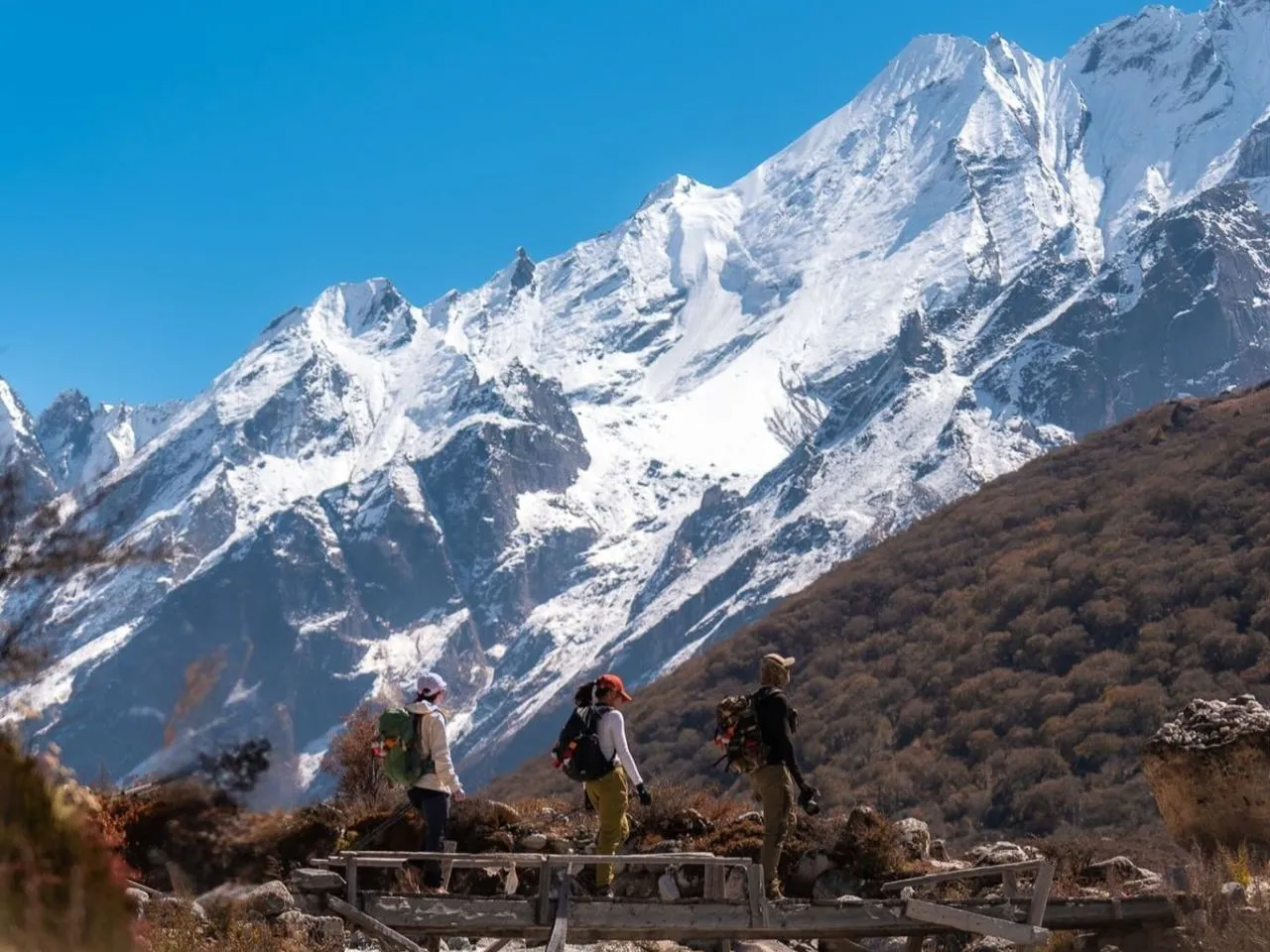
Langtang Luxus-Trek – 10 Tage
Langtang Luxus-Trek – 10 Tage
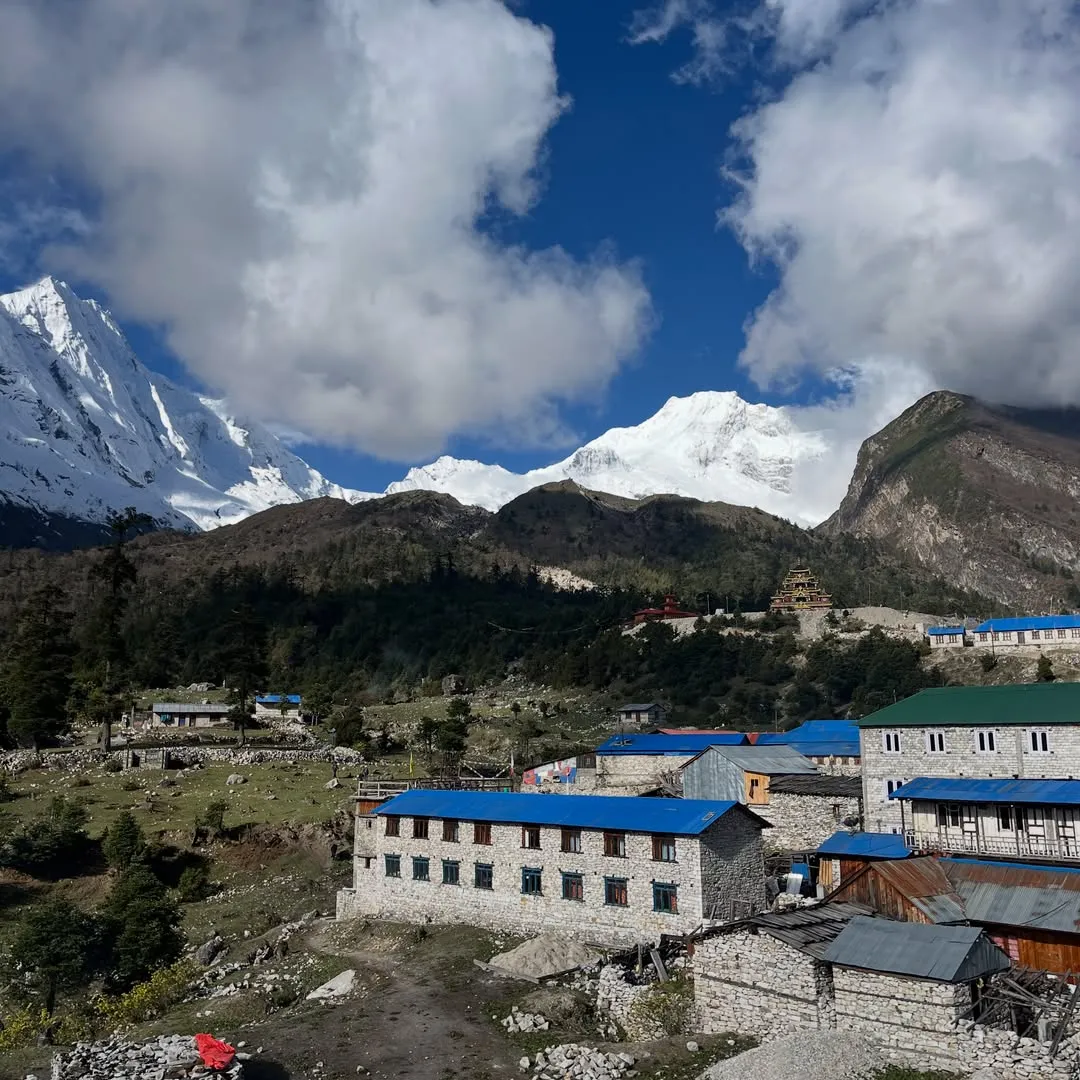
Manaslu-Familienwanderung – 12 Tage
Manaslu-Familienwanderung – 12 Tage
Manaslu-Luxus-Trek – 14 Tage
Manaslu-Luxus-Trek – 14 Tage

Manaslu-Fotografie-Trek – 17 Tage
Manaslu-Fotografie-Trek – 17 Tage
 English
 Deutsch
 Svenska
 Dansk
Dansk Русский
 Français
 Português
 Español
 Polski
 简体中文
简体中文 日本語
日本語 ไทย
ไทย العربية
 한국어
한국어