
schnelle Antwort
An Api Namba trek itinerary in 2027 to 2030 with realistic walking times caps daily walking hours at 4 to 6 above 3,000 m, schedules rest days at Kanda village at 2,500 m and Api base camp at 4,000 m, and runs 12 to 16 days total from Gokuleshwor. The 2,500 m altitude gain from Gokuleshwor at 800 m to base camp needs 5 walking days plus 2 acclimatization days. The trek costs $1,500 to $2,200 per person including the Api Namba Conservation Area Permit.
Detaillierte Aufschlüsselung
The Api Namba Trek sits in far west Nepal in the Api Namba Conservation Area, peaking at 4,000 m at Api base camp. The 12 to 16 day route starts at Gokuleshwor at 800 m, climbs through Sunsera and Deurali to Kanda village at 2,500 m, then ascends to Api base camp at 4,000 m before returning by the same trail. The route sees fewer than 80 trekkers per year and has no teahouse coverage above Kanda.
A realistic itinerary caps daily walking hours at 4 to 6 above 3,000 m, with a 5 day approach to base camp. Day 1 covers Gokuleshwor to Sunsera at 1,400 m in 4 hours, day 2 covers Sunsera to Deurali at 2,200 m in 6 hours, day 3 covers Deurali to Kanda at 2,500 m in 4 hours, day 4 is a rest day at Kanda, and day 5 to 7 cover Kanda to Api base camp at 4,000 m with one acclimatization day at 3,500 m. Rushed itineraries that compress this to 8 days trigger altitude sickness in 1 of 4 trekkers.
Kosten-/Komponentenaufschlüsselung
| Komponente | Kosten (USD) |
|---|---|
| API Namba Naturschutzgebietsgenehmigung | $30 |
| TIMS-Karte | $17 |
| Kathmandu to Dhangadhi flight (round trip) | $260 bis $320 |
| Dhangadhi to Gokuleshwor jeep (round trip) | $140 bis $200 |
| Lizenziertes Guide (14 Tage) | $420 bis $560 |
| Cook and kitchen crew (14 days) | $350 bis $490 |
| Porter crew (14 days, 1 per trekker) | $490 to $700 |
| Camping gear and food (14 days) | $280 bis $420 |
| Satelliten-Telefonver | $40 bis $60 |
| Crew insurance with $10,000 evacuation cover | $60 bis $90 |
| Gesamt pro Person (4-Gruppe) | $1,500 bis $2,200 |
Was beeinflusst die Antwort
Three factors shape realistic walking times. First, altitude and terrain: above 3,000 m the trail has steep climbs on loose rock, and trekkers average 250 to 300 m of altitude gain per hour. A 6 hour day covers 1,500 to 1,800 m of gain.
Second, pack weight: trekkers carrying a 6 kg daypack average 4 hours of walking above 3,000 m, while porters carrying 25 kg average 6 hours. A realistic itinerary builds porter rest into the schedule.
Third, season: October sees stable weather with 5 to 6 hour walking days, while April sees snow above 3,500 m that cuts walking speed by 30 percent. Spring itineraries should add an extra day to the approach.
Buchungstipps
Shortlist 3 operators with Api Namba Conservation Area experience in 2025 or 2026. Ask each for the day by day altitude chart, the named guide, and the satellite phone number that connects to Dhangadhi.
Reject any itinerary that schedules Api base camp on day 7 or earlier. Pay 30 percent deposit by card, 70 percent on arrival in Dhangadhi. Avoid operators who quote under $1,400 per person for the 14 day route.
Vergleich mit Alternativen
Compared with the Api Base Camp Trek, which reaches 4,200 m on a 14 to 16 day route in the same conservation area, Api Namba has slightly lower altitude and more cultural village stops. Trekkers wanting altitude should pick Api Base Camp; trekkers wanting culture should pick Api Namba.
Compared with the Saipal Base Camp Trek, which reaches 4,600 m on a 14 to 18 day route in the same far west region, Api Namba is shorter and less technical. Trekkers wanting a serious wilderness objective should pick Saipal; trekkers wanting a moderate route should pick Api Namba.
Häufige Fehler zu vermeiden
Do not book an 8 day Api Namba itinerary. The 2,500 m altitude gain from Gokuleshwor to base camp in 6 days triggers acute mountain sickness in 1 of 4 trekkers.
Avoid operators with no rest day at Kanda village. The 1,500 m gain from Deurali to base camp in 4 days raises AMS risk above 3,500 m. Skip any plan that schedules 7 or more walking hours above 3,500 m.
FAQ
How many walking hours per day are realistic above 3,000 m?4 to 6 hours, with a 30 minute lunch break. Porters carrying 25 kg average 6 hours, while trekkers average 4 to 5 hours.
How many days should the Api Namba trek take?12 to 16 days total, with 5 walking days to base camp and 2 acclimatization days. Rushed 8 to 10 day plans trigger altitude sickness.
What is the safe daily altitude gain above 3,000 m?300 to 400 m of sleeping altitude gain per day, with a rest day every 600 to 800 m of total gain.
Does Api Namba need a restricted area permit?No, just the Api Namba Conservation Area Permit at $30 and TIMS at $17. The route is open to all licensed groups.
Which months are best for Api Namba?October to November and April to May. October sees stable weather; April sees snow above 3,500 m that slows walking.
Zusammenfassung
An Api Namba trek itinerary in 2027 to 2030 with realistic walking times caps daily hours at 4 to 6 above 3,000 m, schedules rest days at Kanda and base camp, and runs 12 to 16 days. Total cost runs $1,500 to $2,200 per person. Rushed itineraries under 12 days are unsafe.
Schluss
Book an Api Namba operator that provides a day by day altitude chart, caps daily walking hours at 4 to 6 above 3,000 m, and schedules rest days at Kanda village and base camp. Verify the satellite phone and $10,000 evacuation cover. The right pacing turns the 4,000 m base camp into a controlled cultural trek.
Empfohlene Trek-Pakete
Trekking-Orte zum Erkunden
Explore Trips in Nepal
Hand-picked guided trips to this destination
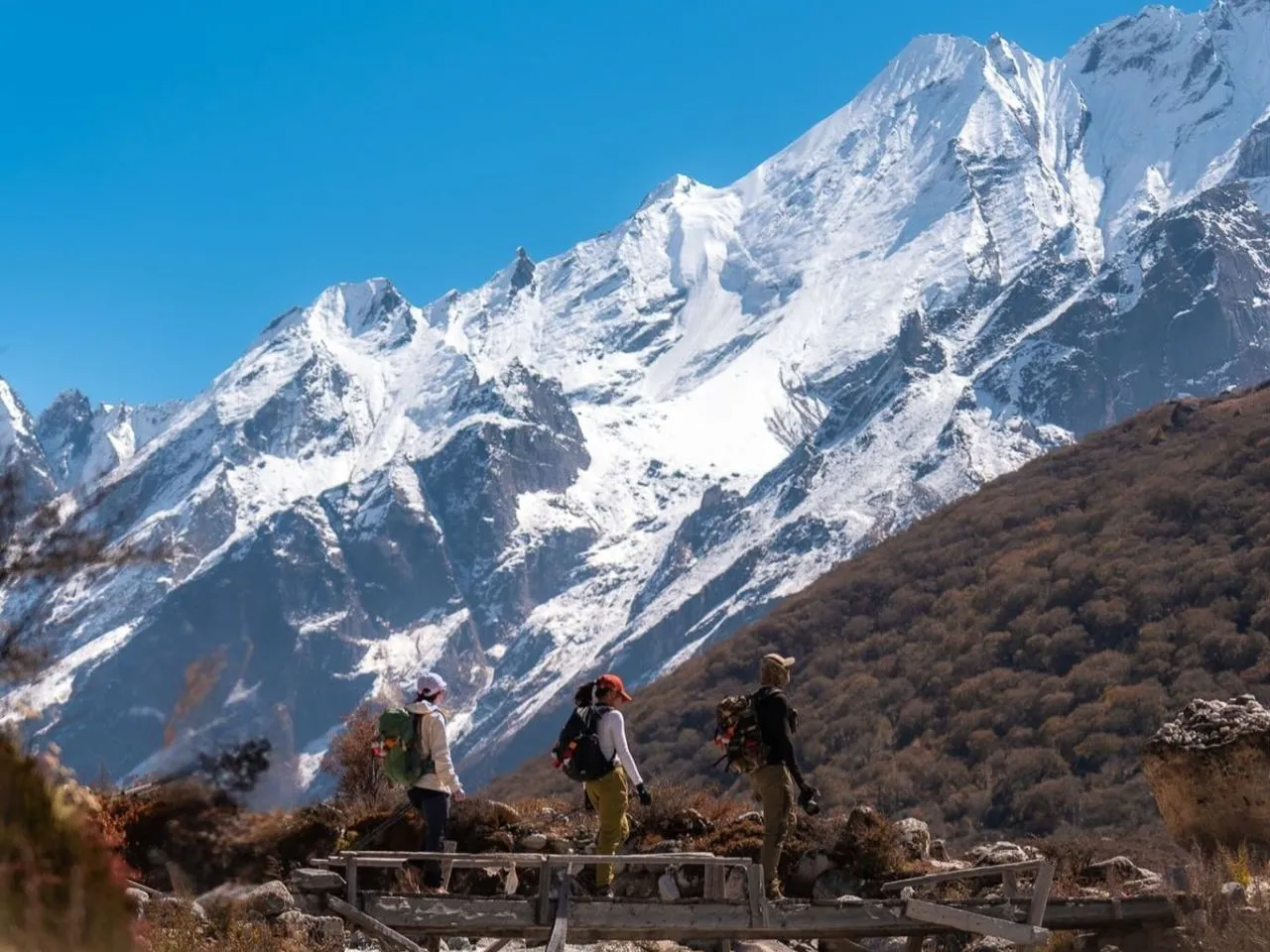
Langtang Luxus-Trek – 10 Tage
Langtang Luxus-Trek – 10 Tage
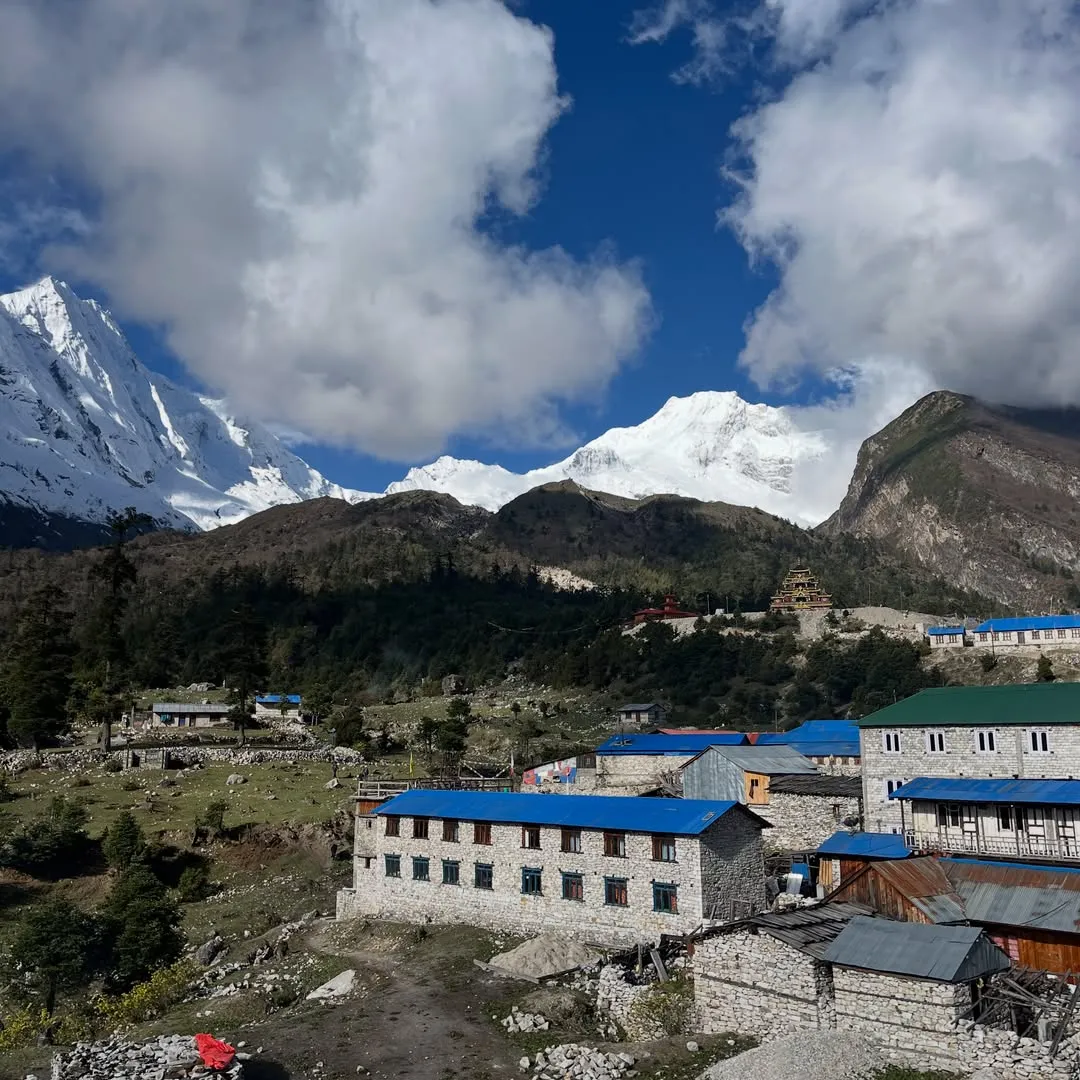
Manaslu-Familienwanderung – 12 Tage
Manaslu-Familienwanderung – 12 Tage
Manaslu-Luxus-Trek – 14 Tage
Manaslu-Luxus-Trek – 14 Tage

Manaslu-Fotografie-Trek – 17 Tage
Manaslu-Fotografie-Trek – 17 Tage
 English
 Deutsch
 Svenska
 Dansk
Dansk Русский
 Français
 Português
 Español
 Polski
 简体中文
简体中文 日本語
日本語 ไทย
ไทย العربية
 한국어
한국어