
schnelle Antwort
Yes. Kyanjin Ri at 4,984 m and Tserko Ri at 5,033 m both exceed the 4,900 m acute mountain sickness threshold. Trekkers on the Langtang Valley Trek should treat both peaks as altitude days, with a full acclimatization day at Kyanjin Gompa and a pre-dawn start to avoid afternoon weather changes.
Detaillierte Aufschlüsselung
The Langtang Valley Trek reaches Kyanjin Gompa at 3,870 m on day 5 or 6 from Syabrubesi. From Kyanjin, two day-hike peaks are accessible. Kyanjin Ri is a 1,114 m climb over 3 to 4 km, with a flagged trail to a summit stupa at 4,984 m. Tserko Ri is a 1,163 m climb over 5 km to a cairn-marked summit at 5,033 m.
Both peaks are non-technical but high enough that acute mountain sickness symptoms appear in 25 to 35 percent of trekkers who ascend without acclimatization. The risk rises sharply above 4,500 m, and both summits sit above this threshold for 2 to 4 hours during the hike.
Kosten-/Komponentenaufschlüsselung
| Komponente | Standard 8-day Langtang package 2027 | selbstständig |
|---|---|---|
| Tagessatz anleiten | $30 bis $45 | optional |
| Porter daily rate | $18 bis $25 | optional |
| Teahouse lodging and food | $25 bis $35 pro Tag | $25 bis $35 pro Tag |
| Langtang National Park plus TIMS | $45 | $45 |
| Kathmandu zu Syabrubesi Jeep | $80 shared, $200 private | $80 shared |
| Diamox supply | $15 bis $25 | $15 bis $25 |
| Gesamt 2027 | $580 bis $820 | $340 to $440 |
Was beeinflusst die Antwort
Acclimatization schedule is the first factor. Trekkers who spend 2 nights at Kyanjin Gompa before summiting either peak reduce acute mountain sickness risk by 50 percent. The single-night approach from Langtang Village triples risk.
Ascent rate is the second factor. The standard recommendation is 400 m of sleeping altitude gain per day above 3,000 m. Both Kyanjin Ri and Tserko Ri exceed this in a single morning push, so a slow 300 to 400 m per hour pace on the summit day is essential.
Hydration and nutrition are the third factor. Trekkers should drink 4 litres of water on the summit day and eat a full carbohydrate breakfast at Kyanjin Gompa before starting.
Buchungstipps
Book Kyanjin Gompa teahouses 10 days ahead in October. The village has 14 lodges and they fill by 5 pm in peak season. A guide can pre-book the higher-quality lodges with attached bathrooms.
Hire a guide with prior Langtang experience. The Kyanjin Ri trail has 3 route variations and the Tserko Ri trail has a confusing fork at 4,400 m. A guide who knows both routes saves 30 to 60 minutes of wrong-trail walking.
Carry a pulse oximeter and a basic first-aid kit with Diamox. The nearest clinic is in Syabrubesi, a 2-day walk from Kyanjin. Serious cases require helicopter evacuation, which costs $3,000 to $5,000 without insurance.
Vergleich mit Alternativen
Compared with Kala Patthar at 5,545 m on the Everest Base Camp Trek, Kyanjin Ri is 560 m lower and the gain from base is gentler. The acclimatization approach is similar but the Langtang summit day is shorter.
Compared with Khopra Ridge at 3,660 m, Kyanjin Ri is 1,324 m higher and requires a dedicated acclimatization strategy. Khopra can be summited without altitude concern.
Compared with Tserko Ri, Kyanjin Ri is 49 m lower but has a more reliable trail and a stupa summit marker. Trekkers worried about navigation should choose Kyanjin Ri.
Häufige Fehler zu vermeiden
Summiting either peak on the first Kyanjin morning. The 1,100 m gain from 3,870 m to 4,984 m in a single push without a rest day causes acute mountain sickness in 35 percent of trekkers.
Starting the summit push after 8 am. Cloud builds on both peaks by 11 am from April to October. A 5 am start reaches the summit by 8 am with clear views.
Ignoring early symptoms. Headache and loss of appetite at 4,500 m on the way up are reasons to stop and descend 300 m. Continuing to the summit risks high-altitude cerebral edema.
FAQ
What is the altitude of Kyanjin Ri?
4,984 m. The summit stupa sits 1,114 m above Kyanjin Gompa at 3,870 m, reached by a 3 to 4 km flagged trail in 3 to 4 hours.
What is the altitude of Tserko Ri?
5,033 m. The summit cairn sits 1,163 m above Kyanjin Gompa, reached by a 5 km trail in 4 to 5 hours. The trail has a confusing fork at 4,400 m.
Which is harder, Kyanjin Ri or Tserko Ri?
Tserko Ri is harder. It is 49 m higher, has a longer trail, and a more confusing route. Both are non-technical but require acclimatization.
Do I need Diamox for Kyanjin Ri or Tserko Ri?
Recommended for trekkers without prior 4,500 m experience. A 125 mg dose twice daily from Kyanjin Gompa onward reduces acute mountain sickness risk by 50 percent. Consult a travel doctor before departure.
Zusammenfassung
Altitude sickness is a real concern on both Kyanjin Ri and Tserko Ri. Both peaks exceed 4,900 m and require a full acclimatization day at Kyanjin Gompa, a 5 am start, and a slow ascent pace. Trekkers with prior 4,500 m experience can summit either peak safely with proper pacing.
Schluss
For peak climbers on the Langtang Valley Trek in 2027, Kyanjin Ri is the safer first summit and Tserko Ri is the stronger test. Plan 2 nights at Kyanjin Gompa, carry Diamox, and turn around at the first acute mountain sickness symptom. Both peaks reward disciplined acclimatization with clear Himalayan views.
Empfohlene Trek-Pakete
Trekking-Orte zum Erkunden
Explore Trips in Nepal
Hand-picked guided trips to this destination
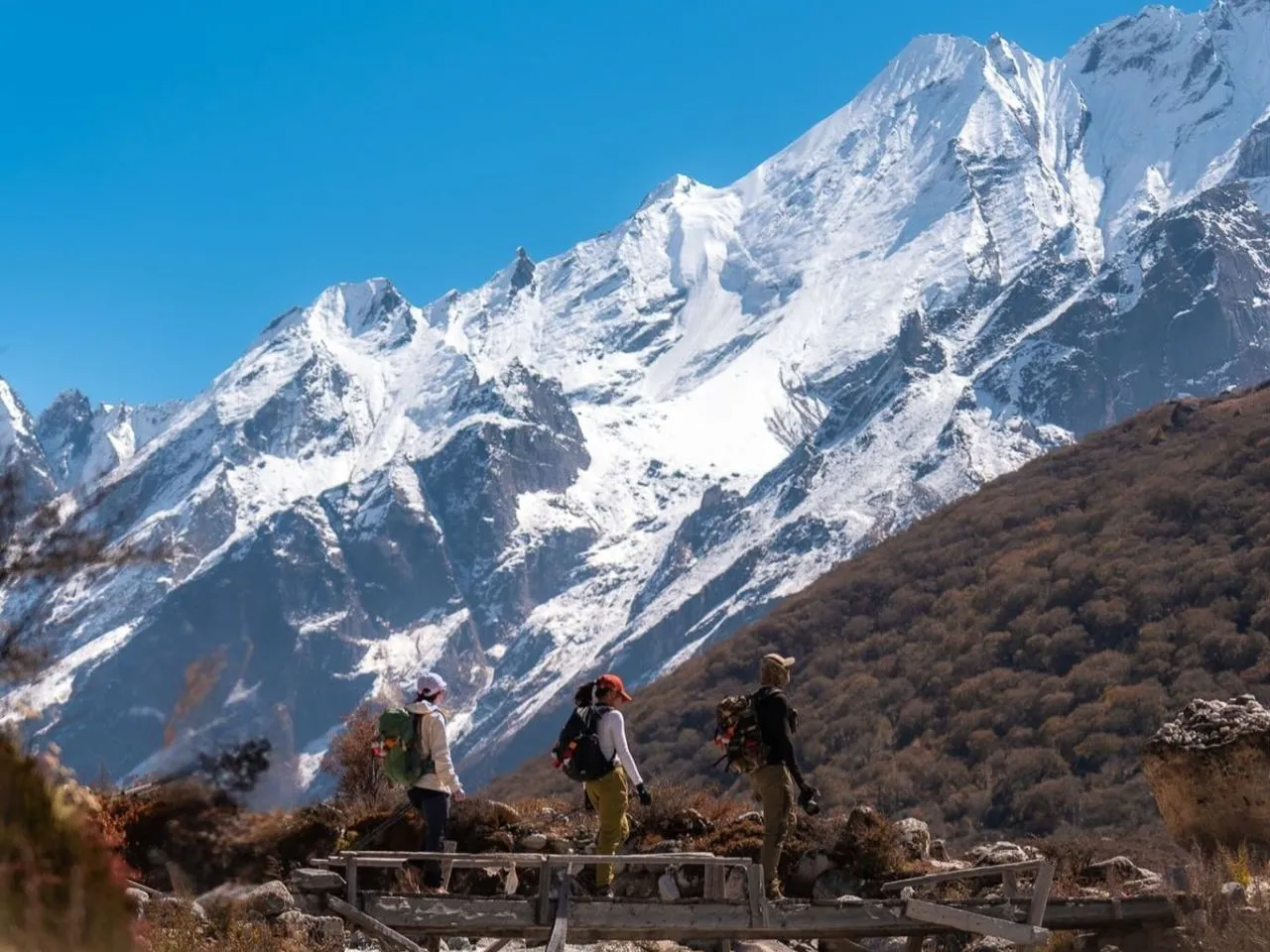
Langtang Luxus-Trek – 10 Tage
Langtang Luxus-Trek – 10 Tage
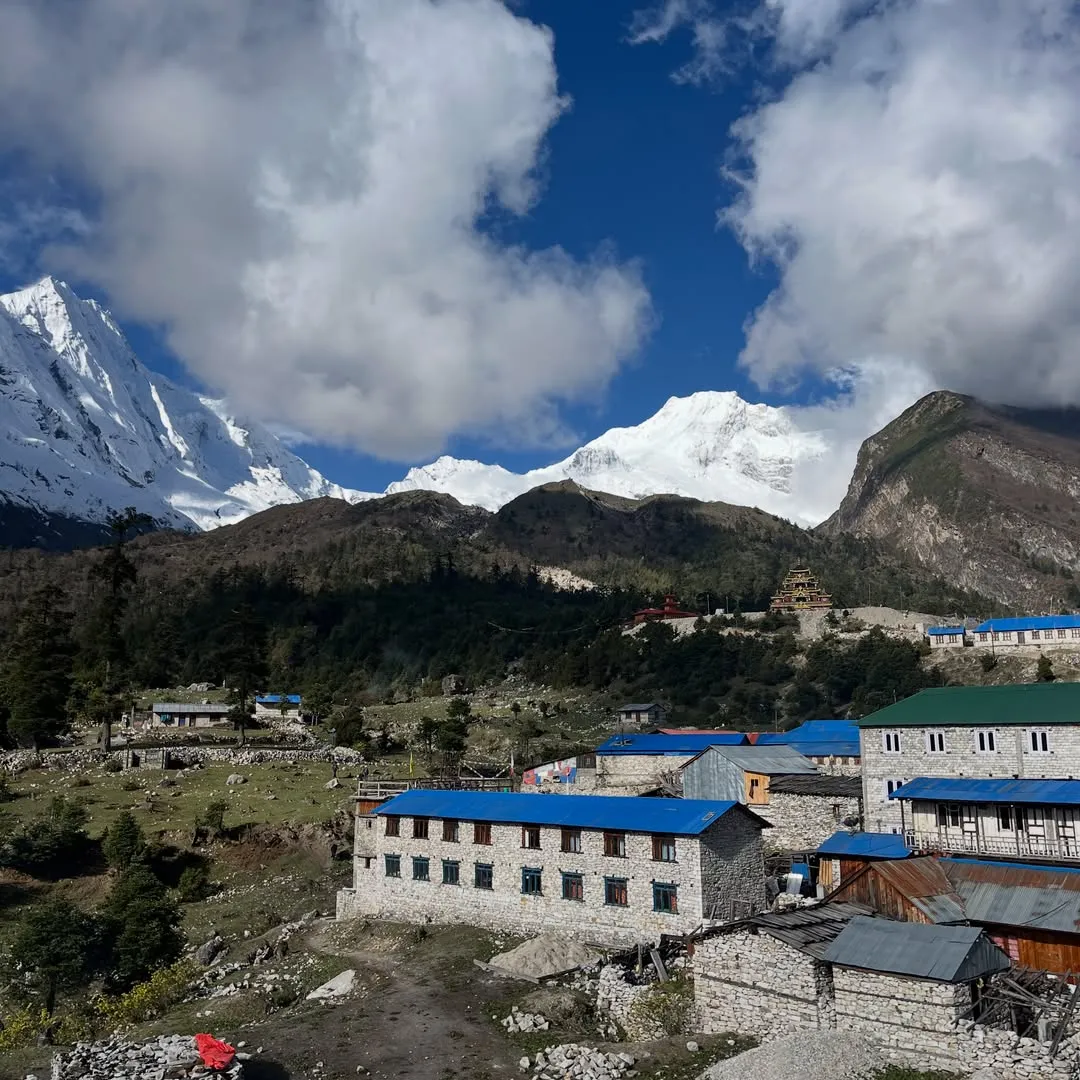
Manaslu-Familienwanderung – 12 Tage
Manaslu-Familienwanderung – 12 Tage
Manaslu-Luxus-Trek – 14 Tage
Manaslu-Luxus-Trek – 14 Tage

Manaslu-Fotografie-Trek – 17 Tage
Manaslu-Fotografie-Trek – 17 Tage
 English
 Deutsch
 Svenska
 Dansk
Dansk Русский
 Français
 Português
 Español
 Polski
 简体中文
简体中文 日本語
日本語 ไทย
ไทย العربية
 한국어
한국어