
hurtigt svar
Trekkers crossing Dolma La Pass at 5,638 m on the Kailash Mansarovar Yatra need a high level of aerobic fitness, equivalent to running 10 km in under 60 minutes or hiking 6 hours with a 10 kg pack at 3,000 m without breathlessness. Six to eight weeks of focused training, plus 10 acclimatisation days above 4,000 m before the pass day, are the minimum.
Detaljeret opdeling
The Kailash Mansarovar Yatra via the Humla route in Nepal runs 18 to 24 days and crosses Dolma La Pass on day 14 to 16. The pass day covers 14 km from Dirapuk at 5,210 m, up to Dolma La at 5,638 m, then down to Zuthulpuk at 4,790 m. That is 700 m of climbing and 1,100 m of descending at extreme altitude, with 30 to 50 percent less oxygen than at sea level.
The fitness requirement has three components. Aerobic capacity, measured as VO2 max above 45 ml per kg per minute for men and 38 for women, is the most important. Muscular endurance in legs and core, built by stair climbing with a 10 kg pack for 60 minutes three times a week, prevents fatigue on the 1,100 m descent. Mental tolerance for cold, wind, and 12 hour days at altitude is the third factor, often overlooked but critical above 5,000 m.
Omkostning/komponentopdeling
| bestanddel | detalje | koste USD |
|---|---|---|
| VO2 max lab test | Optional, sports clinic | $80 til $150 |
| Heart rate monitor | Chest strap, 8 week training | $50 til $120 |
| Stair climber gym access | 2 months pre trip | $60 til $120 |
| Personal trainer 6 sessions | Altitude trek programme | $240 til $420 |
| Hypoxic tent rental | 4 weeks pre acclimatisation | $600 til $1.200 |
| Acetazolamid kursus | 125 mg, 10 days | $15 til $30 |
| Full yatra package | 18 to 24 days ex Kathmandu | $3.800 til $5.800 |
Hvad påvirker svaret
Age and baseline fitness set the ceiling. Trekkers aged 50 to 65 with a resting heart rate below 65 bpm and a 10 km run time under 65 minutes typically complete the pass day. Trekkers under 50 with no running baseline need 8 to 12 weeks of training. Anyone with a BMI above 30, untreated hypertension, or sleep apnoea should consult a travel medicine doctor before booking.
Acclimatisation profile also matters. The standard Humla route gains altitude slowly from Simikot at 2,950 m to Taklakot at 3,900 m, then to Mansarovar at 4,590 m, with two rest days before the kora. Trekkers who fly to Lhasa and rush to Kailash in 6 days are 4 times more likely to fail at Dolma La, according to 2025 data from Nepali yatra operators.
Bookingtips
Book the yatra 4 to 6 months ahead through an operator registered with the Nepal Association of Tour Operators. Confirm the itinerary includes 2 rest days at Mansarovar and 1 rest day at Dirapuk before the pass crossing. Ask the operator to carry supplemental oxygen, a Gamow bag, and pulse oximeters. Sign up for a 12 week high altitude training plan with a coach who has guided passes above 5,400 m.
Sammenligning med alternativer
Compared with Everest Base Camp via Renjo La at 5,360 m, Dolma La is 280 m higher and the pass day is 4 km longer. Compared with Annapurna Circuit via Thorong La at 5,416 m, Dolma La is 222 m higher and has a longer summit day with rougher scree on the descent. Compared with the Three Passes Trek in Khumbu, Dolma La has less infrastructure, no helicopter rescue on the Tibet side, and a much longer drive to medical care.
Almindelige fejl at undgå
Trekkers often skip the Dirapuk acclimatisation day to save $200, then fail at the pass. A second mistake is training only on flat ground, which leaves legs unprepared for the 1,100 m descent. A third mistake is relying on acetazolamide alone, which aids acclimatisation but does not replace fitness. A fourth is underestimating cold, with pass day temperatures of minus 8 to minus 15 Celsius even in July.
FAQ
Can a moderately fit person cross Dolma La? Yes, with 8 to 12 weeks of focused training. Run or hike 4 hours a week at altitude if possible, climb stairs with a 10 kg pack, and complete a 2 day test trek above 4,000 m.
Hvilken puls skal jeg træne med? Train at 70 to 80 percent of maximum heart rate for aerobic sessions. For a 50 year old, that is 119 to 136 bpm. Add one weekly interval session at 85 to 90 percent.
How cold is the pass day? Expect minus 8 to minus 15 Celsius at the pass, with wind chill below minus 20. A four season down jacket, double boots, and windproof mittens are standard.
Is supplemental oxygen available? Quality operators carry 2 to 4 small oxygen cylinders and a Gamow bag. Confirm this in writing before booking, because Tibetan regulations vary year to year.
oversigt
Dolma La Pass at 5,638 m requires high aerobic fitness, 6 to 8 weeks of training, and at least 10 acclimatisation days above 4,000 m. The pass day covers 14 km with 700 m of climb and 1,100 m of descent at extreme altitude. Trekkers who skip acclimatisation or undertrain are the most likely to fail.
ende
Treat Dolma La as a high altitude mountaineering day, not a trek. Train for 8 to 12 weeks, choose an operator with oxygen and a Gamow bag, and build in acclimatisation at Mansarovar and Dirapuk. Trekkers who arrive fit and acclimatised complete the kora in 2027 to 2030 with manageable risk.
Anbefalede Trek-pakker
Trekking steder at udforske
Explore Trips in Nepal
Hand-picked guided trips to this destination
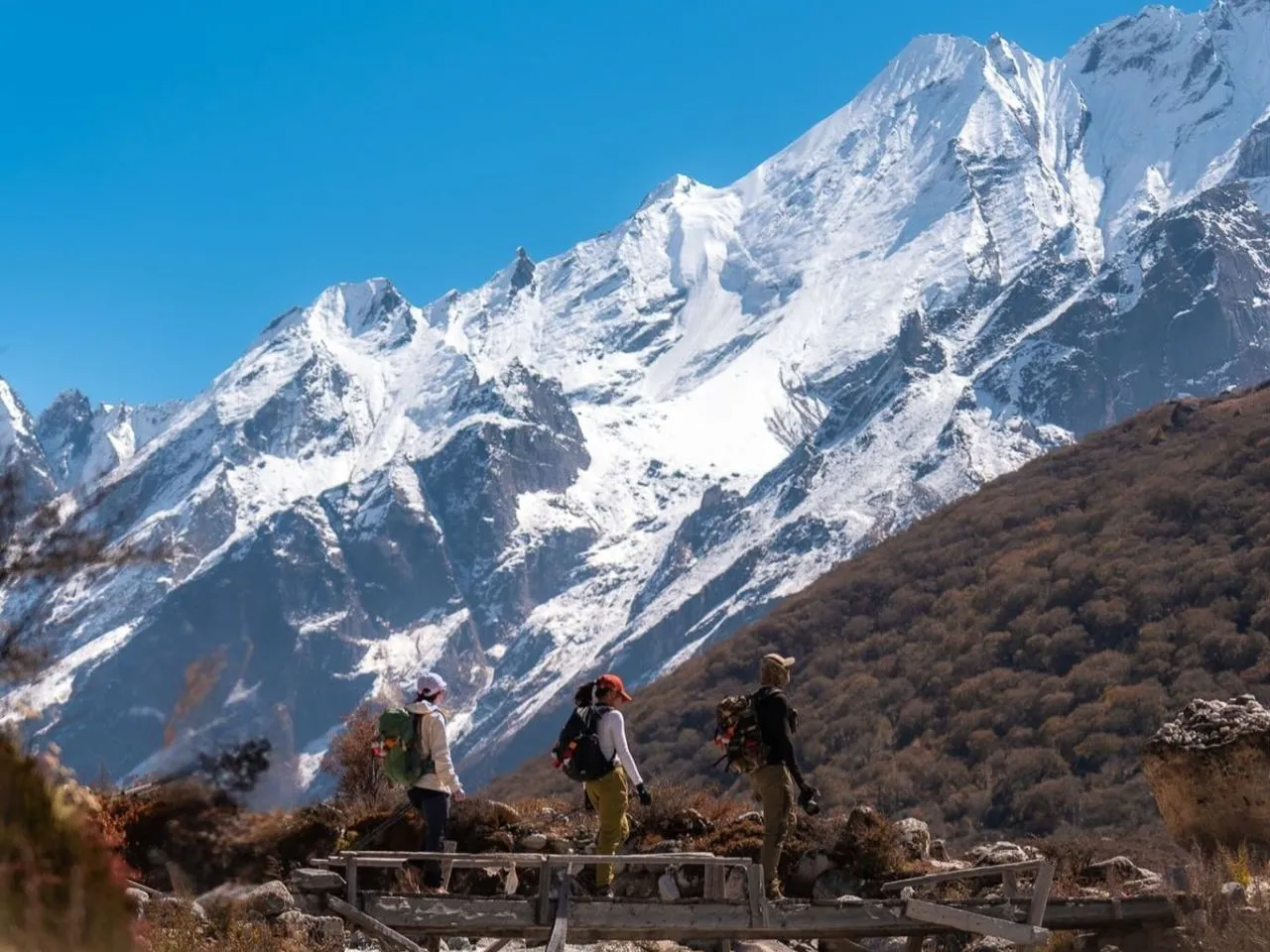
Langtang Luxury Trek – 10 dage
Langtang Luxury Trek – 10 dage
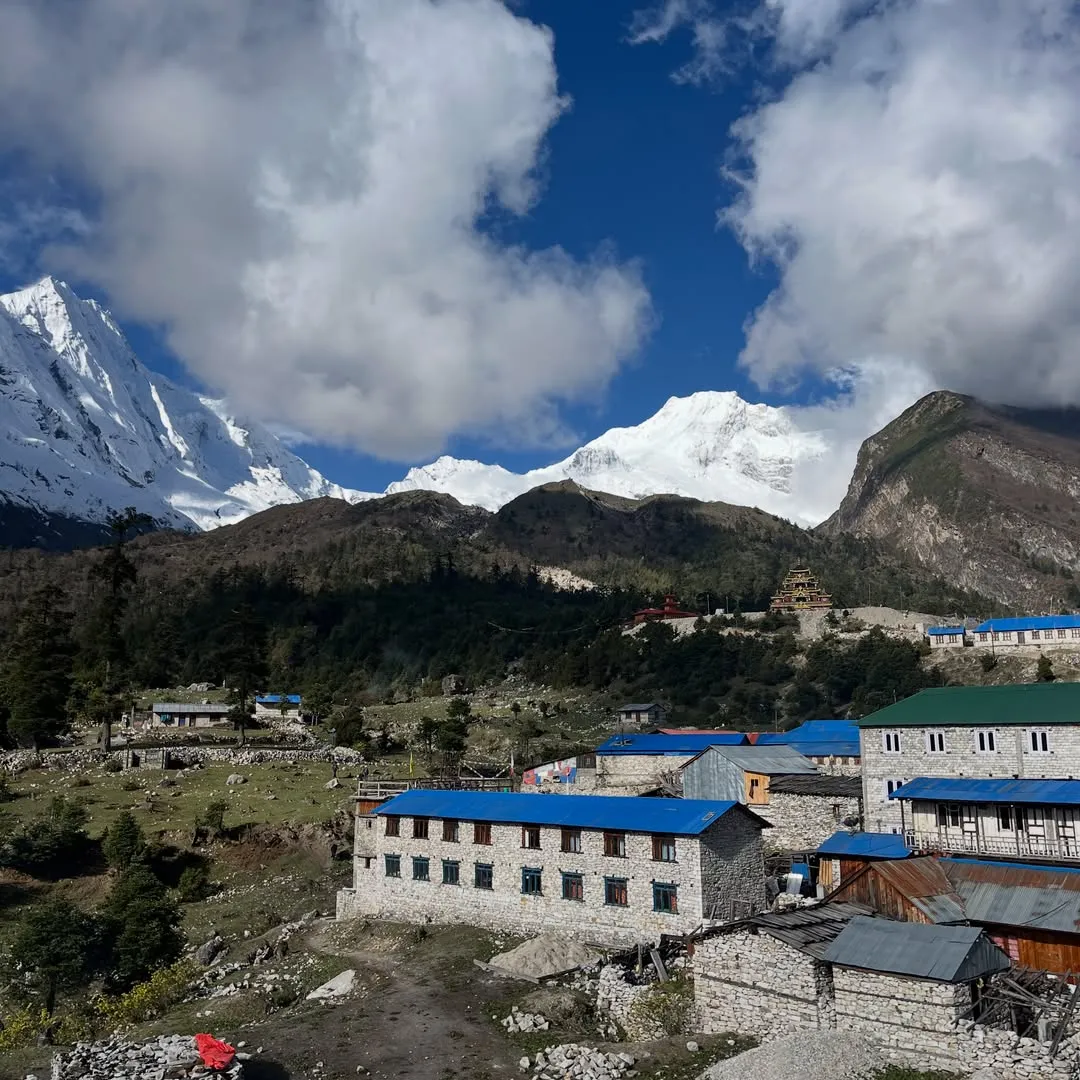
Manaslu Family Trek – 12 dage
Manaslu Family Trek – 12 dage
Manaslu Luxury Trek – 14 dage
Manaslu Luxury Trek – 14 dage

Manaslu Photography Trek – 17 dage
Manaslu Photography Trek – 17 dage
 English
 Deutsch
 Svenska
 Dansk
Dansk Русский
 Français
 Português
 Español
 Polski
 简体中文
简体中文 日本語
日本語 ไทย
ไทย العربية
 한국어
한국어