
hurtigt svar
A rushed Ama Dablam Base Camp Trek causes altitude sickness above 4,000 m, missed acclimatisation at Namche and Dingboche, fatigue on the climb to base camp at 4,600 m, and exposure to bad weather without buffer days. The minimum safe itinerary is 12 to 14 days from Lukla, with 2 acclimatisation days at Namche Bazaar and Dingboche, and 1 buffer day at the end. A 9 to 10 day rush itinerary has a 35 to 45 percent altitude sickness rate, versus 5 to 10 percent on a 14 day itinerary.
Detaljeret opdeling
The Ama Dablam Base Camp Trek starts at Lukla at 2,860 m, follows the Dudh Koshi valley to Namche Bazaar at 3,440 m, branches east at Pangboche, and climbs to Ama Dablam Base Camp at 4,600 m. The total altitude gain from Lukla to base camp is 1,740 m, and the safe ascent rate above 3,000 m is 300 to 500 m of sleeping altitude per day.
The standard 12 to 14 day itinerary includes 2 acclimatisation days: a rest day at Namche Bazaar on day 3, and a rest day at Dingboche at 4,410 m on day 6. These two days reduce altitude sickness risk from 35 to 45 percent to 5 to 10 percent.
A rushed 9 to 10 day itinerary skips one or both acclimatisation days and climbs 600 to 800 m of sleeping altitude on consecutive days. Trekkers reach Ama Dablam Base Camp at 4,600 m on day 7 or 8 instead of day 9 or 10. The body has not produced enough red blood cells to carry oxygen at that altitude, and symptoms of acute mountain sickness appear: headache, nausea, loss of appetite, and shortness of breath.
Omkostning/komponentopdeling
The table below shows the cost and risk comparison between a 10 day rush itinerary and a 14 day safe itinerary for the Ama Dablam Base Camp Trek in 2027 to 2030.
| bestanddel | 10 Day Rush | 14 Day Safe |
|---|---|---|
| Kathmandu to Lukla RT flight | $180 til $210 | $180 til $210 |
| Guide for trek | $25 til $35 pr. dag | $25 til $35 pr. dag |
| Porter for trek | $18 til $22 pr. dag | $18 til $22 pr. dag |
| Tea house lodging and food | $30 til $40 pr. dag | $30 til $40 pr. dag |
| Sagarmatha National Park tilladelse | $30 | $30 |
| Khumbu Rural Municipality Permit | $20 | $20 |
| Tims kort | $20 | $20 |
| risiko for højdesyge | 35 to 45 percent | 5 til 10 procent |
| Helicopter evacuation risk | 8 to 12 percent | 1 to 3 percent |
| I alt pr. person | $1.200 til $1.700 | $1.500 til $2.100 |
Hvad påvirker svaret
Prior altitude exposure is the dominant factor. Trekkers who have already slept above 4,000 m tolerate a faster ascent better. Age matters: trekkers over 50 have a higher altitude sickness rate. Fitness does not protect against altitude sickness and can mask early symptoms. Season matters: October has the most stable weather, allowing tighter schedules. Trekker honesty about symptoms matters most of all: denial leads to evacuation.
Bookingtips
Book 6 to 10 weeks ahead with a Kathmandu operator that runs 12 to 14 day itineraries, not 9 to 10 day rush versions. Ask for the day by day itinerary in writing and confirm 2 acclimatisation days at Namche and Dingboche. Carry Diamox 250 mg tablets and start taking them at Namche. Buy helicopter evacuation insurance that covers up to USD 10,000. Carry a SAT phone or rent one from the operator for emergency calls above Namche.
Sammenligning med alternativer
The Everest Base Camp Trek is longer at 12 to 14 days and reaches 5,364 m, requiring the same acclimatisation discipline. The Three Passes Trek is 18 to 21 days and is too long to rush safely. The Gokyo Lakes Trek is 12 to 14 days and reaches 5,357 m at Gokyo Ri. The Pikey Peak Trek is shorter at 6 to 8 days and reaches 4,065 m, with lower altitude sickness risk. For trekkers with limited time, Pikey Peak is the safer choice.
Almindelige fejl at undgå
Choosing a 9 to 10 day itinerary to save USD 300 is the most serious mistake. The cost of a helicopter evacuation at USD 3,000 to USD 5,000 is 10 times the saving. Skipping acclimatisation days to fit a fixed international flight is the second. Ignoring early symptoms of headache and nausea is the third: these progress to life threatening high altitude cerebral edema within 12 hours. Not buying helicopter evacuation insurance is the fourth.
FAQ
What happens if I rush the Ama Dablam Base Camp Trek? Altitude sickness above 4,000 m, fatigue, missed views due to illness, and a 8 to 12 percent chance of helicopter evacuation. The risk is 35 to 45 percent on a 10 day rush itinerary.
What is the minimum safe Ama Dablam Base Camp itinerary? 12 days from Lukla, with 2 acclimatisation days at Namche and Dingboche. 14 days is safer and adds a buffer day for weather delays.
Does fitness protect against altitude sickness? No. Fitness helps with fatigue but does not change red blood cell production at altitude. The dominant factor is ascent rate and acclimatisation days.
How much does a helicopter evacuation cost? USD 3,000 to USD 5,000 from Ama Dablam Base Camp to Kathmandu. Buy insurance that covers up to USD 10,000 in evacuation costs.
oversigt
A rushed Ama Dablam Base Camp Trek causes altitude sickness, fatigue, missed views, and a 8 to 12 percent helicopter evacuation risk. Plan 12 to 14 days minimum with 2 acclimatisation days and 1 buffer day. The risk drops to 5 to 10 percent.
ende
Trekkers planning the Ama Dablam Base Camp Trek should commit to a 12 to 14 day itinerary with 2 acclimatisation days at Namche and Dingboche. The cost of an extra 2 to 4 days is USD 200 to USD 400, far less than the USD 3,000 to USD 5,000 cost of a helicopter evacuation. Buy evacuation insurance, carry Diamox, and listen to early symptoms.
Anbefalede Trek-pakker
Trekking steder at udforske
Explore Trips in Nepal
Hand-picked guided trips to this destination
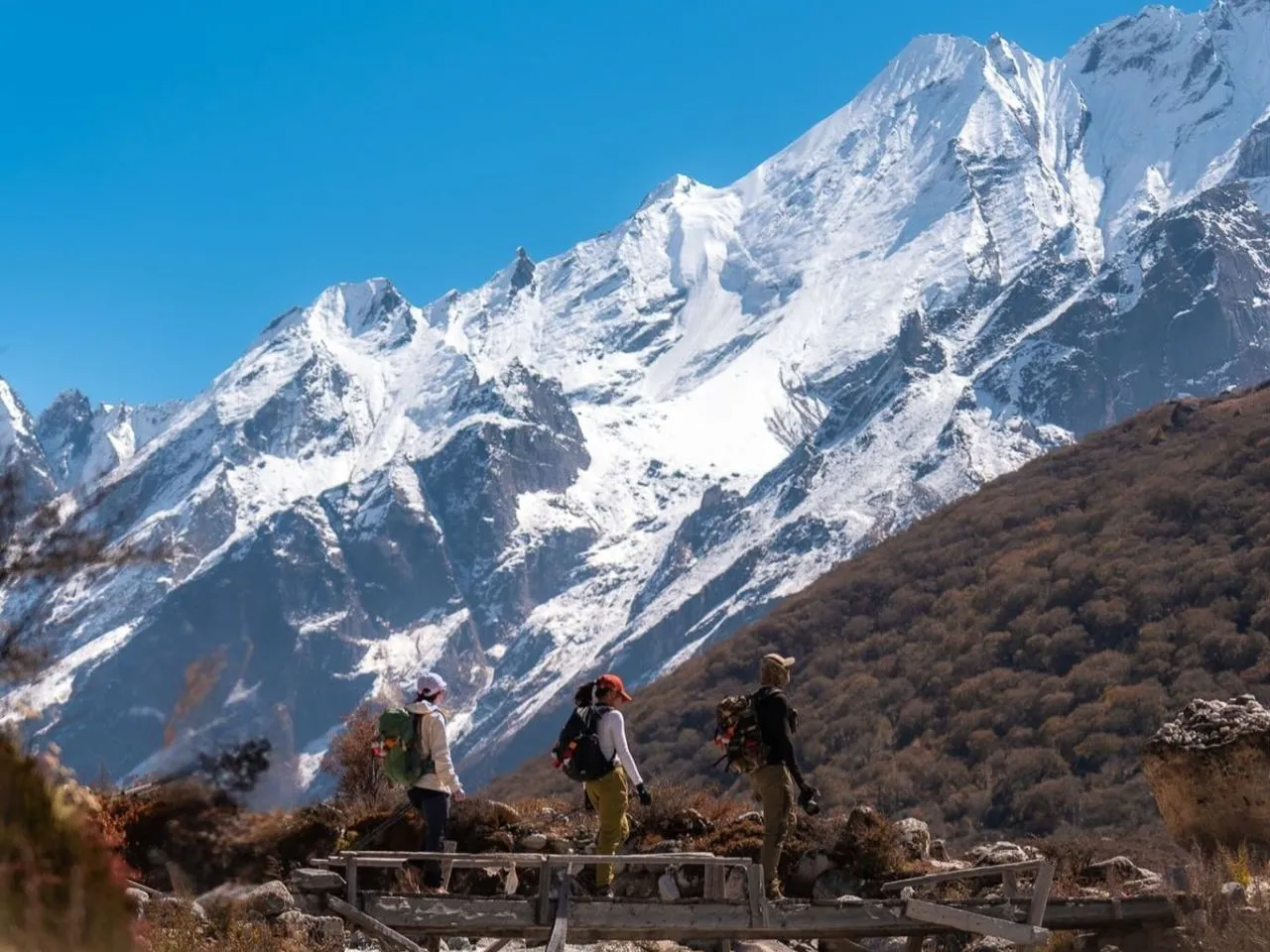
Langtang Luxury Trek – 10 dage
Langtang Luxury Trek – 10 dage
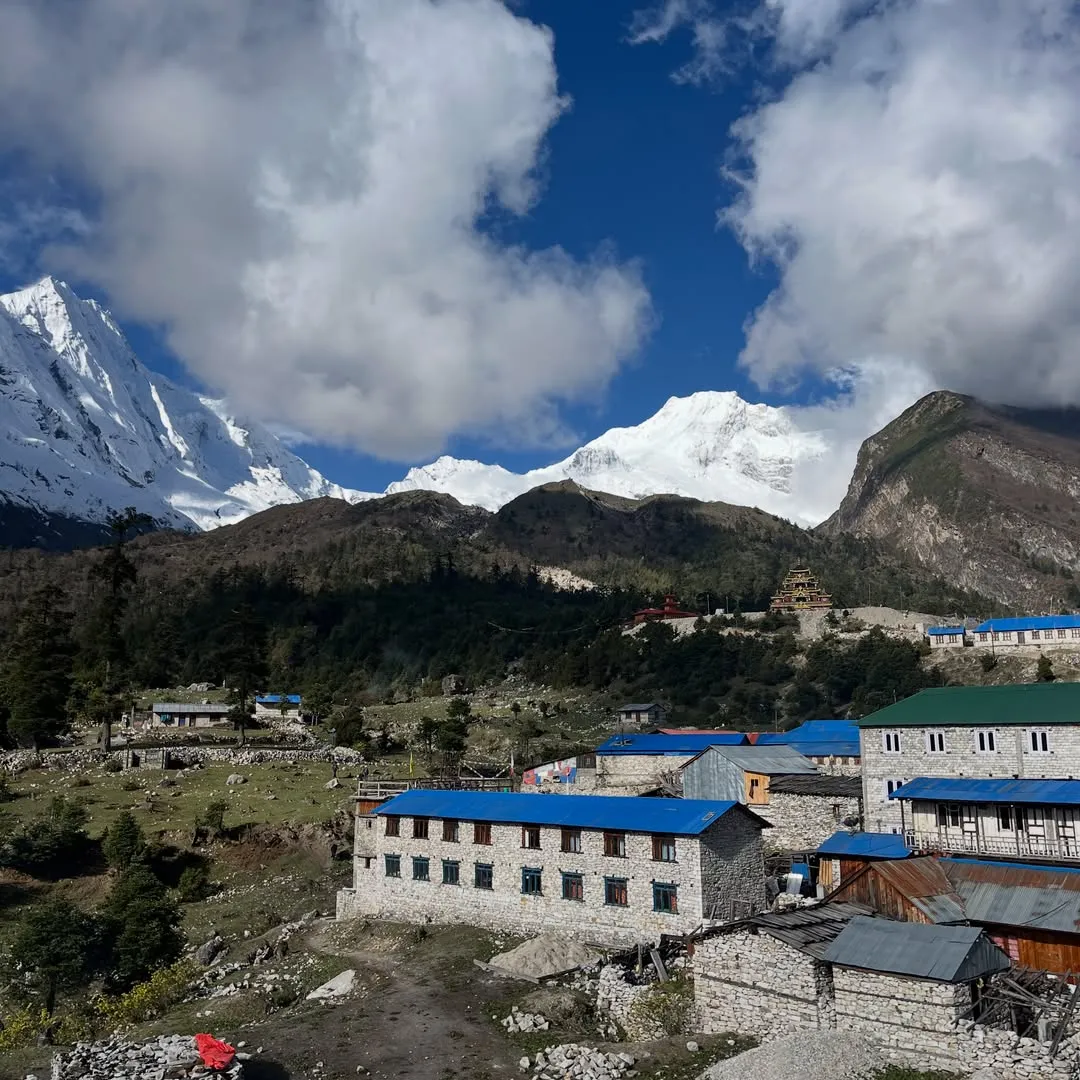
Manaslu Family Trek – 12 dage
Manaslu Family Trek – 12 dage
Manaslu Luxury Trek – 14 dage
Manaslu Luxury Trek – 14 dage

Manaslu Photography Trek – 17 dage
Manaslu Photography Trek – 17 dage
 English
 Deutsch
 Svenska
 Dansk
Dansk Русский
 Français
 Português
 Español
 Polski
 简体中文
简体中文 日本語
日本語 ไทย
ไทย العربية
 한국어
한국어